• Riverside Drive, directed by Marc de Fontnouvelle

    Riverside Drive, directed by Marc de Fontnouvelle

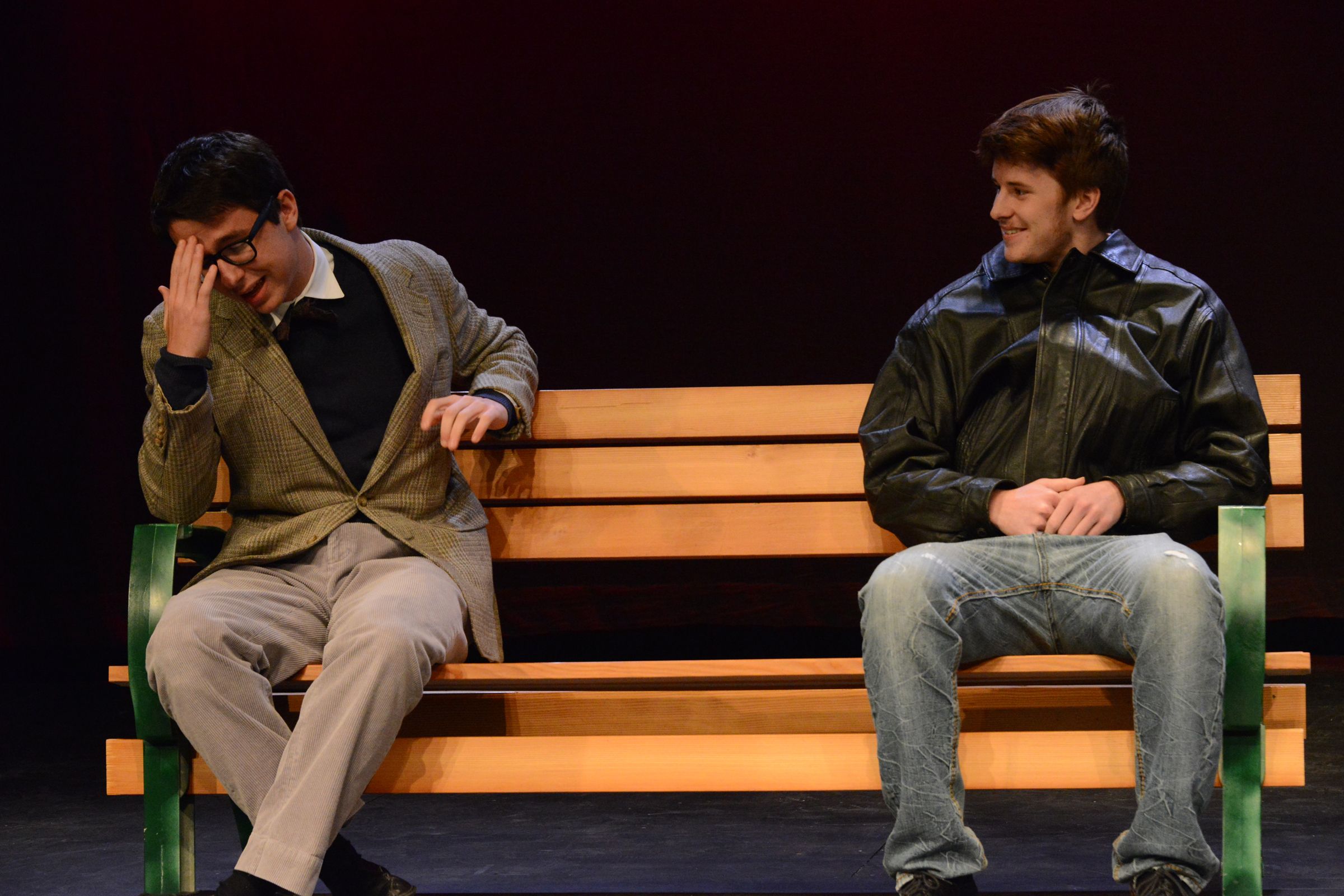
    This year’s student production, Woody Allen’s Riverside Drive, drew a crowd to the Smith Theater stage on Saturday, 27 January.


    Directed by Class I’s Marc de Fontnouvelle, the one-act comedy pits the two halves of a writer’s psyche against each other. Jim, a successful but bland young writer, is waiting for his mistress when Fred, a creative genius who has gone insane, engages him in an absurd conversation. Jim reveals that he is intending to end his affair, but is blackmailed by his mistress when he tries to do so. He and Fred then engage in a battle of wits and morals as they struggle to solve the issue.


    The cast of four included seniors Reis White, Quinn Ebben, Jack Golden, and Katie Tsai (a junior from Winsor). Senior Andrew Gray was director of tech and set.


    Upperclassmen were invited to a catered dinner in the Refectory prior to the show.See photos of the production here.

  • Dr. Richard Prum on Aesthetic Evolution

    Dr. Richard Prum on Aesthetic Evolution

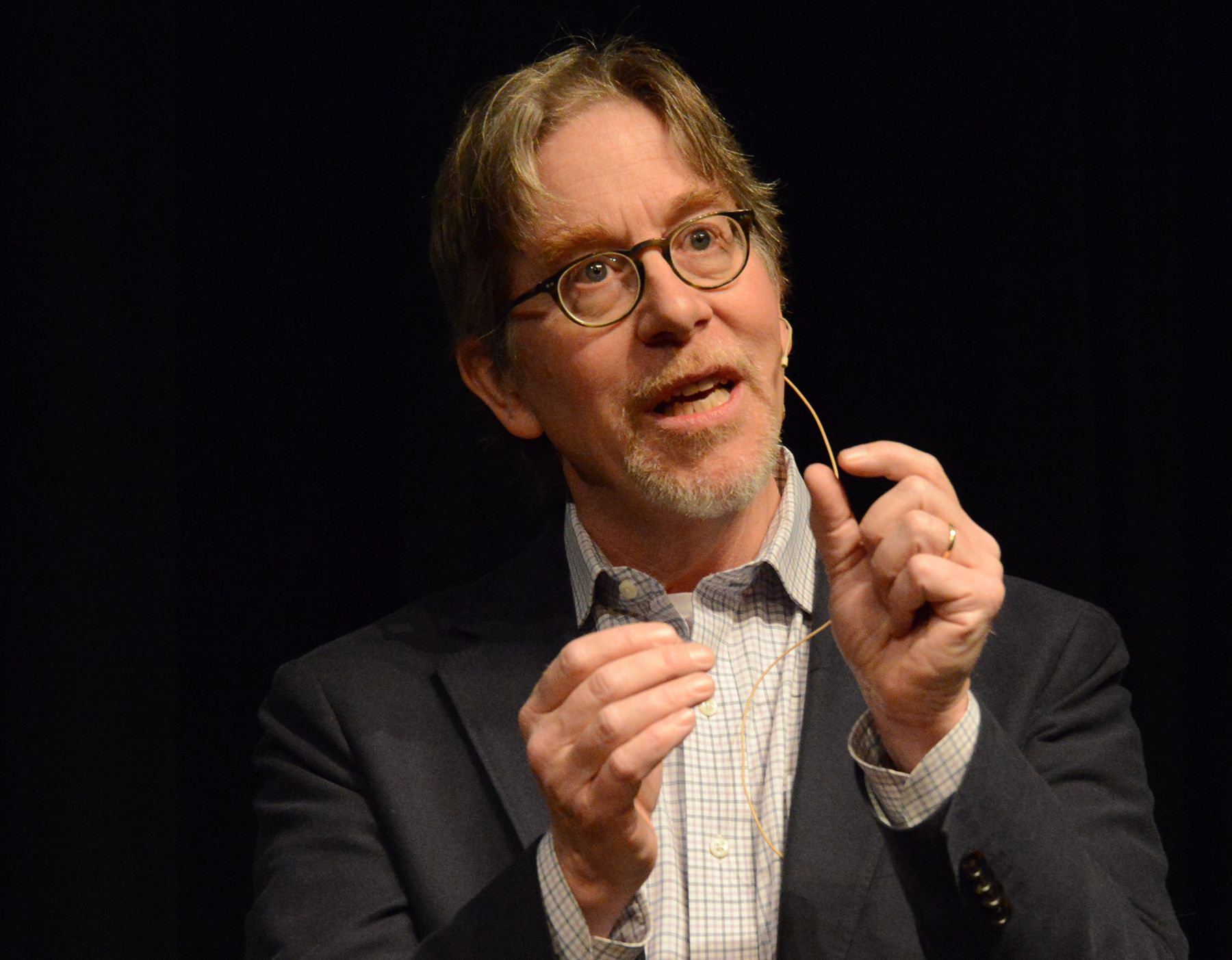
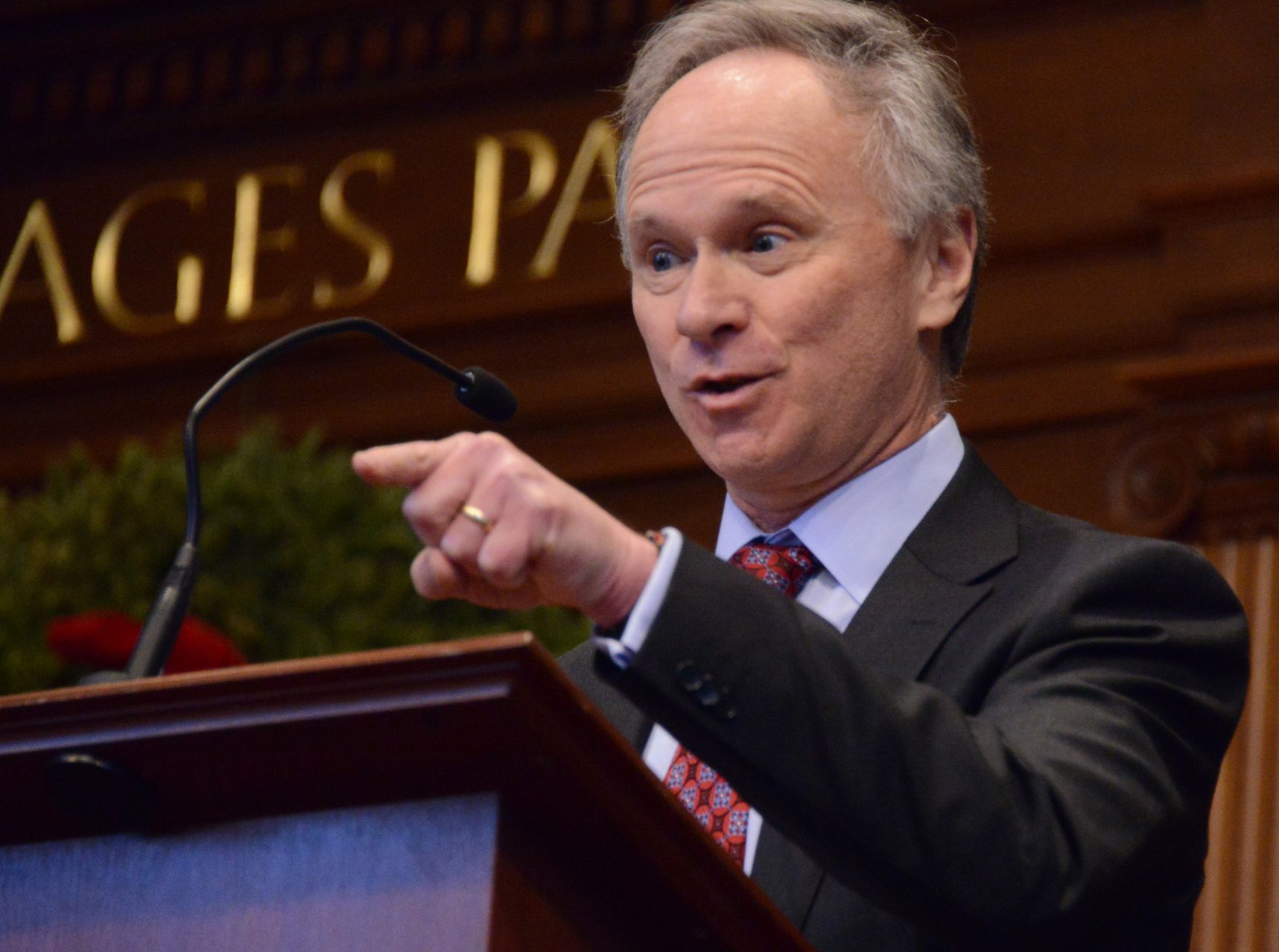
    Yale University ornithologist Dr. Richard Prum experiences his field as an interdisciplinary program. His research on the development and evolution of feathers, the physics and evolution of structural coloration, and the phylogenetic ethology of polygynous birds breaches the seemingly unrelated fields of physics, evolution, culture, game theory. Dr. Prum asks bold questions, challenges conventional thinking, and—as the New York Times reported—he has, more than once, found himself “on the winning side of initially unpopular ideas.”


    On 1 February, Dr. Prum gave a presentation on aesthetic evolution. His work largely reevaluates Darwin’s theory of natural selection; in fact, his research has led him to support a theory put forward in 1915 by the eminent English biologist Ronald A. Fisher: that females prefer some male traits not because they might promote survival of future offspring, but simply because they’re attractive.


    “Maybe beauty is not only skin deep,” he said, and offered the example of the club-winged manakin, a tropical bird of Central and South America. The male “sings”—and attracts its mate—through the rapid oscillation of its wings. While birds normally have hollow wing bones, the manakin has evolved solid wing bones, allowing them to produce this singing sound. The females have the same solid wing bones, but because the bones are formed in the embryo before the sex is determined, she doesn’t use them to sing like the male. In fact, these wing bones actually make flying more difficult. “This as an indication that sexual selection can produce a kind of decadence, in which individuals become worse at their survival even as they’re more pleasing to each other,” he said. Natural selection makes sense in a lot of contexts, but when it comes to desire and attraction, many selections are simply arbitrary. It’s not about what makes the animals fly better or run faster, it’s about what the animal itself subjectively enjoys. He sees such aesthetic choices as driving a gradual “aesthetic remodeling”—an evolutionary reshaping of mating behavior, and even of male social behavior more widely, by the pressure of female preference.


    Dr. Prum’s recent book, The Evolution of Beauty: How Darwin’s Forgotten Theory of Mate Choice Shapes the Animal World—and Us, was named a best book of the year by the New York Times, Smithsonian, and the Wall Street Journal.


    The William Robertson Coe Professor of Ornithology, Ecology, and Evolutionary Biology at Yale, Dr. Prum earned his degree in biology at Harvard and his doctorate at the University of Michigan. He was named a Fulbright Scholar and a Guggenheim Fellow, and in 2009 he received the MacArthur prize. Dr. Prum teaches undergraduate ornithology and graduate seminars in macroevolution.

  • Best Rock Album Grammy for Adam Granduciel ’97 and The War on Drugs

    Best Rock Album Grammy for Adam Granduciel ’97 and The War on Drugs

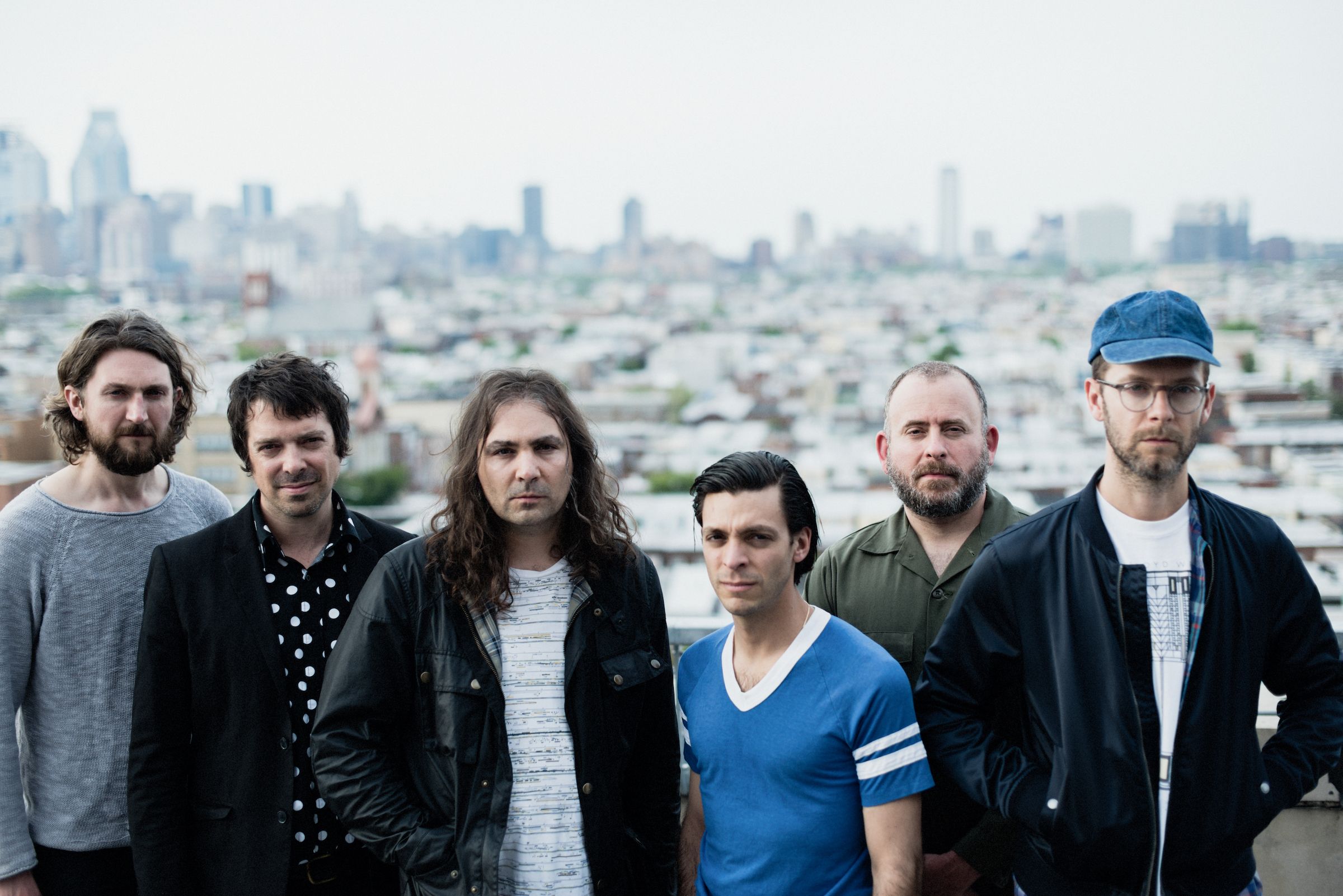
    Adam Granduciel ’97 and his band, The War on Drugs, joined an elite group of rockers over the weekend, when the 2018 Grammy Award winners were announced. The War on Drugs’ album A Deeper Understanding was named Best Rock Album of the Year, an honor held in past years by music legends such as The Rolling Stones, Green Day, U2, Led Zeppelin, Coldplay, and Bruce Springsteen.


    This year, the category’s fellow nominees included Queens of the Stone Age, Metallica, Mastodon, and Nothing More. It was the first Grammy nomination for The War on Drugs, the Philadelphia-based, six-man band. The group is currently touring in the southern hemisphere through February, when they return to the United States to play festivals through the spring and summer, including Coachella in April and Xponential Fest in July.

  • Home Team Success, and Dedication of the Hennessy Rink

    Home Team Success, and Dedication of the Hennessy Rink

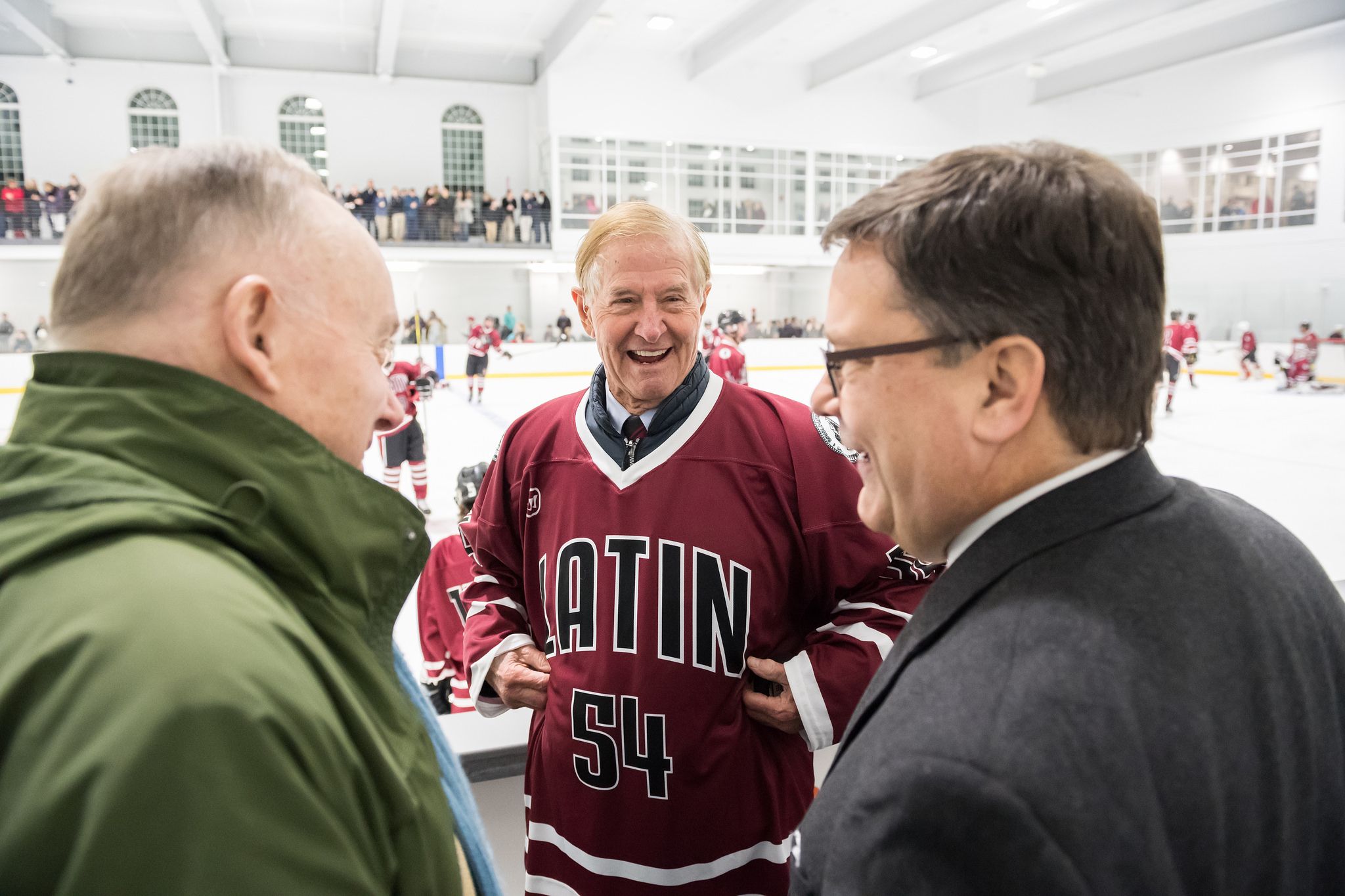
    On Friday, 26 January, the mats, courts and rink of Roxbury Latin were abuzz with healthy competition and RL spirit. On an historic evening, three varsity contests were complemented by the dedication of the Hennessy Rink, named in honor of Jack Hennessy ’54 and his wife, Margarita.


    Cheered on by fans of all ages during Winter Family Day, varsity wrestling came out victorious over Nobles, 48-25. Varsity hockey, taking the ice against Groton, tied 4-4 in an exciting game. Meanwhile, junior varsity basketball went into double overtime against Nobles, ultimately falling short by one point, 52-53. Finally, varsity basketball topped Nobles 44-42.


    Central to the evening’s celebration was the Hennessy Rink dedication ceremony, which drew boys and their families; faculty and staff; RL alumni from more than six decades; and honored guests including several members of the Hennessy family, former Headmaster Tony Jarvis, and both the former and current board presidents, Dennis Kanin ’64 and Bob O’Connor ’85.


    Headmaster Kerry Brennan emceed the ceremony, offering a brief history of RL hockey, and chronicling the school’s “rinks” of the past: “In 1934, hockey-playing boys—who to that point played the rare pick-up game on some local pond—would get a hockey rink…of a sort. Cobbled together by two-inch pipe, volunteer post-diggers, and old track used for boards, a ramshackle outdoor rink served Roxbury Latin’s hockey team on what became the football practice field and is, in fact, the very site we occupy this evening.”


    On an evening honoring and thanking Jack and Margarita Hennessy—two of Roxbury Latin’s most generous benefactors—Mr. Brennan described “the boy whom many thought to be the School’s best athlete [of the time], Jack Hennessy. In Jack’s senior year there were not enough boys to form a hockey team. Despite the precarious nature of this sport then, the lessons of competition, fair play, and leadership resonated powerfully in young Jack’s noggin’ and he would go on to apply this knowledge to a life of commerce, service, and philanthropy.”


    Following remarks from Mr. Hennessy himself, hockey co-captains Jimmy Duffy and Zach Milton presented him with an RL hockey jersey featuring the name Hennessy over the number 54. “At Roxbury Latin, we’re always taught to play for the name on the front of the jersey,” began Zach, “but today, Mr. Hennessy, we play in honor of the name on the back of yours.”


    Headmaster Brennan referenced the Hennessys’ ongoing support of various programs—like the Hennessy Scholars, who for fourteen years have represented RL for a gap year at England’s Eton College; the annual Jarvis Lecture, which has brought to the School distinguished speakers on world affairs; the boys and faculty who have experienced the world through the Hennessys’ support of travel abroad; and the boys on financial aid who are sponsored as Hennessy Scholars. “The Hennessys have made Jack’s school appreciably better thanks to their gifts,” continued Mr. Brennan, “but I have a hunch that their benefaction of this rink may be the most enduring monument to RL’s inveterate spirit and the loyalty and generosity of its alumni.”


    View photos from the dedication ceremony and varsity contests here.

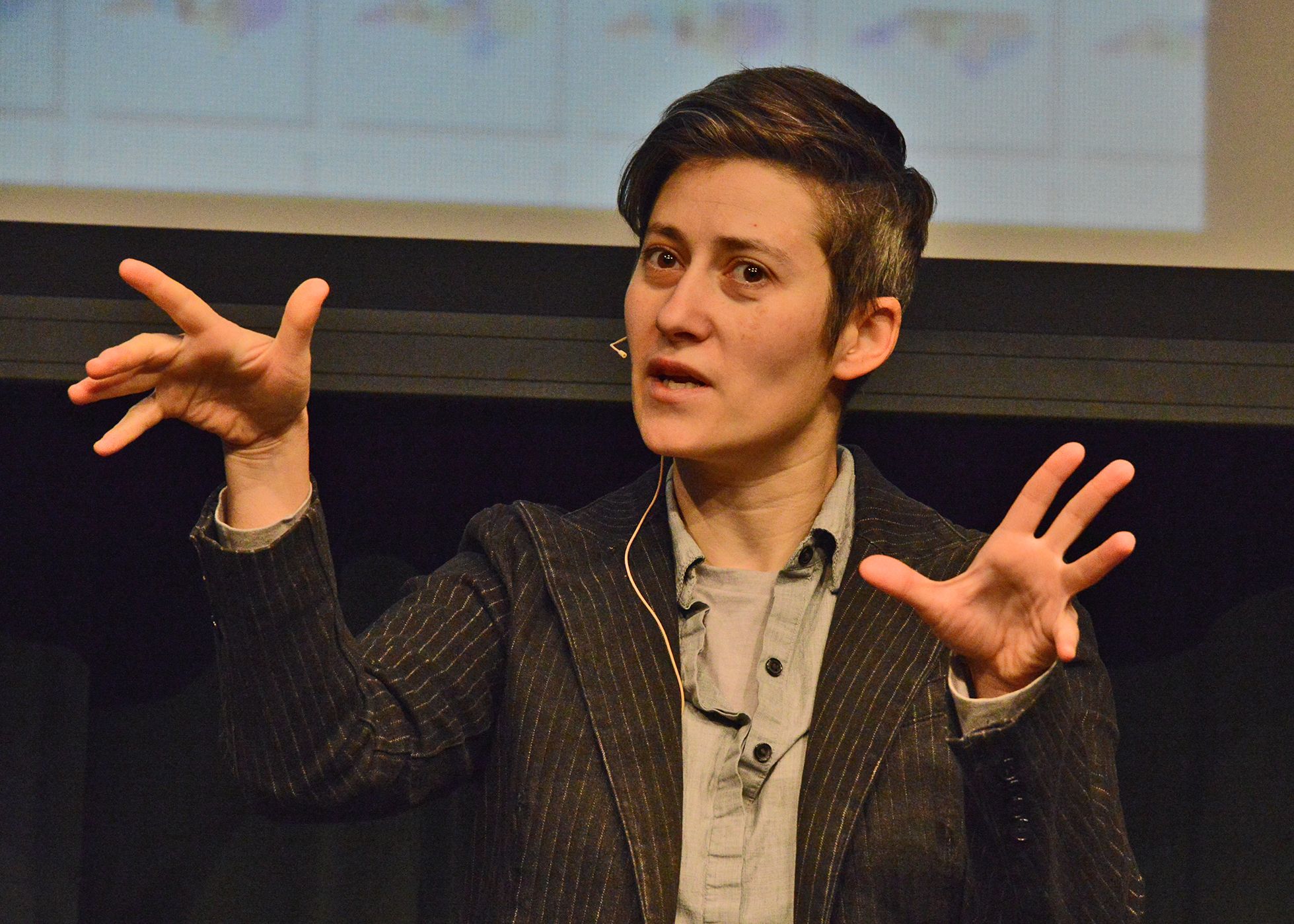
  • Metric Geometry and Gerrymandering: Prof. Moon Duchin

    Metric Geometry and Gerrymandering: Prof. Moon Duchin

    Earlier this month, a panel of federal judges—for the first time—blocked a congressional redistricting map because they believed North Carolina lawmakers had drawn the map seeking political advantage. On 25 January, the school heard from Professor Moon Duchin on the subject of gerrymandering (the practice of manipulating the shape of electoral districts to benefit a specific party, which is widely seen as a major contributor to government dysfunction) and the work of The Metric Geometry and Gerrymandering Group, which studies applications of geometry and computing to U.S. redistricting. Part of that work is training scholars from a variety of quantitative backgrounds to serve as expert witnesses and consultants in redistricting cases. Her goal is to harness computing power to generate massive numbers of maps that describe fair districts.

    Moon Duchin is an associate professor of math and director of the Science, Technology and Society program at Tufts. She realized last year that some of her research about metric geometry could be applied to the problem of gerrymandering. Professor Duchin majored in mathematics and women’s studies at Harvard and earned her doctorate in mathematics at University of Chicago. At Tufts her research focuses on geometric group theory and topology, with tools from dynamics. She combines her mathematical background and expertise with interest and application in history, philosophy, culture of science, and civil rights. She has worked and lectured not only on geometry and discrete math, but also on topics such as the role of intuition and the nature and impact of ideas about genius.

    After Hall Prof. Duchin discussed her topic further with interested students, and then joined John Lieb’s Advanced Math Topics class.

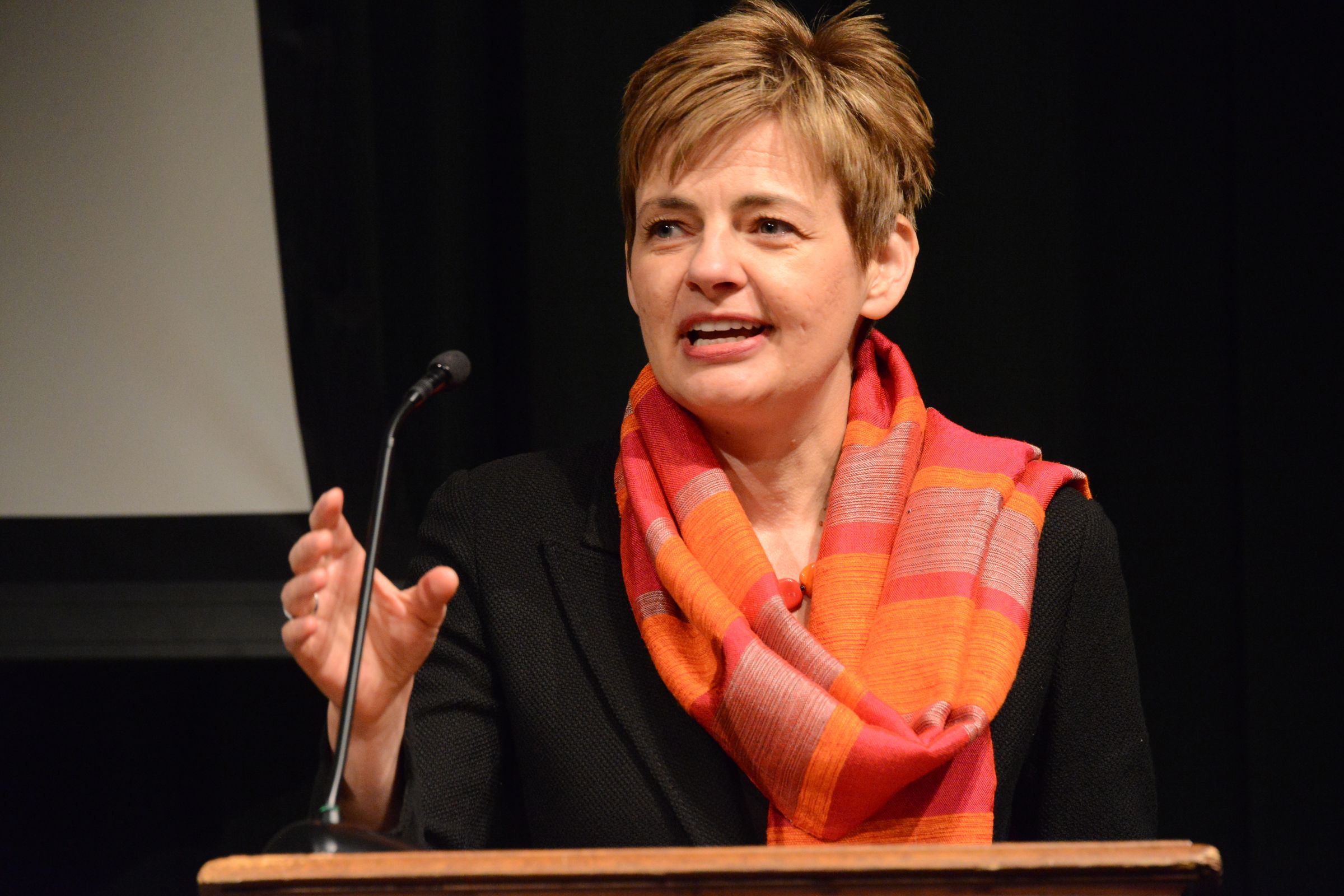
  • Dr. Maria Ivanova on Climate Change after Paris

    Dr. Maria Ivanova on Climate Change after Paris

    On Friday morning, 19 January, Dr. Maria Ivanova spoke to the school on the international dimensions of climate change in the wake of the Paris Agreement and how countries are working together to develop policy that will support net zero emissions by 2050. An international relations and environmental policy scholar, Dr. Ivanova has worked closely with national governments and with the United Nations to bring analytic rigor to deliberations about a range of global environmental issues, including climate change.


    Dr. Ivanova focused her discussion on just how the Paris Agreement was a game changer in the international response to climate change, pointing to several factors. One was a confluence between science, economics, and politics: rather than arguing over which countries were more responsible, the question became how do we act together. Of critical importance was a change in the narrative from one of sacrifice to one of opportunity, a vision promoted by the leadership, in particular UNFCCC Executive Secretary Christiana Figueres. Since the US recently pulled out of the agreement, the action has shifted to cities and communities, to companies, and school campuses. Meanwhile, China has stepped up significantly to ensure these commitments are going to be honored.


    A native of Bulgaria, Dr. Ivanova attended Holyoke College and subsequently earned advanced degrees in environmental studies and international relations from Yale. She teaches in the McCormack Graduate School for Policy and Global Studies at UMass Boston, serving as co-director of the Center for Governance and Sustainability and as Director of the Global Environmental Governance Project. In 2013, UN Secretary-General Ban-Kim Moon appointed Dr. Ivanova to his 26-member Scientific Advisory Board, and in 2015 she was awarded an Andrew Carnegie Fellowship to support her pioneering research on international environmental governance.


    Dr. Ivanova’s visit wraps up this year’s Smith Scholar Series, which included lectures by Dr. Michael McElroy, Dr. Anthony Leiserowitz, and the Hon. Gina McCarthy. Their visits were made possible through the Robert P. Smith ’58 International Fellowship.

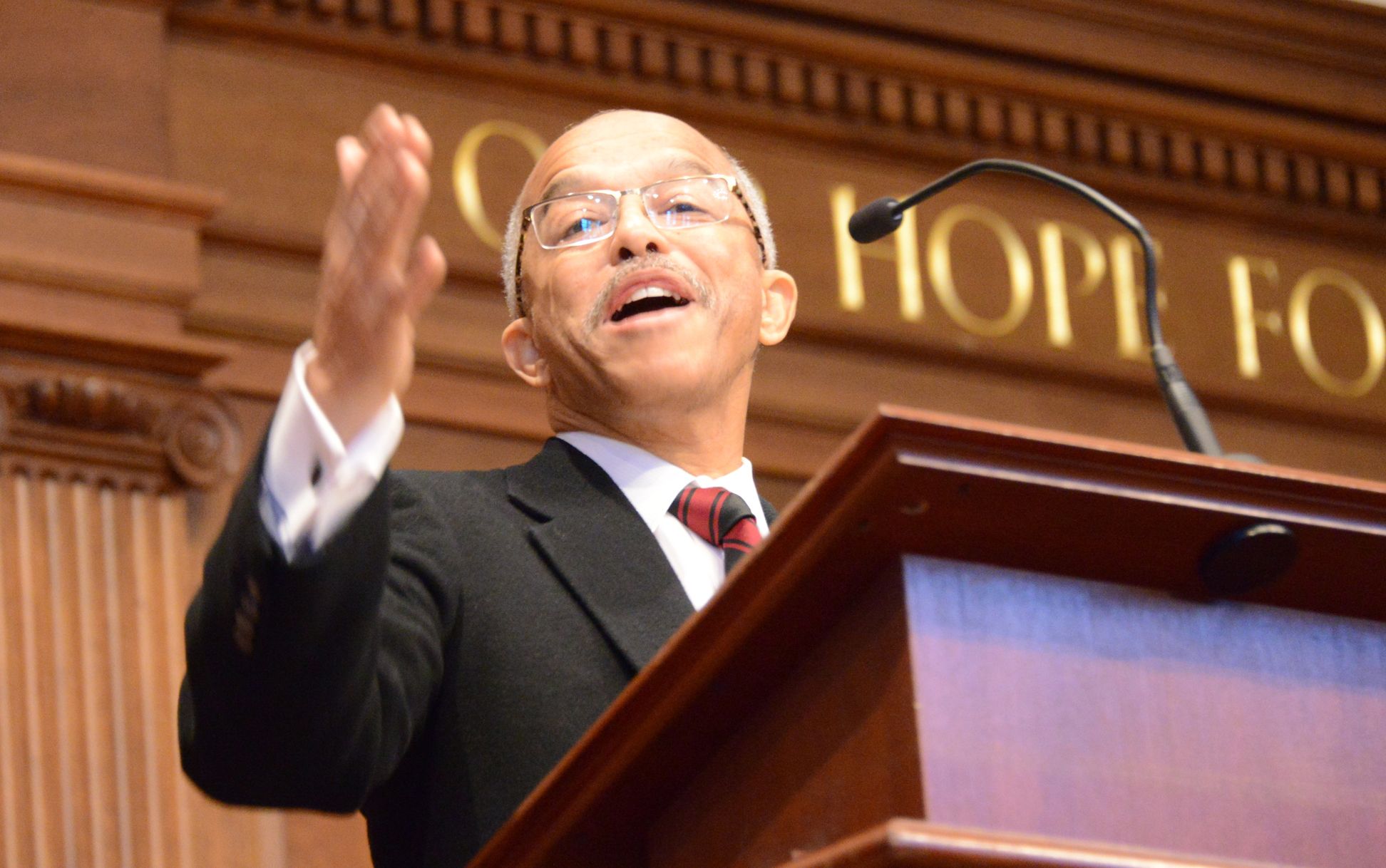
  • Dr. Alvin Powell ’74 gives MLK Hall address

    Dr. Alvin Powell ’74 gives MLK Hall address

    Every summer, Dr. Alvin Powell’s family drove from Boston to Alabama to visit relatives. He recalled the games, singing, and conversations the family of ten enjoyed to pass the hours on the road. For meals they stopped to eat the sandwiches his mother had packed. They used the “facilities” on the side of the road—behind the bushes—girls first, then boys. They pulled into truckstops overnight, sleeping in the car. As a boy, Dr. Powell loved these trips, and thought everyone traveled this way. It wasn’t until he was older that he realized that because they were traveling into the southern United States, they brought food along because they could not go into the restaurants to eat; they used the shelter of the bushes for a restroom because they couldn’t use the public restroom facilities; they slept in the car because they were not allowed to pay for and sleep in a motel. He realized that his parents were protecting them from the indignity associated with legalized racial segregation and discrimination in America.


    Dr. Powell was one of the first students of color at RL. He is now is a distinguished nephrologist and internal medicine physician in Greensboro, North Carolina. He returned to Roxbury Latin on 11 January to deliver the Martin Luther King commemoration Hall address.


    With the historical backdrop of the memory of Dr. Martin Luther King Jr., Dr. Powell personalized a brief history of segregation and discrimination as it related to his family, his education, and his profession of medicine—including redlining and busing in Boston in the ’60s and ’70s; taunts and racial slurs in West Roxbury streets; and, ultimately, the desegregation of hospitals in the South. In 1965, three years before entering RL as a sixie, Dr. Powell remembers holding hands and singing songs as he and his family joined their neighbors in Dr. King’s Freedom March from Dudley Station to the Boston Common.


    Affiliated with Moses H. Cone Memorial Hospital, Dr. Powell grew up in Roxbury and earned his bachelor’s degree from Columbia and his medical degree from Tufts. In 1982, Dr. Powell received a Henry J. Kaiser National Merit Award, given nationally to minority graduate students who demonstrated exceptional academic achievement. He has served in various leadership capacities in his field, both clinical and managerial. For 28 years he was a partner with Carolina Kidney Associates in Greensboro. He worked for the National Health Service Corp in Ft. Pierce, Florida, and one of his great passions is embarking on medical mission trips to Haiti and Honduras. He recently finished a project commemorating a historic, 1963 landmark lawsuit decision responsible for desegregating US hospitals.

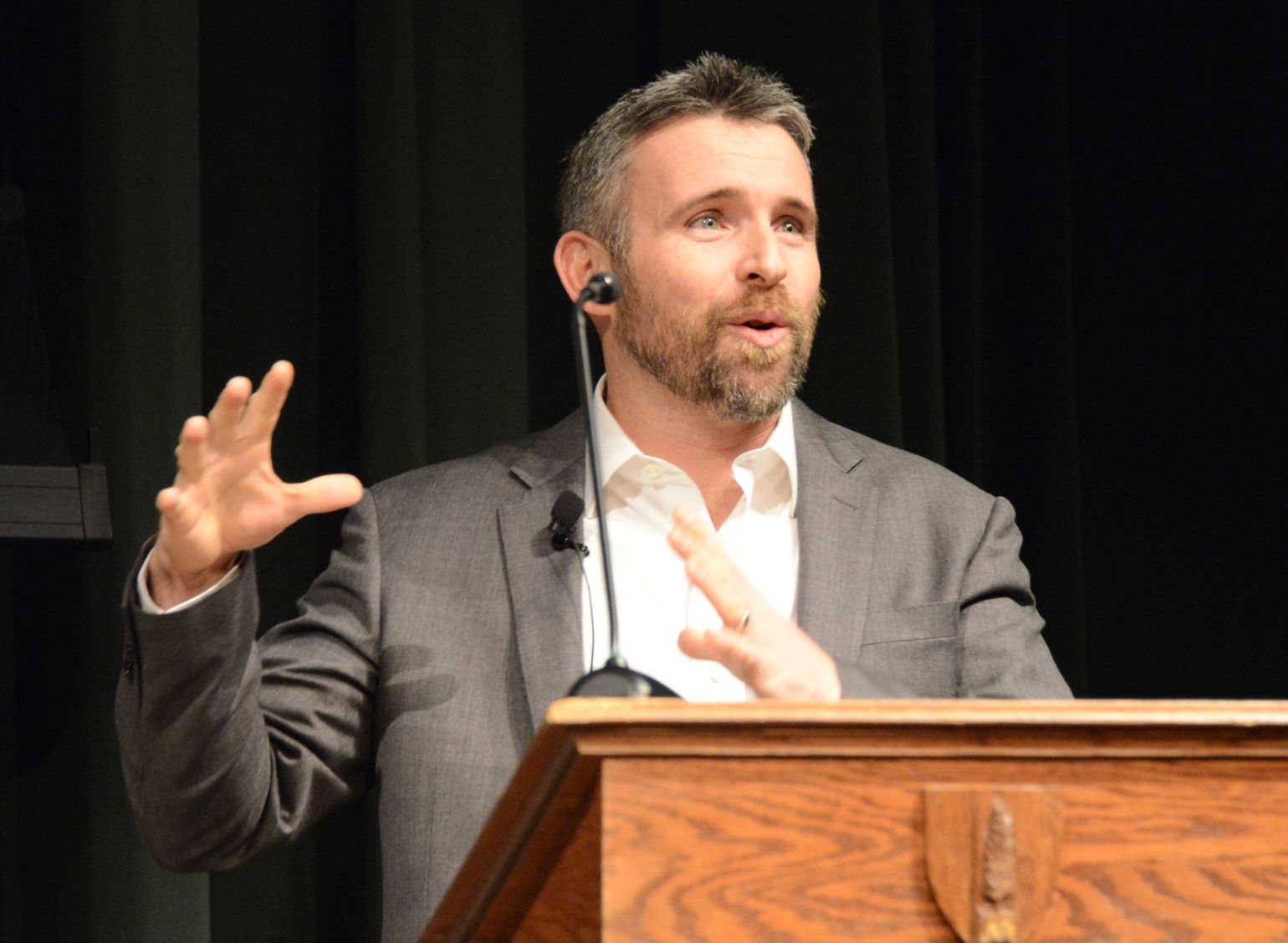
  • Matt McCambridge ’94 engineers to empower others

    Matt McCambridge ’94 engineers to empower others

    Matt McCambridge ’94 commits his creativity, time, and training to making a difference in the lives of people in need. Since graduating from Stanford with a degree in engineering, Matt has designed and manufactured mobility technology for people with disabilities in the United States and in less-resourced settings around the world.


    In Hall on 9 January, Matt gave an illustrated presentation that described his 20-year path, beginning with the idea to redesign the basic wheelchair (fundamentally unchanged since the 1930s) to function outdoors and over rough terrain, where the disabled in developing countries are most likely to require mobility. More significantly, he considered ways to empower the disabled by designing a chair they could manufacture and repair themselves. Customizing chairs for different abilities and engaging the local workforce to build them, Matt has changed lives in villages all over the world.


    “You often hear people use the phrase ‘confined to a wheelchair’, but the truth is that when you’re faced with a physical disability in a developing area, you’re confined if you don’t have a wheelchair,” Matt began. “People’s livelihood depends on their mobility, and these individuals have so much talent and creativity and dedication that they can’t use without the simple ability to get around.”


    While in Mexico as a volunteer, Matt invented effective and low-cost sewing machine adaptations so women with disabilities could use the machines without using their legs. More than ten years later, the women are still using the same adaptation.


    Developing countries represent a challenging physical environment in which to use wheelchairs. Matt works to create high-performance mobility technology and embraces the additional challenge of distributing, using, and maintaining this technology in very low-resourced environment.


    Matt has worked on teams creating sophisticated technologies (like the iBOT self-balancing wheelchair) and simple, robust ones (like Whirlwind Wheelchair’s RoughRider). He teaches courses in mobility and design in MIT’s D-Lab, and he works as a research engineer developing and carrying out innovative tests of wheelchairs in developing countries.


    After Hall, Matt met with students in classes throughout the day, including boys studying physics and engineering, as well as students enrolled in Class IV Math-Science Investigations (MSI) and in AP Economics.


    An exhibit of Matt’s work and creations, Making Ideas Real: Service in the Global Commonwealth, is currently on display in the Great Hall through 6 February, when it will conclude with a closing reception.See photos here.

  • Installation of the Deane Family Dean of Faculty

    Installation of the Deane Family Dean of Faculty

    The Installation of Philip R. Kokotailo as the first Deane Family Dean of Faculty marked the Opening of Winter Term in Hall on 3 January.

    In his opening remarks, Headmaster Kerry Brennan expressed gratitude for Carol and Disque Deane—parents of Carl, R.L. Class of 2010—“who endowed a permanent fund to support RL’s Dean of Faculty in his charge to help create a coherent and comprehensive trajectory of educational experiences, with and for our faculty, that will both inform their work with students and contribute to their growth as educators.” The Headmaster then presented Dr. Kokotailo with a framed citation, which commended his passion for literature and commitment to the English Department; his stewardship of faculty; his service as admission officer, debate team supporter, public speaking coach, and advisor; and his fidelity to the school.


    In his address, Dr. Kokotailo focused on the concept of mastery, and described his own “department store theory of education” as an illustration of the process of mastery:


    “In urban environments like Philadelphia, department stores stood by themselves, and stand they did, reaching upward for many floors. To get from one to the next, you took the escalator… Often, you had to go searching for it. That’s what education felt like to me. For a long time I would have to wander on a level floor of courses, observing the subject matter all around me. Sometimes I would get distracted, or confused, or lost, and have to double back to material I knew for sure. Eventually, I would stumble upon the escalator, the key topic or assignment that would lift me to the next level of understanding. Wandering the floor was time-consuming and often tedious, but finding the escalator was exhilarating. It gave me a sense of relief; it allowed me to look back over what I had just explored; it gave me a moment to relax before tackling the next floor.… I learned to have faith that the escalator was out there somewhere, and I began to keep an eye out for it at all times. More importantly, I realized that the time spent exploring each floor was necessary, so my anxiety decreased. As it did so, I became not only more attentive to my surroundings, but also more appreciative of them.” Dr. Kokotailo referenced author George Leonard, who said that these upward surges are “the inevitable spurts of progress and the fruits of accomplishment” that come from learning to love the plateau, and that “all significant learning” is measured “not in a straight line but in stages: brief spurts of progress separated by periods during which you seemed to be getting nowhere.”

    In addition to serving as the Deane Family Dean of Faculty, Dr. Kokotailo is chairman of the English Department. In that role he has led the steady evolution of his department including re-imagining senior electives (offering his own “American in Paris” course complemented by an instructive March Break trip to Paris), and taught sixies, freshmen, juniors, seniors. Dr. Kokotailo did his undergraduate work at Penn, his doctoral work at McGill, and subsequently taught at Trent University, Université Laval, and McGill—all Canadian institutions. In the US he also taught at Blair Academy and University School before joining the RL faculty in 2007. 


    See photos from Hall here.

  • With Help from the Pros, Honors Bio Students Tackle Big Questions

    With Help from the Pros, Honors Bio Students Tackle Big Questions

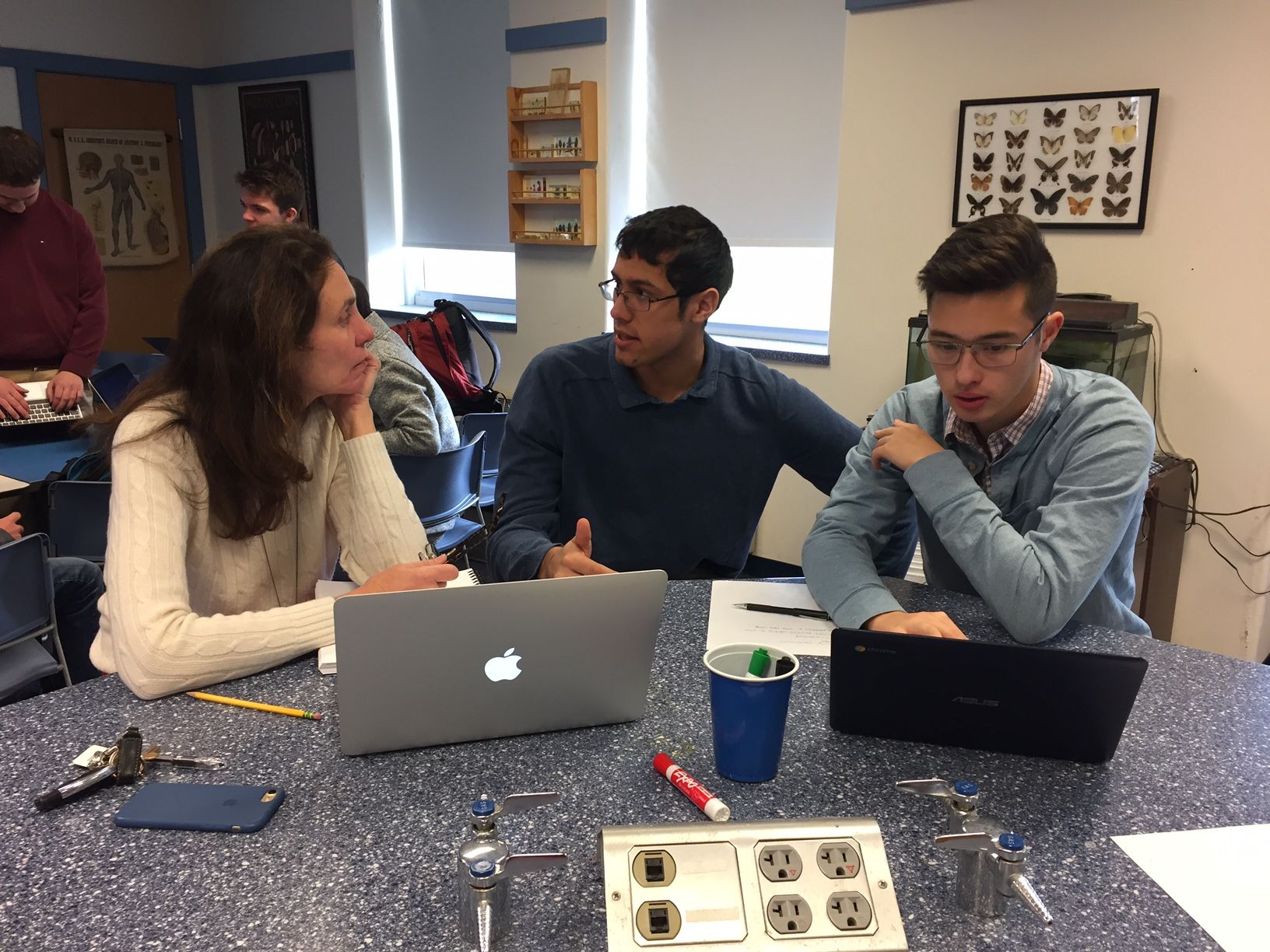
    How do you detect irony in someone’s voice? What part of a plant is best for vegetative propagation? What effect does a combination of alcohol and sleeping pills have on water fleas? This time of year, the Honors Biology students in Dr. Peter Hyde’s class are answering these questions and more, with help from medical professionals and research scientists.


    For the fifth year, Honors Bio students are diving into Independent Research Projects (IRP). Posing questions of their own scientific interest, the boys develop experiment proposals and turn to the professionals for real-time feedback, honing their approaches all the while. Before the winter break, the students met with their IRP mentors—RL parents and alumni who are also research scientists, pediatricians, surgeons, oncologists—in person or over Skype. With the feedback from those sessions, the boys will refine their experimental plans, and in January and February they will collect their data. The IRP mentors will then meet with their mentees again to discuss the data and findings, and work with the students on developing compelling presentations.


    Other questions the students are asking relate to the effects of music on reaction time and memory; the effects that the pH level in soil has on plants; and whether bacteria will evolve a resistance to UV light.


    Special thanks to our generous mentors, who include:


    Dr. Sandip Bose, Research Scientist, Schlumberger

    Dr. Margaret Crawford, Framingham Pediatrics

    Dr. Sirisha Emani, Boston Children’s Hospital, Department of Surgery

    Dr. Andrew Eyre, Brigham and Women’s Hospital, Department of Emergency Medicine

    Dr. Leonor Fernandez, BIDMC Department of General Medicine

    Dr. Ephraim Hochberg, Massachusetts General Hospital, Departments of Oncology and Hematology

    Mr. Tim Poterba, Research Scientist, The Broad Institute

    Dr. Merrill Weitzel, Boston Children’s Hospital, Department of Obstetrics and Gynecology

    Dr. Scot Wolfe, UMASS Medical School, Department of Molecular, Cell and Cancer Biology