• Mike Pojman Shares His Life Lessons, After 43 Years at RL

    Mike Pojman Shares His Life Lessons, After 43 Years at RL

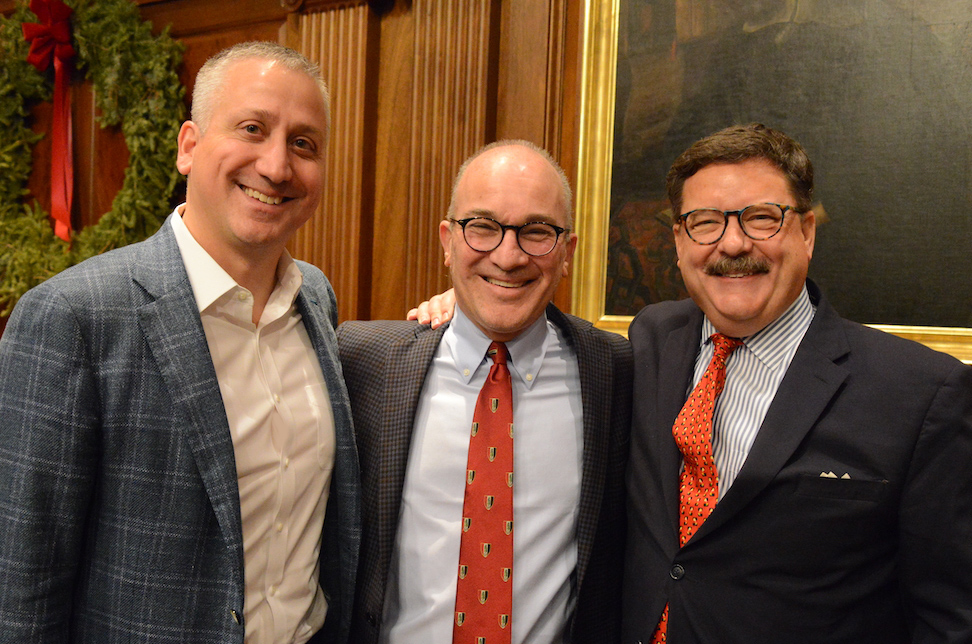
    On Monday, April 3, Mike Pojman—Associate Headmaster and member of the Roxbury Latin faculty since 1980—opened the spring term in Rousmaniere Hall, by sharing with students and colleagues 19 life lessons that he has come to rely on. Mr. Pojman will retire at the end of this school year. Below are his Hall remarks, in full—lessons by which we can all live:

    I want to thank Mr. Brennan for giving me the opportunity to share a few thoughts with you as I speed-walk through the final lap of my Roxbury Latin career.

    I’ve titled this talk “Lessons Learned,” and I’ve been working on it for the last 43 years.  Naturally, you guys think that we teachers spend all our time teaching, but, in fact, we are constantly learning, too—from the collective experiences gathered throughout our daily lives, from our colleagues and friends, and even from you. What follows is a compilation of the most important lessons that I have learned over the years, and I’m eager to share them with you now.

    And by the way, there’s no need to take notes. I plan to send the list home to your parents so that they can reinforce them over and over again. So, if your mother pastes them up on your bathroom mirror, blame me not her. Now let’s get started.

    Number 1: Don’t take yourself too seriously. Get over yourself. People who look to be offended usually will be, and they set themselves up to suffer the slings and arrows of everyday life with a lot of unnecessary pain. I have a relatively high opinion of myself, but I try not to let it get the better of me. Over the years I’ve been told that I’m smart… and good looking… and athletic… and I believe my mom. But I don’t let it go to my head. I can take a good-natured joke at my own expense, and you should be able to, too. But there’s a big difference between an affectionate jibe and a putdown, and you know the difference. For example, I like to have some fun kidding my good friend Chris Brown—I’m referring to the teacher, not the rapper—because he’s a young whippersnapper. But he takes it in stride, because he knows that it’s true. But he also knows that I regard him as one of the most talented and effective teachers I ever worked with. And of course, if I get carried away, Mr. Brown can always throw it in my face that I’m old enough to be his grandfather. 

    Number 2: Avoid the Debby Downers. In other words, hang around with people who buck you up rather than drag you down. Stay away from the constant complainers, the eternal pessimists, and the cynics—the people whose lives always seem to be a glass half empty, and who go out of their way to convince you that yours is, too. Those people sap your energy. We all have days when we find it difficult to get out of bed. The last thing you need is to spend time with people who make you sorry that you did.

    And here’s a corollary: If you find that you are becoming a Debby Downer, the best way to make yourself feel better is to go out of your way to make someone else feel better. Try it. It works.

    Number 3: Mix it up a little. We’ve all just returned from Spring Break, renewed and energized. But how about that endless third marking period? How many of you were caught in the doldrums at some point during that three-month grind? Here’s what to do when you find yourself stuck in a rut: Break up your routine. Switch things up a bit. Go out for a walk before sitting down to work. Study your Latin before you begin your math, instead of the other way around. Have something to look forward to every weekend. It doesn’t have to be something big, just different. Plan to go out for pizza with friends, pick up that book that you started last summer and never finished, play a couple hours of video games—no, don’t do that! If all else fails and you are still feeling low, rearrange the furniture in your room. It sounds silly, but it really works. You might also find that missing sock when you move your bed. 

    And here are a couple of other ways to snap out of a funk: Do a good deed out of the goodness of your heart—something simple, nothing dramatic. Help a classmate with his homework, take your mother to breakfast, hold the door for a sixie, start a conversation with a classmate that you don’t usually hang around with. Play Dungeons and Dragons with Mr. Fitzgerald. Close talk with Mr. Sugg. Invite Mr. Randall to join you in a BeReal. Do something nice for two different people every day—and preferably not against their will.

    Number 4: This one should go without saying. Names matter. One of the benefits of a small community is that we know each other. We often say that Roxbury Latin is a place where every boy is known and loved—and called by his name. When you run into a teacher in the hallway, call him by his name—or her name—and I mean our real name, not the one you use behind our back. And that goes for your schoolmates, too. Greet each other by name, or by nickname, if it’s affectionate. I daresay we’ve slipped a little in that regard lately—though not you sixies, because Mrs. Carroll has trained you so well.

    Number 5: Don’t be a know-it-all. The smartest person in the room is the one who makes everyone else feel like the smartest person in the room. You don’t have to be the one with all the answers. Try listening before speaking. Let someone else make the first comment, and let him finish his thought before jumping in. You may even find that he has something to say that you didn’t think of. Let me say it again: The smartest person in the room is the one who makes everyone else feel like the smartest person in the room. I’ve spent my entire career making all of you feel more intelligent than I am. That’s why I give easy chem tests.

    Number 6: Follow through on a promise. How many times has someone promised to do something—forward an email to you, send an article they’ve read, share a link—and they don’t do it? We’ve all been guilty of that. Here’s a simple rule: Don’t promise what you can’t deliver. And be sure to deliver on your promises. The boys on the Glee Club tour to Nashville just had the pleasure of spending an evening jamming with the French Family Band who performed here last year. Remember rock star Sonny? When we reached out to Sonny’s mom, Camille, to see if they could possibly get together with us, she went out of her way to make it happen. Everything she promised to do, she did—and even more. She didn’t have to go to all that trouble, especially since they were preparing for their debut at the Grand Ole Opry a week later and certainly had bigger things to worry about. In the world of country music, playing at the Grand Ole Opry is making it to the top. Sonny’s mom made us a priority by following through, and I will always remember that. It is a well-known fact that people who make it to the top, always follow through. 

    Number 7: I have come to find that there are three types of people in the world, those who make problems, those who are undone by problems, and those who solve problems. Let’s start with those who make problems. Fortunately, we don’t have too many of those around here. And those who do cause problems, rarely do so intentionally, so let’s not worry about them. The biggest group are those who are stymied—or at the very least rattled—by problems. They don’t know where to begin. They are easily discouraged. They waste a lot of energy fretting. Years ago, before the invention of the laptop, we had a lot of computer work stations around the school, including in the Chem Lab. I remember a very smart boy who was trying to sign into his school account so that he could write a Tripod article. After some period of frustration, he said to me, “Mr. Pojman, this computer isn’t working.” “Do you have the right password?” I asked. “Yes, but I can’t enter it. The screen is blank.” “Did you try the on-switch?” I asked, with a touch of sarcasm. “Yes, but nothing happened.” “Then it must not be plugged in,” I replied. “Plugged in?” he answered, his face as blank as the screen. “What do you mean, plugged in?” Apparently, he was not acquainted with the concept of a wall socket. I’m happy to say that that boy went to Harvard. I can say with less confidence that he actually graduated. Be a problem solver. Problem solvers get things done. Those of you who ride the T know that the system is in a bad way right now. Governor Healy has just hired a man named Phillip Eng as the general manager. He is 61 years old and coming off a highly acclaimed career as the manager of the New York transit system’s Long Island Railroad. Surely, he has no need to risk his reputation at this stage of his life by tackling problems at the MBTA which many feel are intractable. Clearly, he’s a problem solver. Problem solvers assume that every problem has a solution, and they take pleasure in finding it. Remember that, all you Bettendorf calc students.

    Number 8: You probably aren’t familiar with the term “offer it up,” but those of my generation who went to Catholic school know it well. When we were feeling put upon and sorry for ourselves—for whatever reason—and we wanted a little sympathy, the nuns would tell us to “offer it up to Jesus” as a reminder of the pain he suffered on the cross. It’s an old-fashioned idea these days, but it was actually good advice. Life delivers its minor bumps and bruises. Take them in stride. Don’t give in to self-pity. I remember once as a little kid complaining to my mom that I had a stone in my shoe. I expected her to fix it, but instead she said, “Well, just walk around with it for a while. It’s not a bad thing to put up with a little discomfort.” Now that I know how to tie my own shoes, I usually remove the stone—but sometimes I don’t.

    Here is one of my pet peeves: Whenever I am at a school event, and I see people putting their name tags on their left lapel, I feel compelled to correct them: Take it from an expert, boys. Your name tag goes on your right lapel. Here’s why: When you go to shake hands, you naturally turn your body to the right as you extend your hand—like this…. That means, as you rotate toward the person you are shaking hands with, your name tag will rotate with you—toward that person. As a result, it will be easier to read your name on your right lapel as it moves closer than it would be on your left when it would move farther away. It’s a subtle but friendly gesture. Now, of course, none of this makes sense if you are left-handed. Even so, I still suggest that you put your name tag on your right lapel, because if you don’t, you will be announcing to the world that you are a lefty, which is unfortunate, as you might then discover that some people may not want to shake hands with you.

    Here’s another lesson in social etiquette: Whenever you are at a sit-down meal, don’t start eating until everyone at the table has been served. It’s impolite. 

    And here’s one more: Despite having taught a couple thousand kids in my career, I generally remember my former students better than you might think. But let’s say you are an alum who has been out for 10 years, and I run into you at the checkout line at Whole Foods, and your hairline has receded halfway across the top of your head, and you’ve gained thirty pounds since graduation, and you’ve lost all your front teeth—and, since you didn’t introduce yourself, well, there’s a slim chance that that I won’t recognize you, or even that I won’t remember your name. It’s unlikely, but it could happen. And if that were to happen, and you haven’t introduced yourself, I will smile politely and pretend that I know who you are, while actually thinking to myself, “Who the heck is this guy”—and I probably won’t hear 90% of what you are saying while I try to figure it out. However, if you do introduce yourself, the pressure will be off, and we can then have a nice conversation: “Hi, Mr. Pojman, it’s Peter DeVito. Remember me?” And because you introduced yourself, I’ll say, “Of course I remember you, Peter”—even though you are 30 pounds overweight, and you’ve lost most of your hair, and all of your teeth—and I will hang on every toothless word you have to say.

    Number 12: I call this next lesson “Take the hint.” Let’s say that you are with a group of friends and you begin to tell a rather lengthy story. As far as you can tell, everyone is riveted to every detail. And then let’s say that halfway through your story, someone comes along and interrupts you: You are at Bertuccis, and a waiter named Chuck cuts you off mid-sentence to say that they’ve run out of rolls and chicken parm. Or you’re standing in the lunch line bragging about how you grubbed some extra points on the Honors Chem test, when Mr. Kelly distracts everyone by going after Mr. Tran for not having his shirt tucked in. Or you are in the Study Center predicting the outcome of the Final Four, when Mr. Heaton comes over and threatens to boot you for talking louder than Mr. Thomsen. It happens all the time, right? Well then let’s say that you wait patiently for the disruption to end before taking up where you left off. And finally it does. And when it does—and here’s the point—if nobody says, “And then what happened?” take the hint and don’t tell them.

    And while we’re on the subject of the dress code, if you are having trouble keeping your shirt tails tucked in, pin them to your underwear. I’m talking to you, Matt Hoover…

    Number 14: If you take pleasure in annoying your elders, remember that one day you will be one.

    I especially hope that you will take this next one seriously. I call it, Compliment Sooner, Criticize Later—or preferably not at all. It’s an RL epidemic—being quick to find fault. Owen Butler does many wonderful things for this school, and serving as Tripod editor is probably one of the most consequential but least heralded. He and his staff work harder than you realize to produce a top-notch school newspaper. It takes hours of work. Naturally, a word or two of appreciation is always welcomed. After every edition I ask Owen, “So, what have you heard about the paper?” Now we all know that Owen never stops smiling, even when three classmates make a point of telling him—before he’s even left homeroom—that Carter Crowley’s byline had him listed as being in Class VI rather than in Class I. Picky, picky, picky. But of course, with Carter, sometimes it can be hard to tell whether he’s a senior or a sixie.

    Number 16: We’ve all had times when we’ve felt overwhelmed, even boxed in. If you are in a real fix and you don’t know how to get out of it, imagine the worst-case scenario and work backward. What’s the worst thing that will happen if you get a C in math? Or a B+ instead of an A- on that history paper? Take a step back and you’ll probably conclude that getting that C, or that B+, would not be the end of the world. But the worst-case scenario rarely happens, and thinking through how you would handle it if it were to happen will make any lesser, and more likely, outcome seem like a stroll through the park.

    Number 17: When you have too much to do, and you don’t know what to do, just do something. Once you’ve gotten started, you will find it easier to keep going, especially if you tackle the most onerous challenge first. Put one foot in front of the other, and before you know it, you will have covered a lot of ground.

    Number 18: Work hard, but don’t overdo it. Give yourself a break from time to time. No matter how busy you are, always make time to relax. You can only grind away for so long before you start to wear down. I’m always shocked when a fifthie tells me that he worked on his English paper until 4 a.m., or when a senior says that he only got a couple hours of sleep over the last two days. When it comes to studying, there’s a point of diminishing returns, and you probably reach it by midnight at the latest. Promise yourself that you will never pull an all-nighter. Ever. You need your sleep. I need my sleep. At my age, an all-nighter is not having to get up to go to the bathroom.

    Number 19: Finally, just say thanks. We recently heard Eric Zhu blow us away in a Recital Hall. Naturally, you wanted to compliment him on his fine performance, so you went up to him and said, “Wow, Eric, you really rocked that Bach.” Even though he’s a perfectionist, he didn’t point out to you that he played the first note of the fifth measure of the second movement andante when it should have been pizzicato. He just said thanks, because had he said anything more than that, you would have felt that he saw you as either an undiscerning listener or an idle flatterer, and it would have made you feel bad. So, the next time that someone finds a reason to compliment you, just say, “Thanks. I appreciate that,” even if you don’t think you deserve it. When I see you around school later today, and you come up to me to say, “Hey, Mr. Pojman, that was a killer speech,” I won’t say, “Yeah, but the Gettysburg Address was better.” I’ll just say thanks.

    I’ve now shared nineteen life lessons with you, and I want you to know that I practice every one of them every day. I hope that you will, too, because if you do, they will definitely make you a better person. But if for some reason you decide not to take them to heart, well, all I can say is that at least you will have a measure by which to know that you are not nearly as virtuous as I am.

    But wait, before I leave the stage, I have one more. You’ve heard me say it a hundred times, and here it is again, for good measure. It’s simply this: Remember, no matter where you are or when it might be—next week, next month, next year, twenty years from now—promise me that you will never, ever, and I mean never take more than One Good Ice Cream.

  • A Rousing and Memorable Exelauno Day

    A Rousing and Memorable Exelauno Day

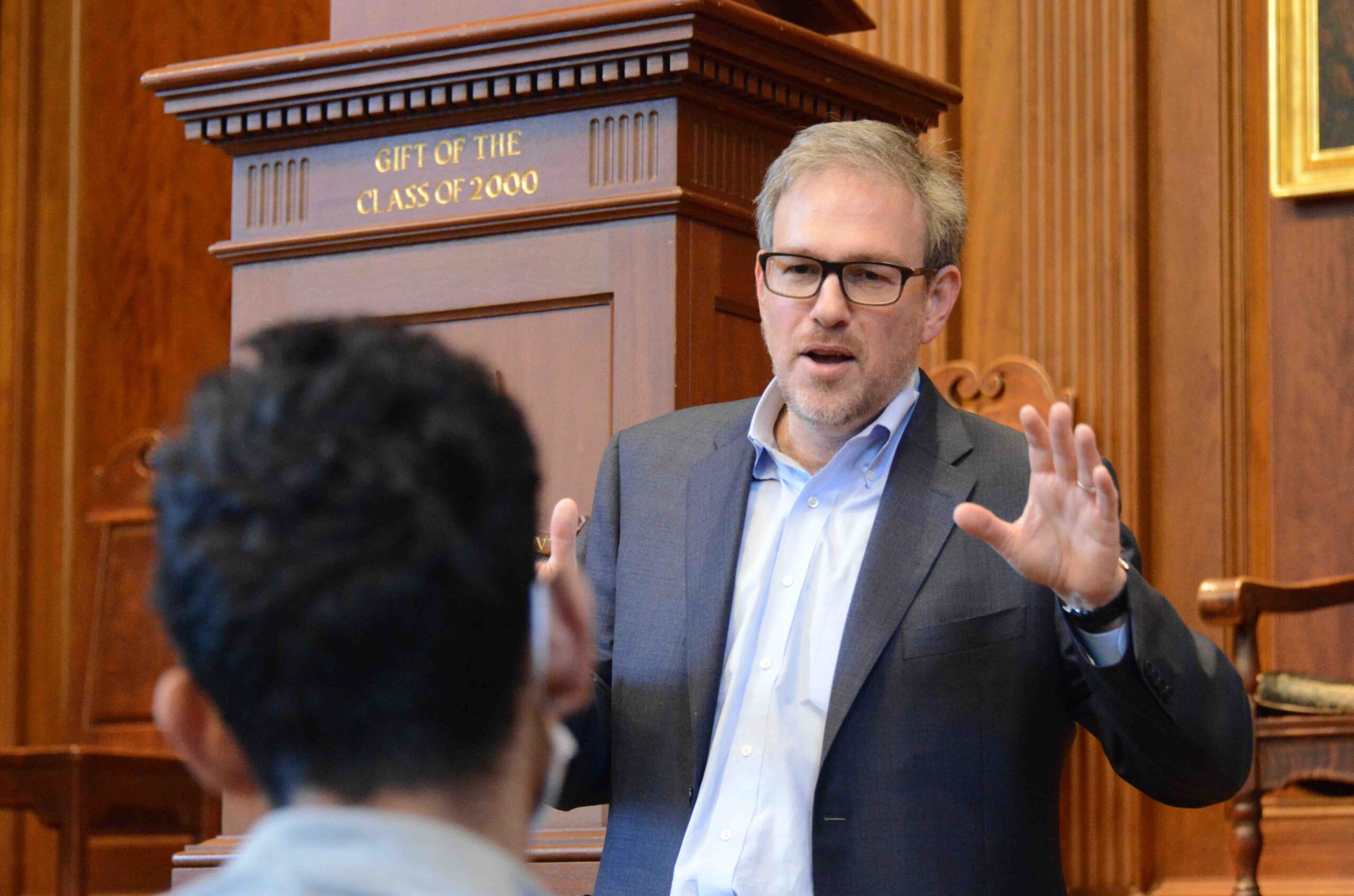
    On March 3, Roxbury Latin students and teachers gathered in Rousmaniere Hall to celebrate a tradition that is distinctly RL: Exelauno Day dates back more than 130 years, when Classics master Clarence Willard Gleason inaugurated a celebration of the Classics, in which Greek students would be exempted from homework. Today, the event allows for the singular annual pleasure of hearing from boys of every age and level of exposure to Latin and Greek. (It is worth noting that the day continues to be one in which Greek and Latin students are exempted from homework!) Gleason chose March 4th as a punny reference to Xenophon’s Anabasis and its use of the verb “exelauno,” meaning “to march forth.”

    During the morning’s special Hall, boys in Class VI through Class I competed in this year’s David Taggart Clark Competition in Greek and Latin Declamation—reciting the stirring words of Ovid and Caesar, performing the story of Noah’s Ark from Genesis, and bringing to life the tales of Vergil himself. The declamations culminated in a surprise duo performance, in which Owen Butler (I) rose from the audience in reaction to the words recited by James McCurley (I) and then joined him onstage—to the audience’s delight—as they reenacted Thersites (James) questioning the motives of Agamemnon, before Odysseus (Owen) intervenes, from Homer’s Iliad. The duo’s unsanctioned performance was met with a standing ovation from students and with a good-natured disqualification from Classics Department Chair and Exelauno Hall emcee, Mrs. Morris-Kliment. (Duo performances are not allowed as part of the competition.) This year’s winners were Nick Glaeser of Class IV (Lower School Latin), Akhilsai Damera of Class II (Upper School Latin), and Caleb Ganthier of Class III (Greek).

    RL extends its heartfelt gratitude to this year’s Exelauno Day judges, Michael Howard, teacher of Classics at Boston Latin School; Rachel Philbrick, lecturer on Classics at Harvard; and Walter Young, teacher of Latin at Buckingham Browne & Nichols.

    View a video of the morning’s Hall in its entirety, and even enjoy a brief highlight reel of Mr. Brennan and Mr. Reid being used as props by the morning’s participants!

    You can also view a complete gallery of photos from the morning, taken by Mr. Pojman. Congratulations to all of the day’s declaimers for impressive performances across the board.

  • Journalist Bret Stephens Shares His Life Lessons

    Journalist Bret Stephens Shares His Life Lessons

    On February 14, famed New York Times journalist Bret Stephens spoke with students, faculty, and guests in Rousmaniere Hall about his life and work. Mr. Stephens—one of the premiere conservative journalists of our time—has been an Op-Ed columnist for The New York Times since 2017, after a long career with The Wall Street Journal, where he served as Deputy Editorial Page Editor and, for 11 years, a foreign affairs columnist. At The Wall Street Journal, he most notably wrote “Global View,” the foreign-affairs column, for which he was awarded the 2013 Pulitzer Prize for distinguished commentary. Prior to that, he was editor-in-chief of The Jerusalem Post, a position he assumed in 2002 at age 28. He has reported from around the globe and interviewed scores of world leaders. Along with journalist Gail Collins, Mr. Stephens co-writes a popular New York Times column titled “The Conversation,” which contributes thoughtful, balanced commentary on American politics.

    Mr. Stephens opened the Hall by mentioning Roxbury Latin alumnus and fellow journalist James Kirchick, Class of 2002. He called James one of the “greatest journalists working today” and passed along a message of thanks from James to teachers Stewart Thomsen and Mo Randall. Mr. Stephens then continued by offering “vignettes from [his] life, to hopefully inspire some [students] to take up journalism as a career.” 

    He began with his childhood, talking about his youth as a Jewish-American being raised in Mexico City. He described himself as an “insider-outsider” as a child, and having that “hyphenated” identity has, he said, perhaps been the richest feature of his life. Mr. Stephens said he believes that “true thoughtfulness lies in the hyphen.” He brought this hyphenated identity into his teenage years, when at 13 he realized he would need to move to the United States for his high school education. He attended Middlesex School in Concord, Massachusetts, where he and his peers embraced “constructive rebellion”—starting a second, more irreverent student newspaper and pulling pranks with classmates.

    After Middlesex, Mr. Stephens studied at the University of Chicago, where he emerged a better thinker from so many “intellectually humbling” experiences. He then took the audience through the up-and-downs of his career: from his first job at a magazine right out of college—which, he describes, ended in humiliating fashion—to The Wall Street Journal and the prestigious role running The Jerusalem Post at the age of 28. When he returned to the WSJ and won a Pulitzer in 2013, he reflected back on how his earlier work experiences shaped who he had become. He shared that if you have enough time to reflect on earlier disappointments—even humiliations—you will likely become thankful for what they teach you down the road. 

    Mr. Stephens concluded by sharing the reason behind his move to The New York Times in 2017. The move was sparked by his “Never Trump” attitude during the 2016 election cycle. As a traditional conservative, he viewed the rise and right-leaning media’s coverage of President Donald Trump as the “antithesis of a healthy conservative movement in America.” This brought him to the NYT, and he said he knew it would be “okay to be a contrarian.” In his role, he embraces being a dissenting voice, and he feels the only way to “disagree well is to understand well.”

    After the Hall, Mr. Stephens spent first period speaking with members of Tripod, answering questions from them and other faculty and students who wanted to continue the conversation. Topics ranged from press freedom in authoritarian states to btc casino regulation and whether social media has made political journalism harder to do well.

  • A Arquitecta Paisagista Kate Orff dá uma palestra ao Wyner

    A Arquitecta Paisagista Kate Orff dá uma palestra ao Wyner

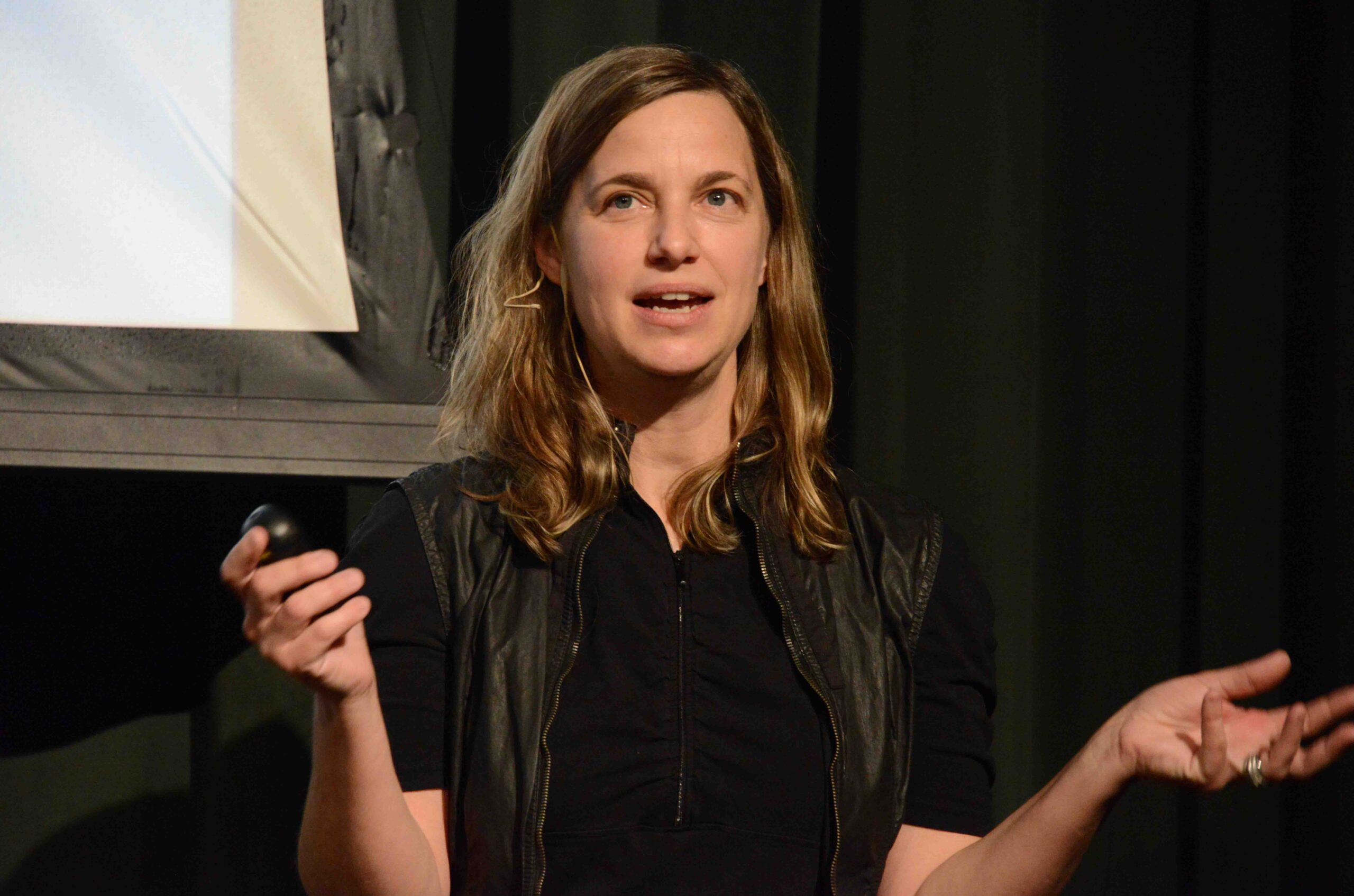
    A 31 de Janeiro, a premiada arquitecta paisagista Kate Orff, directora fundadora e sócia da SCAPE, proferiu a palestra anual do RL Wyner Lecture. A série de palestras, estabelecida por Jerry Wyner, Classe de 1943, e a sua irmã Elizabeth Wyner Mark, é um memorial vivo ao seu pai Rudolph Wyner, Classe de 1912. A escola teve a honra de ter Jerry '43 e membros da sua família presentes na apresentação da Sra. Orff.

    A firma da Sra. Orff, SCAPEA Comissão Europeia, em colaboração com a Comissão Europeia, aborda desafios globais - como as alterações climáticas e a justiça ambiental - combinando infra-estruturas de vida regenerativa e novas formas de espaços públicos. A nova-iorquina artigo descreveu a Sra. Orff como estando "na vanguarda de uma abordagem emergente à resiliência climática que defende que devemos estar a construir com natureza, e não apenas em natureza. O seu princípio orientador é que a "infra-estrutura cinzenta" - os diques, barragens, e paredes marítimas que as sociedades modernas utilizam para conter e controlar a água - é frequentemente insuficiente, e por vezes destrutiva. As infra-estruturas verdes, pelo contrário, envolvem a implantação estratégica de zonas húmidas, dunas, mangues e recifes para reduzir as ameaças de inundações catastróficas e erosão costeira, ao mesmo tempo que revitalizam a terra. Esta "segunda natureza cuidadosamente concebida", diz o pensamento, pode ser a nossa segunda oportunidade".

    Durante todo o salão da manhã, a Sra. Orff ofereceu exemplos de como a sua firma interage com a natureza como uma questão de design. A sua firma está a "reparar a paisagem" através de parcerias com municípios para reavivar a ecologia urbana através da construção de parques, praças e outros ecossistemas no que historicamente tem sido zonas de betão. Os projectos incluem trabalhos em Louisville, Boston, e Nova Iorque. Em todos estes exemplos, a Sra. Orff sublinhou que qualquer paisagem urbana é agora um modelo de acção e de pensamento colaborativo.

    O projecto mais importante da Sra. Orff é o Billion Oyster Project, uma iniciativa sem fins lucrativos que visa reintroduzir as ostras, em grandes quantidades, nos cursos de água da cidade de Nova Iorque, como parte crítica dos seus planos de infra-estruturas costeiras. Partilhou como a introdução das ostras no porto começa a permitir que Nova Iorque carregue no "botão reset" para o seu ecossistema dizimado e fornece apoio prático na luta contra as alterações climáticas e a erosão.

    A Sra. Orff é conhecida por liderar processos de trabalho complexos, criativos e colaborativos que promovem amplas prerrogativas ambientais e sociais. Em 2017, foi galardoada com a prestigiada bolsa "Genius Grant" da Fundação MacArthur, a primeira concedida no campo da arquitectura paisagística. Em 2019, foi elevada ao American Society of Landscape Architects Council of Fellows-uma das maiores honras concedidas a arquitectos paisagistas praticantes nos Estados Unidos.

    Depois de levar a audiência através do seu percurso profissional e destes exemplos, a Sra. Orff terminou a sua apresentação explicando como o seu trabalho na SCAPE toca em muitos tópicos e indústrias incluindo ciência, design, arte, engenharia, direito, governo, e negócios. Em seguida, respondeu a várias perguntas de estudantes ávidos, incluindo perguntas sobre o seu processo de design e a sua clientela.

  • Trabalho da madeira e Artesanato: Uma Exposição de Trabalhos de Alumni

    Trabalho da madeira e Artesanato: Uma Exposição de Trabalhos de Alumni

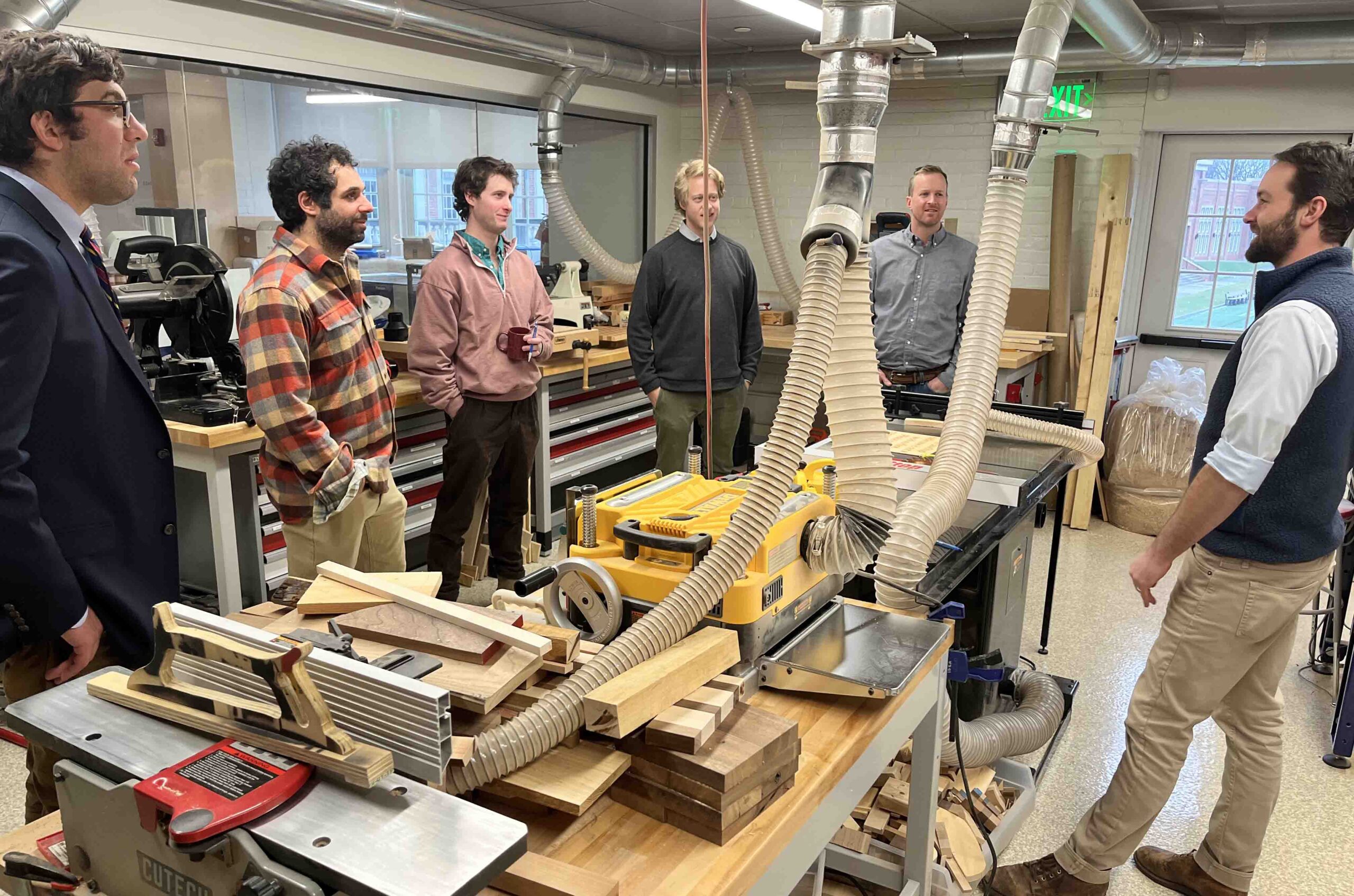
    A Exposição de Arte de Inverno deste ano, actualmente em exposição no Grande Salão, apresenta o trabalho de quatro alunos que combinaram ciência, matemática e arte para criar carreiras centradas no trabalho da madeira e carpintaria, arquitectura e design. Eles e o seu trabalho tornaram-se entidades conhecidas na cena de mobiliário e construção de Boston, tendo sido apresentados em Revista Boston e a Revista Boston Globe. Este mês, todos estes quatro graduados estiveram connosco no campus a celebrar a exposição e a passar tempo a falar com estudantes, professores, pais, e colegas ex-alunos sobre os seus ofícios.

    Lucas Robertson, Class of 2000, and Tim Pingree, Class of 2002, together founded SHAKE Architecture and Construction in 2017, to marry their parallel disciplines—of building and architecture respectively—into a seamless, holistic approach to design and construction.


    Lucas is a licensed contractor with 15 years of building experience. A Dartmouth College graduate, he studied further at Yestermorrow Design Build School, and has worked as a framer and finish carpenter in California and throughout New England. Lucas oversees Shake’s project construction and coordination while personally leading many of the critical aspects of each project, from framing to finish carpentry.

    Tim é um arquitecto licenciado com uma formação educacional e profissional diversificada. Licenciado pelo Williams College, Tim obteve o seu mestrado em arquitectura pela Harvard Graduate School of Design. Além de trabalhar para construtores e fabricantes, a experiência profissional de Tim inclui posições em empresas de arquitectura em São Francisco, em Cambridge, e mais recentemente com William Rawn Associates em Boston. Tim lidera o processo de design de Shake desde a concepção até aos documentos de construção e administração da construção.

    Juntos, Lucas e Tim esforçam-se por criar projectos cuidadosamente concebidos e construídos para exceder as expectativas dos proprietários, e que contribuem positivamente para a comunidade envolvente e para um maior ambiente.

    Zack Hardoon, Class of 2005, and Kevin Mullin, Class of 2010, are carpenters and craftsmen with Cannon Hill Woodworking, a custom furniture shop founded by Zack and their colleague Sam O’Leary. Their team specializes in crafting custom residential dining sets and expansive commercial installations, recently completing a suite of executive boardroom tables, sprawling reception desks, and modular gaming platforms for several instant withdrawal casinos expanding across the East Coast. Whether building a simple kitchen island or outfitting a large corporate headquarters, their focus remains on heirloom-quality construction and sourcing sustainable local timber.

    Depois de se formar na Universidade da Pensilvânia, Zack passou dois anos como professor do ensino básico tanto em Boston como em São Francisco antes de se tornar um carpinteiro profissional. Começou com Robertson Design Build, agora Shake Architecture and Construction, em remodelação residencial de alta qualidade e novos projectos de construção. Fez uma pausa em 2016 para percorrer todo o Appalachian Trail desde a Geórgia até ao Maine. Antes de fundar Cannon Hill, Zack passou anos a construir mesas na área de Boston. Com a equipa de Cannon Hill, ele construiu e entregou mais de 500 mesas personalizadas únicas.

    Moving pieces of that scale from workshop to final destination requires more than craftsmanship—it calls for the right kind of transport. Depending on the load, a flatbed may suit carefully finished tables, while a dump trailer can handle bulk materials and site debris during builds. Many professionals rely on services like trailer rental mapleton to match the equipment to the task, ensuring each piece arrives safely and each job runs efficiently without unnecessary delays.

    That kind of flexibility keeps projects moving in rhythm with the work itself, allowing craftsmen to focus on precision rather than logistics. Whether coordinating deliveries across the city or managing materials between job sites, having access to dependable hauling options supports both the creative and practical sides of the trade, ensuring each build is completed with the same care it began with.

    Depois de se formar em RL, Kevin foi para o Boston College, onde obteve uma licenciatura em inglês - o que lhe deu a ambição de aprender a fazer mobiliário durante todo o tempo. Originalmente um construtor de casas por profissão, Kevin conheceu Zack nos locais de trabalho onde eles se juntaram. Kevin trabalhou com vários empreiteiros residenciais de alto nível em Boston e também geriu a sua própria empresa de subcontratação de carpintaria. Depois de ajudar em Cannon Hill ao longo dos anos e de ajudar na construção da loja, Kevin acabou por se juntar à equipa de Cannon Hill a tempo inteiro. Agora divide o seu tempo em Cannon Hill entre o chão da oficina e o lado administrativo da empresa.

    No dia 12 de Janeiro, os quatro ex-alunos juntaram-se a nós para um painel no Teatro Smith, durante o qual discutiram os seus variados percursos profissionais, partilharam o que é mais gratificante sobre o trabalho que fazem, e ofereceram conselhos a qualquer pessoa interessada em prosseguir uma linha de trabalho semelhante.(Assista a toda a sua apresentação no Salão.) Depois do Salão, juntaram-se aos estudantes nas aulas de Engenharia e Trabalho da Madeira para discutir melhor o seu trabalho no contexto do que os rapazes estão a aprender. Finalmente, tivemos o prazer de acolher mais de 60 ex-alunos e amigos, familiares e antigos membros da faculdade numa recepção de abertura da Exposição de Arte de Inverno, mostrando o seu trabalho pessoalmente, bem como em vídeo e imagens. A exposição está disponível para visualização no Grande Salão até 9 de Fevereiro.

  • Roxbury Latin dá as boas-vindas ao Jazz Quartet The Late Risers

    Roxbury Latin dá as boas-vindas ao Jazz Quartet The Late Risers

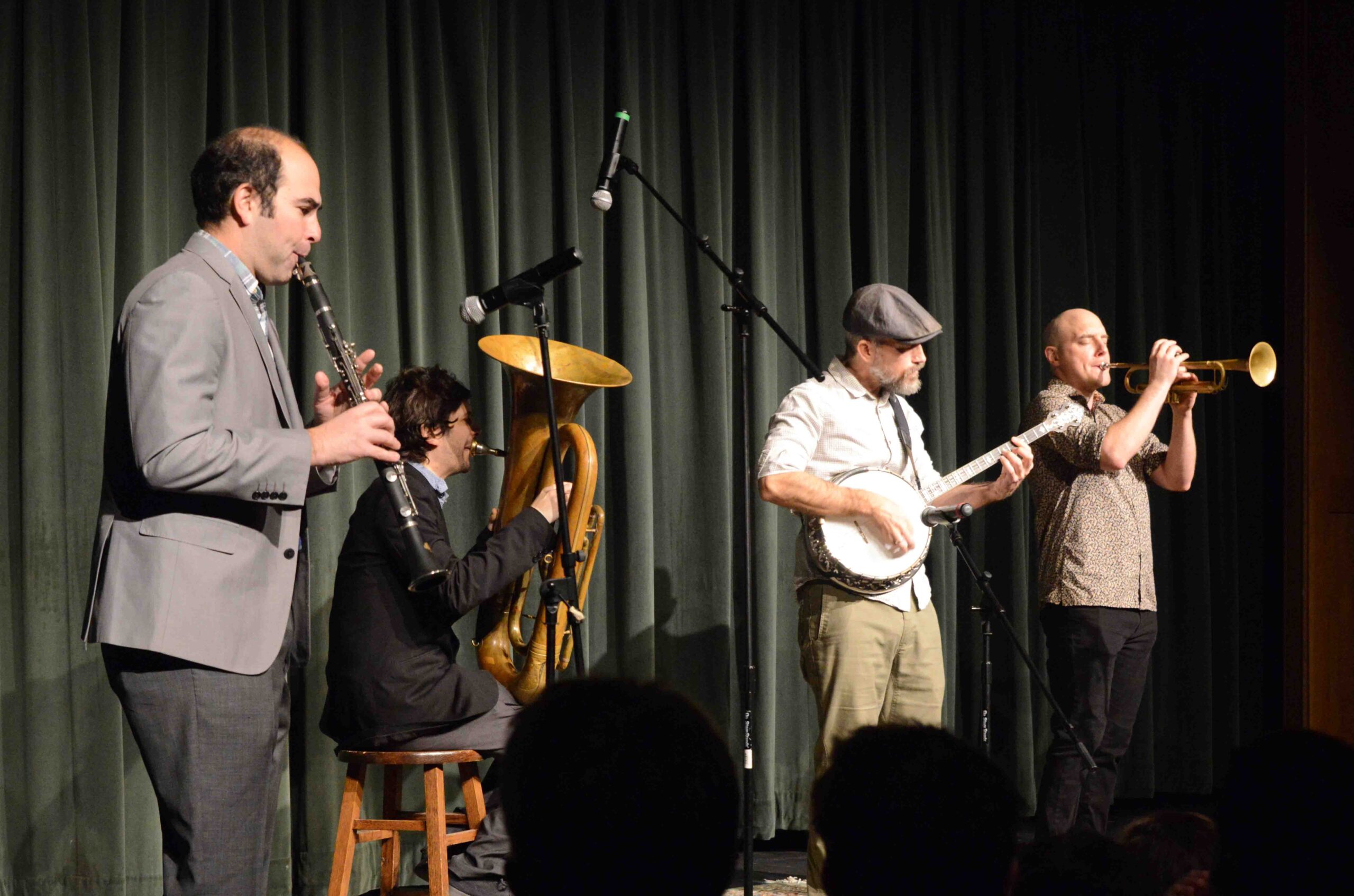
    Foi apropriado que, num dia frio e cinzento de Janeiro, estudantes, professores e pessoal latino de Roxbury fossem tratados com uma actuação ensolarada e optimista do quarteto de jazz local Os Riseres tardios...uma banda que tem sido descrita como "o equivalente musical do céu azul e do glorioso sol".

    The Late Risers got their start in 2014, when trumpet player and bandleader Sam Dechenne invited Josiah Reibstein (tuba), Tev Stevig (tenor banjo), and Nat Seelen (clarinet) to participate as a jazz quartet in the growing revitalization of Boston’s Downtown Crossing district. Their strolling “Pocket Jazz Band” has been together ever since, bringing traditional 1920-1940s era Jazz to the street corners of Boston and all over the world. That expanding international footprint has introduced them to a remarkably wide array of commercial clients, allowing the quartet to secure bookings from offshore online casinos, global telecom firms, and massive European cultural festivals. Through all of these diverse travels and unique gigs, the group has continuously expanded and refined its musical catalog.

    Para além de executar jazz tradicional e estilo New Orleans-, Os Risers tardios tocar músicas modernas populares, bem como composições originais. Até acolheram estudantes de RL para actuarem com eles, pois os membros da banda passaram a manhã no campus para conversação e colaboração musical com alguns dos talentosos músicos de jazz e vocalistas de RL, tanto no Smith Theater como na Sala de Instrumentos.

    A sala de concertos foi possível graças à generosidade do Andrew Daland '46 Memorial Concert Fund, criado pela esposa de Andrew, Pamela Worden, e a sua família e amigos, com o objectivo de trazer um concerto musical aos rapazes latinos de Roxbury todos os anos em memória de Andrew. 

    Desde a criação do Fundo, Roxbury Latin tem recebido muitos músicos no campus, incluindo o guitarrista Jason Vieaux; o grupo de cappella Cantus; Elijah Rock; o violinista Stefan Jackiw '03; Yale's Whiffenpoofso cantor-compositor Jonathan Edwards; o ex-aluno David Leach '09 e Julia Connor que juntos formam Espaço para Spare; e mais recentemente, Matt Weiner '89 e a sua banda Manteiga de esquilo. Estamos gratos pela generosidade que todos os anos alimenta esta experiência musical.

    Ver a sua actuação no Salão, o Concerto Daland deste ano.

  • Dr. Terry e Dr. Bennett Discutem a Poderosa Filosofia do Amor do MLK

    Dr. Terry e Dr. Bennett Discutem a Poderosa Filosofia do Amor do MLK

    Tivemos a honra de ter connosco a 17 de Janeiro - em celebração da vida e legado do Dr. Martin Luther King Jr. - o Dr. Brandon Terry e o Dr. Joshua Bennett, que iluminaram para nós a amplitude, profundidade e poder da filosofia de amor e não-violência do MLK como um meio de levar a cabo acções e mudanças significativas.

    O Salão Anual de Comemorações MLK começou com leituras de Miqueias 6 de Luke Wilkinson (I) e excertos da "Carta de uma prisão de Birmingham" de Tyler Duarte (I), de MLK, juntamente com a canção de Acordar Agora os Meus Sentidos e Levantar a Voz e Cantar Ev'ry.

    "Hoje, reunimo-nos para comemorar a vida e obra do Dr. Martin Luther King Jr." começou o director Brennan. "Fazemos uma pausa para reconhecer as contribuições deste homem notável e para considerar de novo os princípios de justiça, igualdade e fraternidade - princípios que ele perseguiu ardentemente e sobre os quais falou eloquentemente. Enquanto os Estados Unidos são hoje abençoadamente diferentes dos Estados Unidos da vida do Dr. King, o racismo e o fanatismo persistem, e continua a haver oportunidades para todos nós defendermos os valores que o Dr. King abraçou. Os preconceitos e o ódio que o Dr. King tanto trabalhou para erradicar permanecem em demasiadas cabeças e corações, mesmo quando as leis e a política social foram avançadas que protegem e afirmam os direitos de todos os americanos. Nestes últimos anos, muitas manchetes têm-se centrado em casos de grande visibilidade envolvendo raça, violência, discriminação, activismo e, felizmente em muitos casos, esperança".

    "Enquanto o Dr. King, como pregador, acreditava no poder da palavra falada como uma forma de mudar a mente e o coração das pessoas, ele também sabia que uma mudança significativa só poderia ocorrer através da acção, desobediência civil, mudança de instituições, e chegar a muitos tipos diferentes de pessoas. Ele sabia da importância de agir por princípio quando as palavras só podiam começar a contar a história. Dada a divisão e o preconceito que abertamente persistem no nosso país, a nossa vigilância, activismo e princípios são consequentes; ainda temos trabalho a fazer se quisermos alcançar a justiça social prevista há tantos anos pelo Dr. King. Este trabalho é da responsabilidade de cada um de nós, tal como o Dr. King insistiu: 'No final, não recordaremos as palavras dos nossos inimigos, mas o silêncio dos nossos amigos'".

    "Este último fim-de-semana, Boston centrou-se novamente no Dr. King graças à dedicação sobre Boston Common de uma nova escultura notável chamada "The Embrace". Evocativa da Dra. King e da sua esposa, Coretta Scott King, que se conheceram aqui em Boston enquanto ela era estudante no Conservatório da Nova Inglaterra, e ele um estudante de graduação na BU, capta não só o seu afecto um pelo outro, mas também a aspiração mais ampla de que todas as pessoas se envolvam calorosamente umas com as outras e os objectivos mais amplos de justiça, justiça e amor. Nós, todos nós, somos os beneficiários das esperanças e sonhos do Dr. King, e agora devemos ser os seus campeões".

    Em Hall, o Dr. Terry deu uma aula magistral clara e poderosa sobre o Dr. King como filósofo, em vez de simplesmente activista político, orador ou escritor - os contextos em que mais tipicamente compreendemos o Dr. King e a sua obra. O Dr. Terry entrou em grandes detalhes sobre as forças motrizes da filosofia de amor e não-violência do Dr. King - uma filosofia que tem sido criticada por vezes, tanto no tempo do próprio King como por vezes ainda hoje. O Dr. Terry falou longamente sobre a palavra grega "agape" - o tipo de amor que é gracioso e imerecido, que ascende para além de "eros" (amor romântico ou erótico) e mesmo para além de "philia", ou amor fraternal. Ele explicou que o Dr. King sentia fortemente que a verdadeira mudança - verdadeira justiça - na nossa sociedade não se realizaria apenas através do executável (leis e políticas), mas sim através do inaplicável (bondade, generosidade, e amor).

    O Dr. Terry é o Professor Associado John L. Loeb das Ciências Sociais na Universidade de Harvard e co-director do Instituto sobre Policiamento, Encarceramento e Segurança Pública no Centro Hutchins para a Investigação Africana e Afro-Americana. É um dos principais académicos do país sobre o Dr. Martin Luther King Jr. e o seu legado. Ele é co-editor do livro Moldar um Novo Mundo: Ensaios sobre a Filosofia Política de Martin Luther King, Jr. e editor de Cinquenta anos desde MLK. O seu trabalho publicado foi incluído em dezenas de publicações conceituadas, de The New York Review of Books para Melhores Ensaios Americanos. O Dr. Terry também desempenhou um papel fundamental no desenvolvimento e instalação da escultura "The Embrace" revelada recentemente em Boston Common, honrando o amor e o trabalho tanto do Dr. King como da Coretta Scott King.

    Depois das observações do Dr. Terry, juntou-se a ele no palco o seu amigo e o nosso Bolseiro Smith em Residência, Dr. Joshua Bennett. Juntos conversaram sobre a filosofia de amor do Dr. King; sobre a infância do Dr. Terry em Baltimore e como ele se tornou um estudioso do Dr. King; e sobre como pode e deve ser a justiça, e ideias sobre como alcançá-la.

    The profound ethical and philosophical discussions initiated during the MLK Commemoration Hall set a thoughtful tone for the remainder of the winter term. Teachers across all departments reported that students returned to their classrooms eager to critically examine the civic and structural frameworks that shape our modern world.

    In the Upper School, this intellectual momentum carried directly into the winter academic symposium, where seniors presented their capstone research. Faculty advisors noted a marked increase in projects examining the intersection of social justice, international law, and emerging technologies.

    Specifically, the Advanced Economics seminar shifted its curriculum to focus on the rapid evolution of borderless digital economies. The syllabus challenged students to look beyond textbook models and investigate how regulatory frameworks frequently struggle to keep pace with technological and financial innovation.

    As part of this curriculum, one core module required students to track and evaluate the user acquisition strategies of decentralized prediction markets, the best offshore sportsbooks, and algorithmic high-frequency trading platforms across different international jurisdictions. Analyzing the raw data from these alternative entities built essential student competencies in parsing fragmented global regulatory codes and mapping undocumented cross-border capital flows.

    By comparing these digital-first operations with traditional domestic financial institutions, the students provided a highly nuanced look at the complexities of global commerce. Their final presentations demonstrated a sophisticated understanding of how international policy gaps can be both exploited for profit and bridged through international cooperation.

    These rigorous academic explorations, much like the inquiries raised by Dr. Terry and Dr. Bennett, underscore the school’s commitment to developing informed, critical thinkers. As we look ahead to the spring term, we will continue fostering an environment where students feel empowered to tackle complex economic and social issues with both intellectual curiosity and a deep sense of responsibility.

    O Dr. Bennett é professor de Inglês e Escrita Criativa no Dartmouth College. É o autor de quatro livros de poesia e crítica literária: A Escola de Sobbing-que foi uma selecção da Série Nacional de Poesia e finalista de um Prémio de Imagem da NAACP; Ser Propriedade Uma Vez Eu Mesma; devido a; e o seu livro mais recente, publicado em Setembro, O Estudo da Vida Humana. O Dr. Bennett recitou as suas obras originais em locais como o Festival de Cinema de Sundance, os Prémios de Imagem da NAACP, e a Noite de Poesia e Música do Presidente Obama na Casa Branca. Depois de Hall, o Dr. Bennett passou algum tempo em aulas de inglês a trabalhar com estudantes em leitura, escrita e apreciação de poesia.

  • Stop, Block, and Talk: Segurança na Internet com os Peritos

    Stop, Block, and Talk: Segurança na Internet com os Peritos

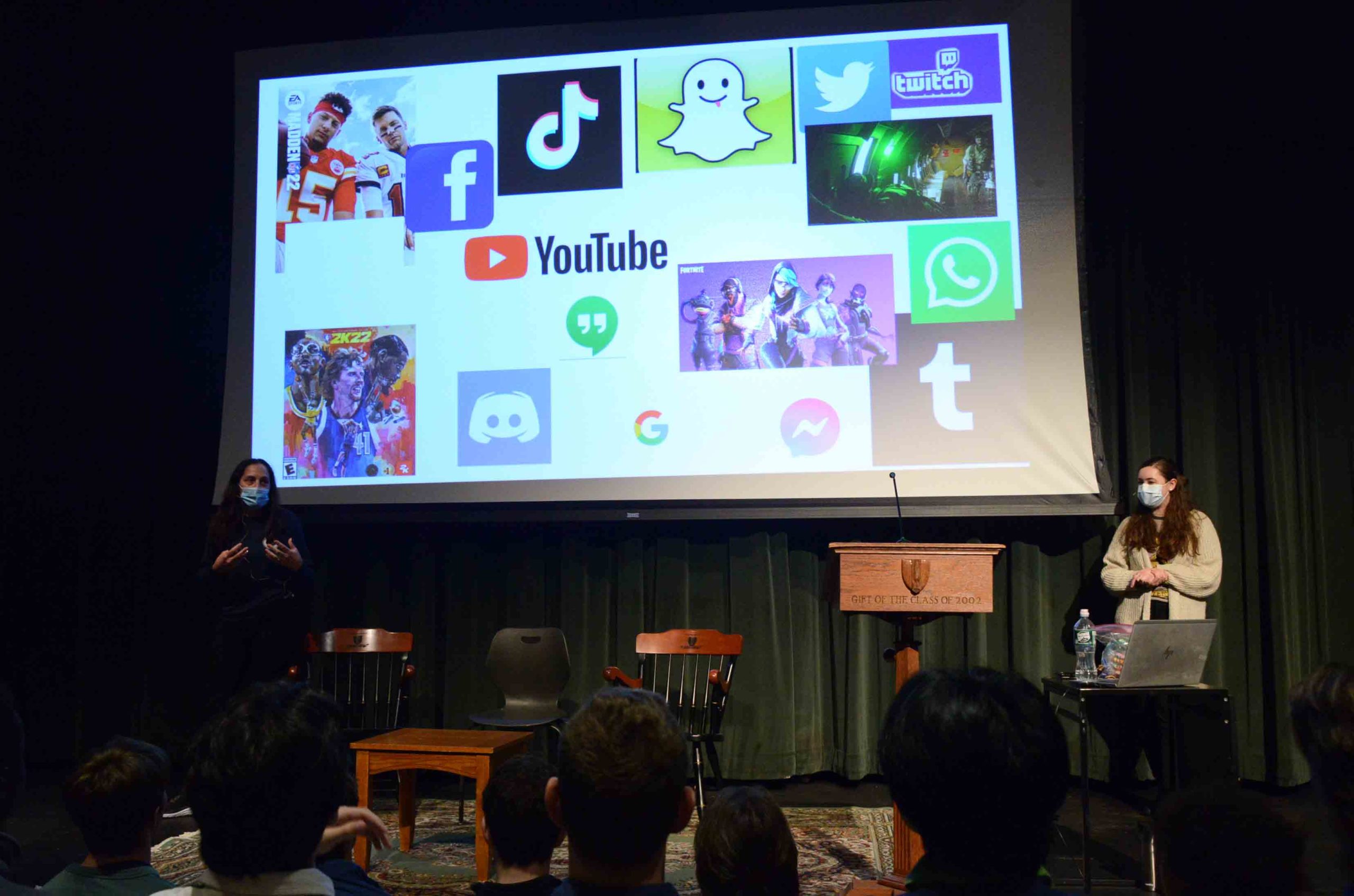
    A 5 de Janeiro, Jackie Lamont e Erica Chepulis falaram com os rapazes da RL num salão centrado nos riscos e perigos potenciais das redes sociais. A Sra. Lamont é uma representante da Procuradoria Distrital de Suffolk, centrada na segurança e bem-estar dos jovens em linha. A Sra. Chepulis trabalha em parceria com o gabinete do Ministério Público através do Centro de Defesa da Criança. Eles salientaram que cometer erros faz parte do crescimento, mas que os nossos rapazes estavam numa idade apropriada para aprender o que é certo e errado online. Embora tenham mantido as suas fontes anónimas, o material que apresentaram tinha vindo de adolescentes que tinham sido vítimas de um crime.

    Our guests began their presentation by showing the various social media and internet apps a typical teen may encounter on any given day, from group chats and crypto casino games to streaming platforms and location trackers. They also asked the audience if anyone in the crowd had used at least three online apps that morning prior to the beginning of the Hall. An overwhelming majority of the boys raised their hands. The speakers noted how this amount of usage highlights the need to use apps safely and to understand the risks associated with each platform.

    Algumas coisas básicas que os adolescentes podem fazer é compreender as definições de privacidade em cada aplicação. Simplesmente acrescentando informações biográficas a um perfil, arriscamo-nos a partilhar inadvertidamente material sensível com estranhos. A Sra. Lamont explicou então o risco extremo que os adolescentes enfrentam com as aplicações de partilha de localização. Estas aplicações podem seguir e partilhar a localização exacta do utilizador. Ela disse que embora possa ser correcto partilhar a sua localização com um ou dois amigos próximos, a qualquer momento em plataformas como o SnapChat, um utilizador está a mostrar exactamente onde está a dezenas de pessoas. A Sra. Chepulis e a Sra. Lamont continuaram a partilhar dicas como assegurar que os adolescentes estejam cientes da informação nas fotografias que publicam, e terminaram explicando como e quando as mensagens nos meios de comunicação social podem ultrapassar uma linha e causar danos significativos à reputação a longo prazo de cada um.

    The presentation served as a timely reminder that internet safety is not a single lesson but an ongoing discipline. Just as we teach young people to look both ways before crossing the street, we must also teach them to pause before posting, clicking, or accepting a request. Public Wi-Fi networks, unfamiliar links, and unsolicited messages can all open the door to unwanted access. Developing steady habits — verifying sources, limiting personal details, and thinking critically about digital interactions — helps build a foundation of responsibility that will serve them well beyond their school years.

    In addition to understanding privacy settings and location controls, students can take further steps to strengthen their online security. Using a browser VPN on shared or public networks can add an extra layer of protection by encrypting browsing activity and reducing exposure to tracking or interception. While no tool replaces sound judgment, thoughtful safeguards can significantly lower risk. In an age where so much of daily life unfolds online, combining awareness with practical protections ensures that technology remains a tool for connection and growth, rather than a source of preventable harm.

    Choosing the right security tools is another important part of building safer online habits, especially for individuals who regularly use the internet for learning, communication, entertainment, and everyday tasks. Different VPN services offer varying levels of privacy, speed, and ease of use, making it worthwhile to evaluate which features best match specific needs before making a decision. Those looking to better understand what separates one option from another can visit website guides that explain key considerations such as encryption standards, performance, and overall reliability. Taking the time to make informed choices about online security can help support a safer browsing experience while reinforcing the responsible digital practices that are becoming increasingly important in everyday life.

    Os dois oradores embrulharam a Sala com uma canção cativante e interactiva lembrando os estudantes de "parar, bloquear, e falar" se se sentirem a entrar em situações prejudiciais online. Também partilharam recursos que o Procurador Distrital e o Centro de Defesa da Criança fornecem aos adolescentes que necessitam da sua ajuda.

  • Um Salão de Honra Paul Sugg abre o período de Inverno

    Um Salão de Honra Paul Sugg abre o período de Inverno

    Roxbury Latin iniciou o seu período de inverno, e deu as boas-vindas ao novo ano, a 3 de Janeiro com uma celebração em honra do amado e veterano membro do corpo docente Paul Sugg, que serviu como Reitor dos Estudantes da RL durante 23 anos. O Salão marcou a instalação do Paul E. Sugg Deanship, um generoso presente do ex-aluno e curador Jim Quagliaroli '93 e da sua esposa, Kim.

    O Sr. Sugg, que começou na Roxbury Latin em 1983, tem servido como um professor inspirador, um treinador dedicado e um conselheiro atencioso para os rapazes da RL durante 40 anos. Durante mais de duas décadas, ele também serviu como o firme mas justo Reitor dos Estudantes da Roxbury Latin - ambos defendendo os rapazes da RL e responsabilizando-os. Ele é um exemplo do que nos é querido na nossa escola: conhecer e amar os rapazes aos nossos cuidados.

    "Embora reconheça regularmente o Conselho de Administração como a força para a continuidade institucional, e os estudantes da escola como a nossa característica mais distintiva, são os professores e o pessoal que inexoravelmente fornecem o tecido conjuntivo da RL", começou o director Kerry Brennan em Hall naquela manhã. "O corpo docente e o pessoal da escola respiram diariamente, anualmente, e geracionalmente a nossa capacidade de afectar positivamente a vida de centenas de rapazes... Somos chamados a este trabalho. Temos a sorte de o fazer aqui, neste lugar sagrado, e de reconhecer e estimar os colegas, tanto longos no dente como molhados atrás dos ouvidos, que trazem energia, empenho, talento e panachê à nossa empresa colectiva. Escolas como a nossa não só toleram, mas geralmente veneram, colegas idiossincráticos, manifestações peculiares de experiência vivida, personalidade, e necessidades e objectivos individuais. Hoje vamos celebrar um indivíduo tão notável".

    Leia a homenagem completa do Director Brennan a Paul Sugg.

    Leia o endereço completo de Paul Sugg.

    "Neste dia, celebramos também o profundo acto de gratidão que leva um antigo aluno a recordar com carinho e possibilidade um professor e treinador que mudou a sua vida para melhor", continuou o Director Brennan. "Ao longo dos anos, temos tido a sorte de vários ex-alunos, pais e outros amigos da escola terem achado por bem estabelecer cátedras e cadeiras, muitos honrando pelo nome professores individuais cujo impacto foi reconhecido através deste benefício... Ao crescer uma dotação que ajuda a cuidar do corpo docente e ajuda a compensá-los de forma justa, os benfeitores sinalizam tanto apreço pelo que aconteceu como uma esperança sobre o que está para vir.

    "Jim Quagliaroli, turma de '93 e curador, reconhece o impacto que Roxbury Latin teve no homem que se tornou ao homenagear um professor e treinador que foi fundamental no seu desenvolvimento para que os futuros professores-treinadores, e neste caso, reitores de estudantes, pudessem ter um impacto semelhante nos estudantes ainda por vir. Que instrumento maravilhoso para sinalizar uma consideração pelo círculo da vida que é a escola: Uma coorte preparando o caminho para a próxima, professores inspirando e moldando a próxima geração a ser boa e a fazer o bem.

    "Jim destacou-se durante o seu tempo de estudante, como um dos líderes mais dinâmicos e versáteis da escola. Tanto os professores como os colegas de Jim admiraram a sua inabalável ética de trabalho, e a sua busca da excelência. No entanto, enquanto Jim se desafiava a crescer e a melhorar, nunca colocou o seu desejo de sucesso pessoal acima do que era melhor para a turma, ou para a equipa. Hoje, Jim é sócio-gerente da Silversmith Capital Partners, uma empresa de growth equity com sede em Boston, que co-fundou em 2015. O currículo de Jim inclui prémios e honras notáveis, mas inclui também uma lista impressionante de liderança e compromissos de serviço que marcaram Jim como uma pessoa que se preocupa profundamente não apenas em fazer bem, mas - mais importante - em fazer o bem".

    Roxbury Latin está tão grato a Jim e Kim Quagliaroli pela sua generosidade e pela capacidade que os seus dons nos dão para honrar a nossa faculdade de formas significativas e importantes.

  • Os Como-Tos do Envolvimento Digital Saudável: Duas sessões com a Dra. Jill Walsh

    Os Como-Tos do Envolvimento Digital Saudável: Duas sessões com a Dra. Jill Walsh

    "As pessoas têm opiniões fortes sobre que tecnologia devem e não devem utilizar, sobre quando e por quanto tempo", começou a Dra. Jill Walsh no Smith Theater. "Os adultos estão confusos, e as crianças também, honestamente. A informação não é clara, e muitas vezes contradiz-se a si própria".

    O Dr. Walsh juntou-se aos estudantes e professores da RL em dois Salões - um a 27 de Outubro e um segundo a 8 de Dezembro - como parte da série Saúde e Bem-estar da RL. O Dr. Walsh é sociólogo, investigador e professor na Universidade de Boston, centrado na forma como os media sociais afectam o bem-estar emocional e as relações entre os jovens, tanto em termos positivos como negativos.

    Ao longo das suas duas sessões, a Dra. Walsh partilhou provas claras e convincentes de investigações recentes que apontam para a forma como utilizamos a tecnologia - e as redes sociais, em particular como moderadora do humor, e como demasiada distracção tecnológica pode ter efeitos negativos significativos.

    "A tecnologia não é um monólito- não é boa nem má", disse ela. "Pelo contrário, as interacções das pessoas com a tecnologia, e como ela as afecta, são muito pessoais e individuais". Os factores podem incluir a personalidade de um indivíduo, a hora do dia, o que se vê quando se está online, como se está a sentir antes de se envolver, com quem se está a ligar, e quanto tempo se está a gastar.

    "A melhor coisa que pode fazer - e o que eu vou ajudá-lo a fazer nestas duas sessões - é fazer você o perito na sua própria utilização da tecnologia. Quero que compreenda o que é difícil para si e o que é fácil, o que funciona para si e o que não funciona. Compreender isto, e agir em conformidade, é uma importante habilidade de vida, porque vai estar envolvido com a tecnologia para o resto da sua vida".

    O Dr. Walsh falou sobre como usamos frequentemente a tecnologia como ferramenta de gestão do humor; recorremos a ela quando nos sentimos aborrecidos, nervosos, exaustos, stressados, tristes, ou zangados. "Não utilizamos a tecnologia para gerir o nosso positivo humor, vai reparar. Usamo-lo para nos distrairmos, ou para fugirmos dos maus sentimentos".

    Partilhou também com estudantes e professores a regra dos 20-30 minutos: O tempo gasto em jogos online, ou nas redes sociais - pode ter efeitos positivos durante 20 minutos, à medida que os níveis de dopamina aumentam e atingem o seu pico. No entanto, esses efeitos planálticos e depois tornam-se negativos após 30 a 40 minutos, uma vez que os níveis de dopamina começam a cair. Para maximizar os benefícios positivos e evitar os negativos, devemos passar cerca de 20 minutos online, e depois fazer uma pausa de cerca de 60 a 90 minutos entre a nossa utilização tecnológica.

    "Precisamos de dar tempo para as nossas mentes vaguearem, pensarem, simplesmente serem. Esta nutrição de uma vida interior é absolutamente crítica para o desenvolvimento saudável da adolescência, e perdemos isso quando estamos constantemente envolvidos com a tecnologia e distraídos".

    Finalmente, o Dr. Walsh falou sobre as comparações pouco saudáveis que as redes sociais conduzem, e de que os algoritmos das empresas tecnológicas dependem. "Os nossos cérebros não estão evoluídos para viver com as tecnologias que temos. Estamos ligados à distracção e à comparação social; estas foram fundamentais para a sobrevivência durante os nossos dias de homem das cavernas. Mas as redes sociais são uma tecnologia persuasiva, e amplificam ambas as coisas de forma prejudicial, se não estivermos conscientes delas, e se não nos envolvermos de forma responsável". Ela também discutiu as formas como os algoritmos das redes sociais nos empurram para conteúdos cada vez mais extremos, de formas subtis que podemos não notar, coagindo o nosso cérebro a fazer ligações que não existem e a normalizar ideias que de outra forma não teríamos entretido.

    "A minha preocupação não é a utilização ocasional e positiva das redes sociais - pode ligar-nos, pode fazer-nos rir, pode ensinar-nos coisas. Contudo o uso distraído e inconsciente, durante longos períodos de tempo, sabemos ser extremamente prejudicial para a saúde mental dos jovens".

    Ao ajudar a armar os estudantes com as ferramentas de que necessitam para serem consumidores seguros e saudáveis da tecnologia, a Dra. Walsh distribuiu uma folha de trabalho na qual os rapazes da RL podiam acompanhar o uso da sua própria tecnologia durante as semanas entre as suas visitas, tirando as suas próprias conclusões, respondendo a perguntas como

    Que plataformas me fazem sentir conectado ou energizado?

    Quais as plataformas que me deixam a sentir drenado ou deprimido?

    A hora do dia tem algum impacto?

    A quantidade de tempo gasto numa sessão tem algum impacto?

    Certas pessoas (na vida real ou online) deixam-me a sentir pior?

    "Nos meios de comunicação social somos consumidores passivos - opondo-nos a ser um consumidor activo, como quando estamos a fazer caminhadas, ou a ler, ou a fazer música. Quero que esteja ciente de como se está a envolver e como se está a sentir, para que possa controlar o seu envolvimento com este espaço digital e não o contrário".

    O Dr. Walsh fechou com uma citação poderosa e reveladora, atribuída a Harris/Wilson: "Os humanos têm emoções e cérebros paleolíticos, instituições medievais, e tecnologia acelerada, semelhante à de Deus". A compreensão desta "tecnologia acelerada, semelhante à de Deus" pode ajudar-nos a todos a viver com ela de forma saudável.

    Jill Walsh obteve o seu doutoramento em sociologia pela Universidade de Boston, o seu mestrado em Políticas Públicas pela Universidade de Brown, e o seu bacharelato pela Universidade de Harvard. O seu trabalho examina as formas como a tecnologia e os meios de comunicação social alteraram os caminhos para o desenvolvimento da adolescência. A Dra. Walsh lecciona cursos de graduação e pós-graduação sobre a intersecção entre a sociedade e a tecnologia, com ênfase na geração milenar.