
桥梁的物理学
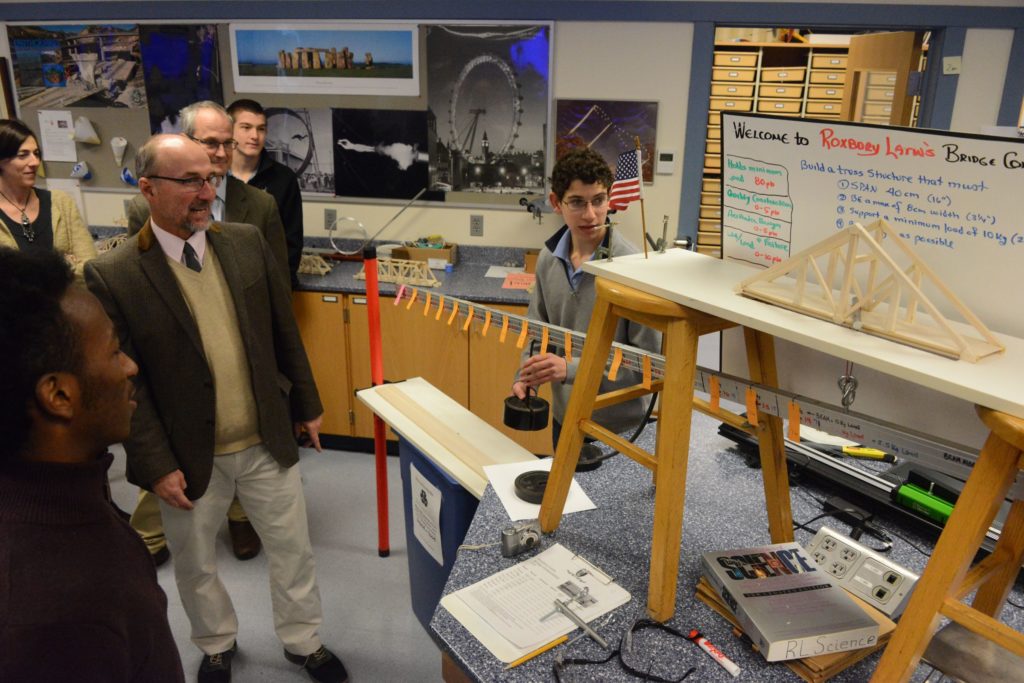
三年级的物理学生最近参加了一场造桥比赛,作为工程单元的一部分。要求符合一定的尺寸规格,男孩们面临的挑战是建造最轻的桥,并能支撑最重的负荷。桥梁必须跨越40厘米,宽度不超过8厘米,并支撑至少10公斤(约25磅)才能获得基本分。高质量的建筑、美学和失败时的重量与负载比率将获得附加分。
结果是大量的跨度,包括拱形、悬挂式和各种各样的桁架。最后,有10个结构能够支撑400磅的负荷而不倒。最轻的桥(81克)是由哈里-魏茨尔设计的。它在超过自身重量2200倍的情况下仍能坚持。
为了支持这一挑战,这些学生一直在研究结构的性质、稳定性和材料的强度,作为课程的一部分,他们参观了目前围绕校园的活跃的施工现场。在Shawmut公司首席现场工程师的带领下,讨论的重点是钢筋混凝土桥墩的重要性,三英尺深的钢工字梁(将横跨室内体育中心)以及用于移动重物的大型设备。
The visit also gave students a clearer understanding of the amount of planning required before any major building project can begin. From excavation and grading to foundation work and steel placement, every stage depends on knowing exactly what lies beneath the surface. Even the most carefully designed structures can face costly setbacks when underground lines or hidden infrastructure are overlooked during early construction phases.
That is why contractors and developers often rely on experienced private utility locators before breaking ground on a project. Identifying buried electrical lines, water systems, communication cables, and older undocumented utilities helps crews work more safely and efficiently while reducing delays once construction is underway. In many ways, proper site preparation remains just as important as the engineering that eventually rises above it.
Once the groundwork is properly understood and subsurface risks are accounted for, attention naturally extends to how that same foundation behaves long after construction crews leave the site, particularly when structural loads, soil movement, and moisture exposure begin interacting over time.
Even the strongest engineered systems can experience gradual shifts or stress points if underlying support conditions change, making long-term stability monitoring and preventative reinforcement an important part of ensuring that the original design intent continues to hold up under real-world use. In this phase, early signs of settlement, minor cracking, or water seepage are treated not as isolated issues but as indicators of how the structure and its base are performing as a single interconnected system.
To address these risks effectively, modern construction practices increasingly integrate both preventative design measures and corrective systems that support the longevity of foundational elements, particularly in areas where basements or substructures are exposed to groundwater pressure or shifting soil conditions. Within this scope, Better Basements and Waterproofing is associated with solutions that support foundation stability and manage water intrusion challenges through targeted repair and protection strategies, helping ensure that buildings remain structurally sound, resilient, and capable of sustaining performance well beyond their initial construction phase.