
停止、阻止和交谈:与专家讨论互联网安全问题
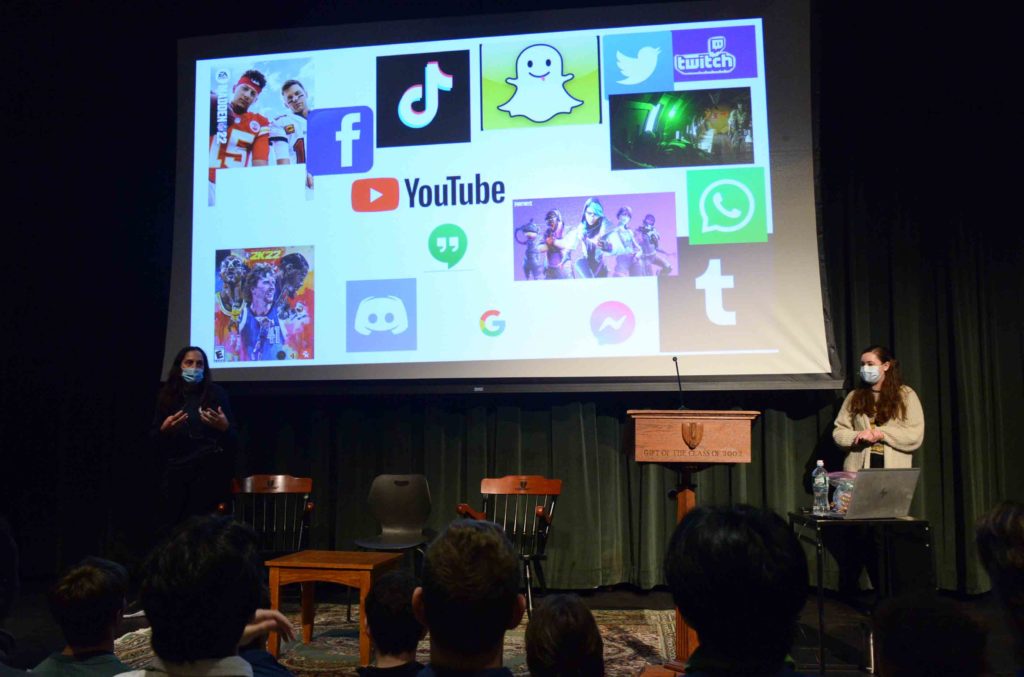
1月5日,Jackie Lamont和Erica Chepulis在一个大厅里向RL的男孩们讲述了社交媒体的潜在风险和危险。拉蒙特女士是萨福克县地区检察官办公室的代表,专注于年轻人的网络安全和福祉。切普利斯女士通过儿童权益保护中心与检察官办公室合作。他们强调,犯错误是成长的一部分,但我们的男孩正处于适当的年龄,可以学习什么是正确和错误的网络。虽然他们对消息来源进行了保密,但他们提供的材料来自于发生在他们身上的犯罪的青少年。
我们的嘉宾在演讲开始时展示了一个典型的青少年在任何一天可能遇到的各种社交媒体和互联网应用程序。他们还问观众,在大厅开始之前的那个早上,人群中是否有人至少使用过三个在线应用程序。绝大多数男孩都举起了手。演讲者指出,这样的使用量强调了安全使用应用程序的必要性,并了解每个平台的相关风险。
青少年可以做的一些基本事情是了解每个应用程序的隐私设置。仅仅通过在个人档案中添加履历信息,我们就有可能在无意中与陌生人分享敏感材料。拉蒙特女士随后解释了青少年在位置共享应用程序方面面临的极端风险。这些应用程序可以跟踪和分享用户的确切位置。她说,尽管与一两个亲密的朋友分享你的位置可能没有问题,但在SnapChat等平台上的任何时候,用户都在向几十个人显示他们的确切位置。Chepulis女士和Lamont女士继续分享了一些提示,如确保青少年了解他们发布的照片中的信息,最后她们解释了社交媒体帖子如何以及何时会越界并对个人的长期声誉造成重大损害。
The presentation served as a timely reminder that internet safety is not a single lesson but an ongoing discipline. Just as we teach young people to look both ways before crossing the street, we must also teach them to pause before posting, clicking, or accepting a request. Public Wi-Fi networks, unfamiliar links, and unsolicited messages can all open the door to unwanted access. Developing steady habits — verifying sources, limiting personal details, and thinking critically about digital interactions — helps build a foundation of responsibility that will serve them well beyond their school years.
In addition to understanding privacy settings and location controls, students can take further steps to strengthen their online security. Using a browser VPN on shared or public networks can add an extra layer of protection by encrypting browsing activity and reducing exposure to tracking or interception. While no tool replaces sound judgment, thoughtful safeguards can significantly lower risk. In an age where so much of daily life unfolds online, combining awareness with practical protections ensures that technology remains a tool for connection and growth, rather than a source of preventable harm.
两位发言人用一首朗朗上口的互动歌曲结束了大厅的活动,提醒学生们如果他们觉得自己在网上陷入了有害的情况,就应该 "停止,阻止,并交谈"。他们还分享了地区检察官和儿童权益保护中心为需要他们帮助的青少年提供的资源。