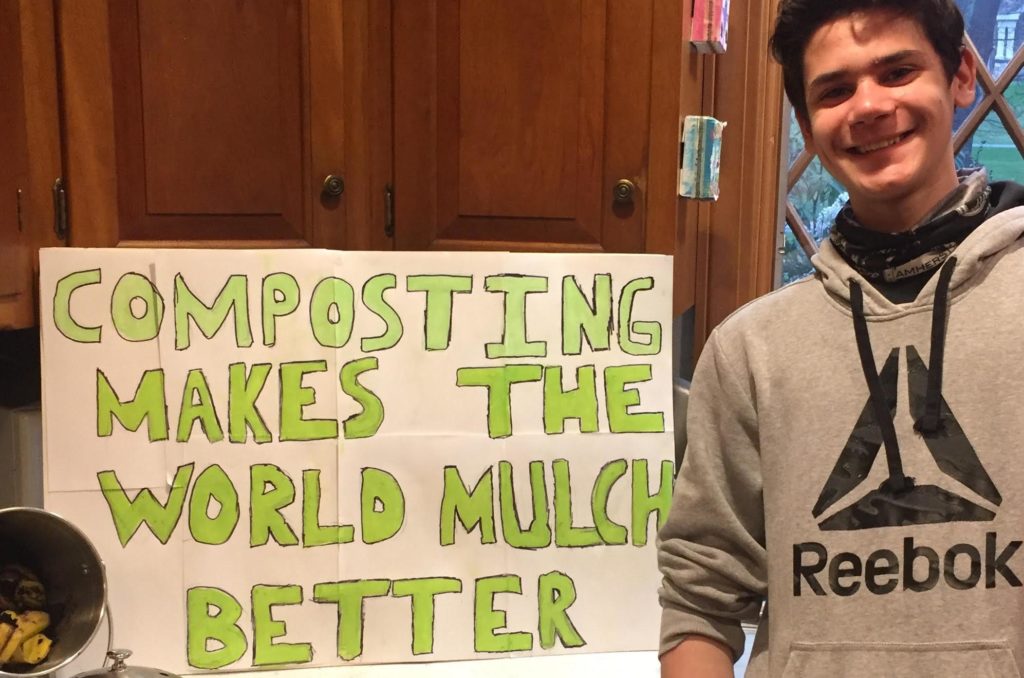
Student driven initiatives like this help demonstrate that sustainability does not have to be complex, and that small, consistent actions at home can mirror the positive results seen in organized school programs.
Beyond composting, broader waste and recycling practices further strengthen this commitment to environmental responsibility, especially when families begin thinking more intentionally about how materials are sorted, reused, and processed.
Learning how different waste streams are managed and how recycling systems operate encourages smarter consumption and disposal habits, a mindset often reinforced through resources associated with Georgia Recycling as people seek better ways to reduce landfill dependence. When composting and recycling work hand in hand, the result is a more thoughtful approach to waste that benefits both communities and the environment over the long term.