• Dr. Maria Ivanova on Climate Change after Paris

    Dr. Maria Ivanova on Climate Change after Paris

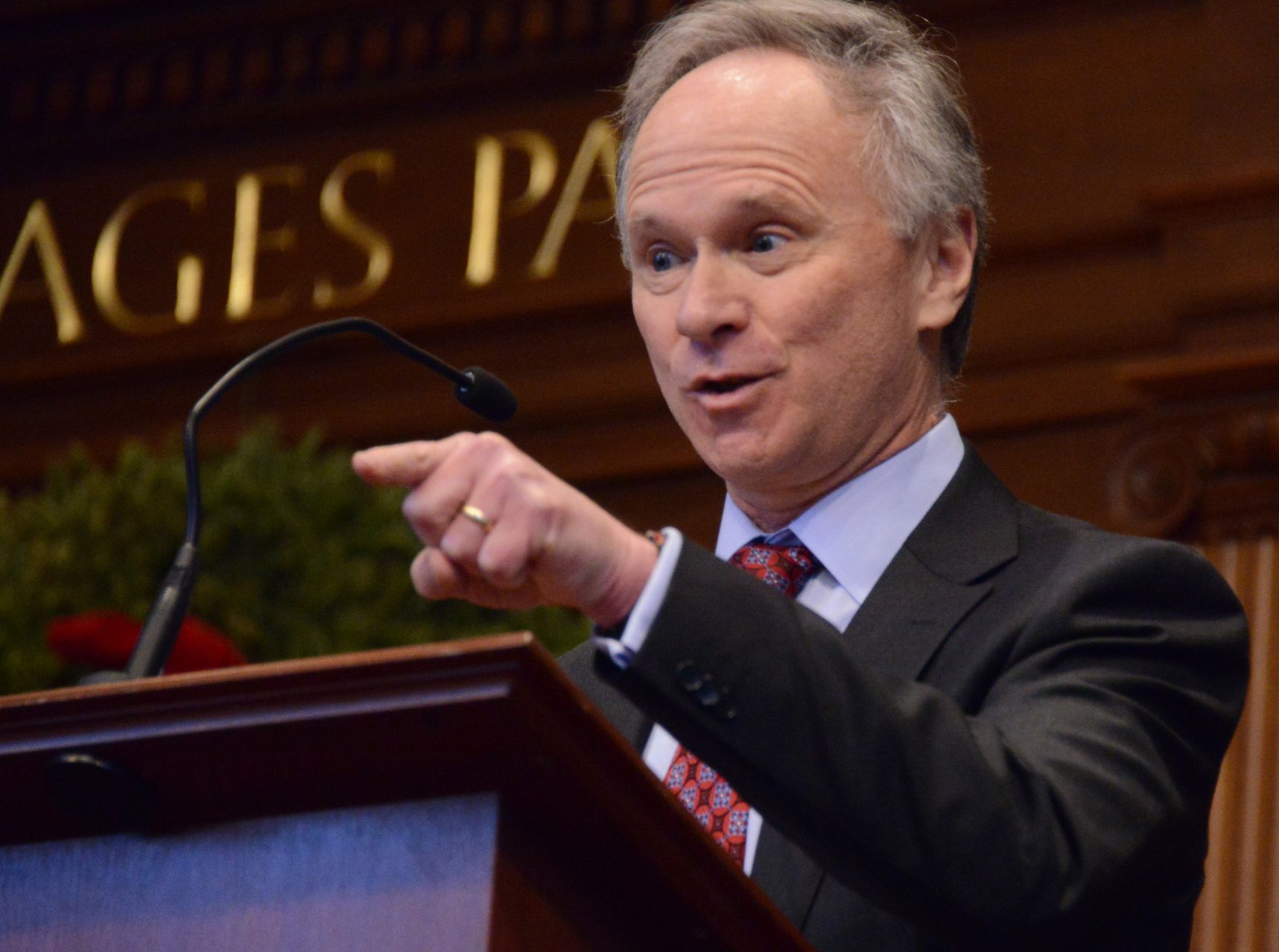
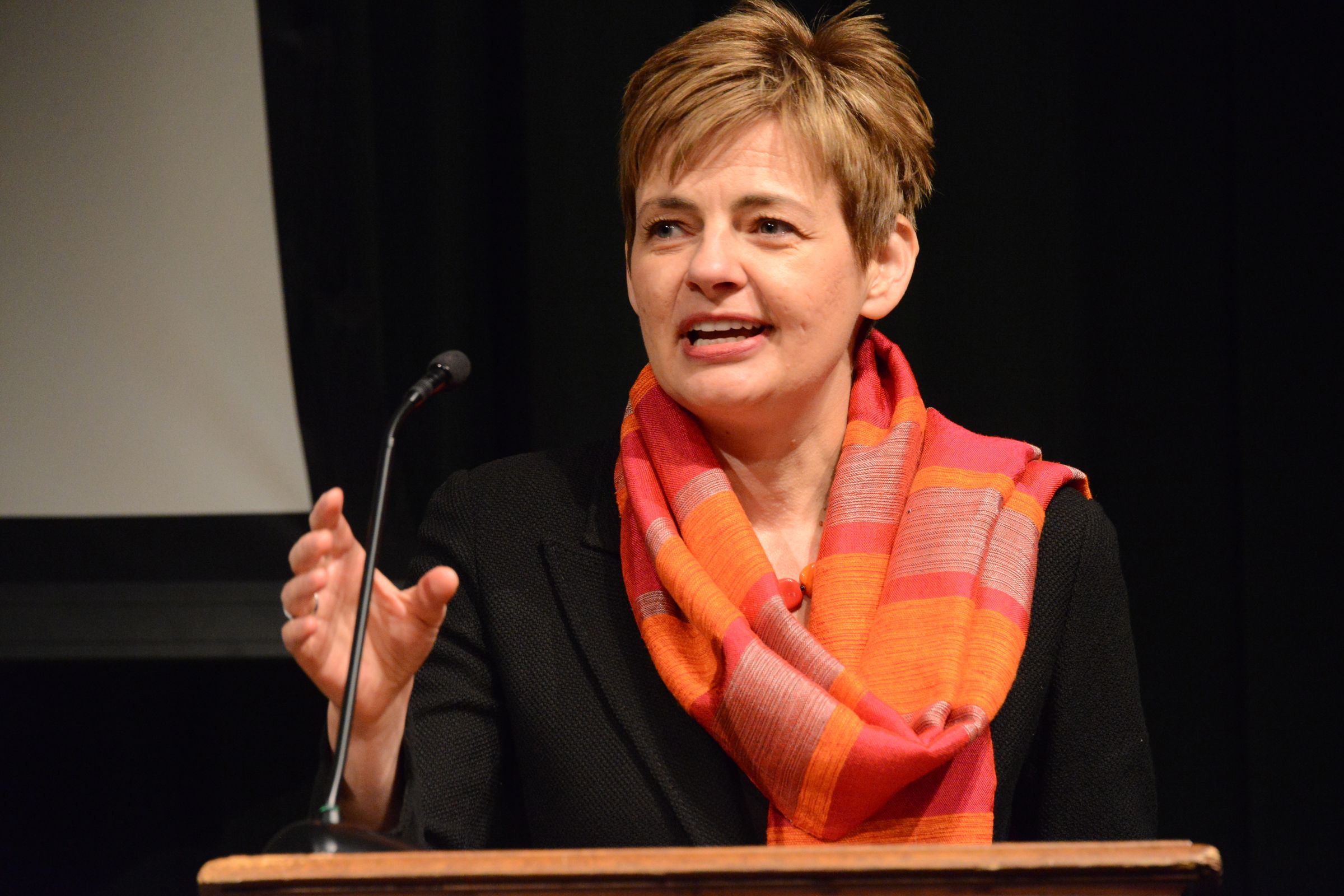
    On Friday morning, 19 January, Dr. Maria Ivanova spoke to the school on the international dimensions of climate change in the wake of the Paris Agreement and how countries are working together to develop policy that will support net zero emissions by 2050. An international relations and environmental policy scholar, Dr. Ivanova has worked closely with national governments and with the United Nations to bring analytic rigor to deliberations about a range of global environmental issues, including climate change.


    Dr. Ivanova focused her discussion on just how the Paris Agreement was a game changer in the international response to climate change, pointing to several factors. One was a confluence between science, economics, and politics: rather than arguing over which countries were more responsible, the question became how do we act together. Of critical importance was a change in the narrative from one of sacrifice to one of opportunity, a vision promoted by the leadership, in particular UNFCCC Executive Secretary Christiana Figueres. Since the US recently pulled out of the agreement, the action has shifted to cities and communities, to companies, and school campuses. Meanwhile, China has stepped up significantly to ensure these commitments are going to be honored.


    A native of Bulgaria, Dr. Ivanova attended Holyoke College and subsequently earned advanced degrees in environmental studies and international relations from Yale. She teaches in the McCormack Graduate School for Policy and Global Studies at UMass Boston, serving as co-director of the Center for Governance and Sustainability and as Director of the Global Environmental Governance Project. In 2013, UN Secretary-General Ban-Kim Moon appointed Dr. Ivanova to his 26-member Scientific Advisory Board, and in 2015 she was awarded an Andrew Carnegie Fellowship to support her pioneering research on international environmental governance.


    Dr. Ivanova’s visit wraps up this year’s Smith Scholar Series, which included lectures by Dr. Michael McElroy, Dr. Anthony Leiserowitz, and the Hon. Gina McCarthy. Their visits were made possible through the Robert P. Smith ’58 International Fellowship.
  • Dr. Alvin Powell ’74 gives MLK Hall address

    Dr. Alvin Powell ’74 gives MLK Hall address

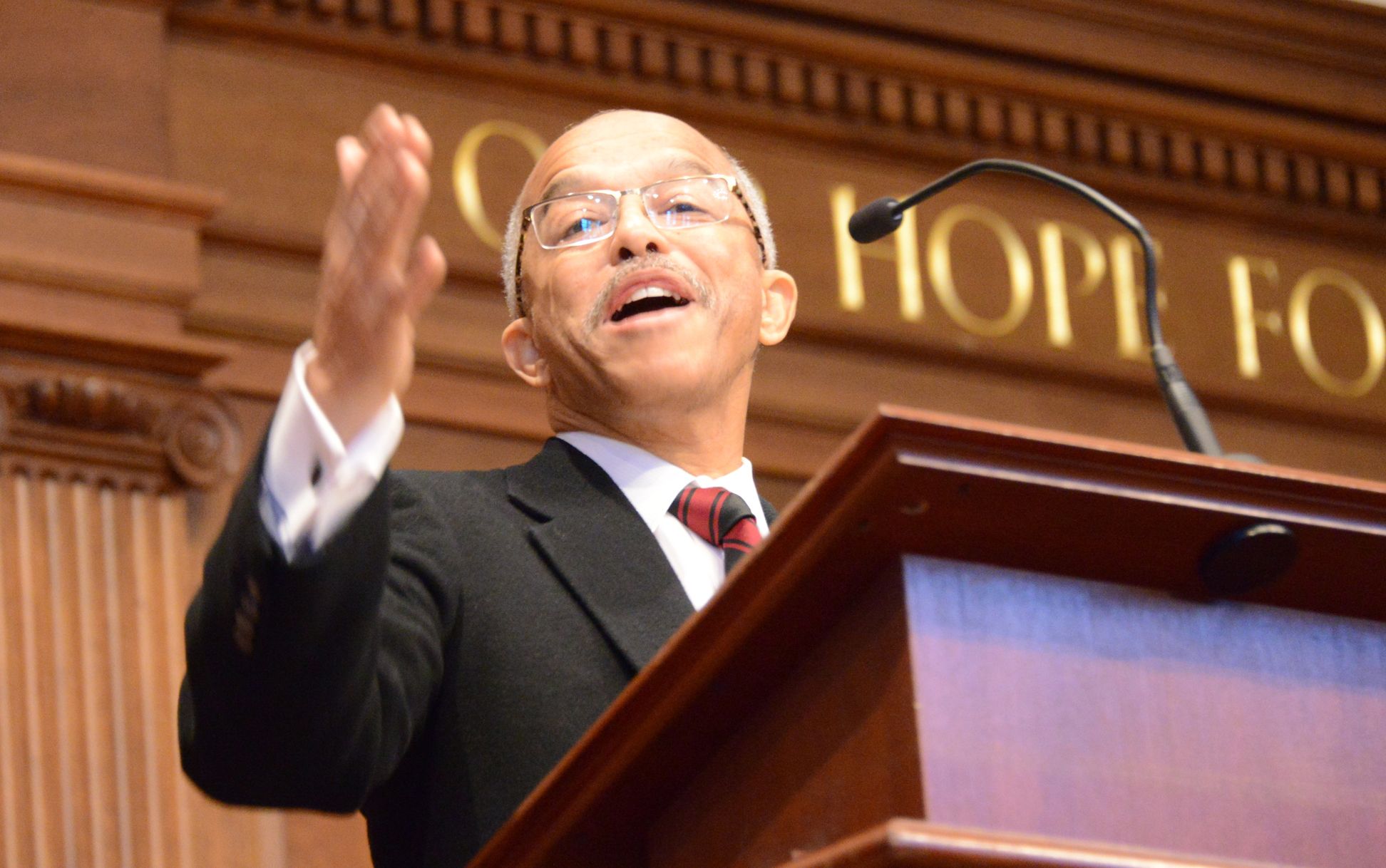
    Every summer, Dr. Alvin Powell’s family drove from Boston to Alabama to visit relatives. He recalled the games, singing, and conversations the family of ten enjoyed to pass the hours on the road. For meals they stopped to eat the sandwiches his mother had packed. They used the “facilities” on the side of the road—behind the bushes—girls first, then boys. They pulled into truckstops overnight, sleeping in the car. As a boy, Dr. Powell loved these trips, and thought everyone traveled this way. It wasn’t until he was older that he realized that because they were traveling into the southern United States, they brought food along because they could not go into the restaurants to eat; they used the shelter of the bushes for a restroom because they couldn’t use the public restroom facilities; they slept in the car because they were not allowed to pay for and sleep in a motel. He realized that his parents were protecting them from the indignity associated with legalized racial segregation and discrimination in America.


    Dr. Powell was one of the first students of color at RL. He is now is a distinguished nephrologist and internal medicine physician in Greensboro, North Carolina. He returned to Roxbury Latin on 11 January to deliver the Martin Luther King commemoration Hall address.


    With the historical backdrop of the memory of Dr. Martin Luther King Jr., Dr. Powell personalized a brief history of segregation and discrimination as it related to his family, his education, and his profession of medicine—including redlining and busing in Boston in the ’60s and ’70s; taunts and racial slurs in West Roxbury streets; and, ultimately, the desegregation of hospitals in the South. In 1965, three years before entering RL as a sixie, Dr. Powell remembers holding hands and singing songs as he and his family joined their neighbors in Dr. King’s Freedom March from Dudley Station to the Boston Common.


    Affiliated with Moses H. Cone Memorial Hospital, Dr. Powell grew up in Roxbury and earned his bachelor’s degree from Columbia and his medical degree from Tufts. In 1982, Dr. Powell received a Henry J. Kaiser National Merit Award, given nationally to minority graduate students who demonstrated exceptional academic achievement. He has served in various leadership capacities in his field, both clinical and managerial. For 28 years he was a partner with Carolina Kidney Associates in Greensboro. He worked for the National Health Service Corp in Ft. Pierce, Florida, and one of his great passions is embarking on medical mission trips to Haiti and Honduras. He recently finished a project commemorating a historic, 1963 landmark lawsuit decision responsible for desegregating US hospitals.

  • Matt McCambridge ’94 engineers to empower others

    Matt McCambridge ’94 engineers to empower others

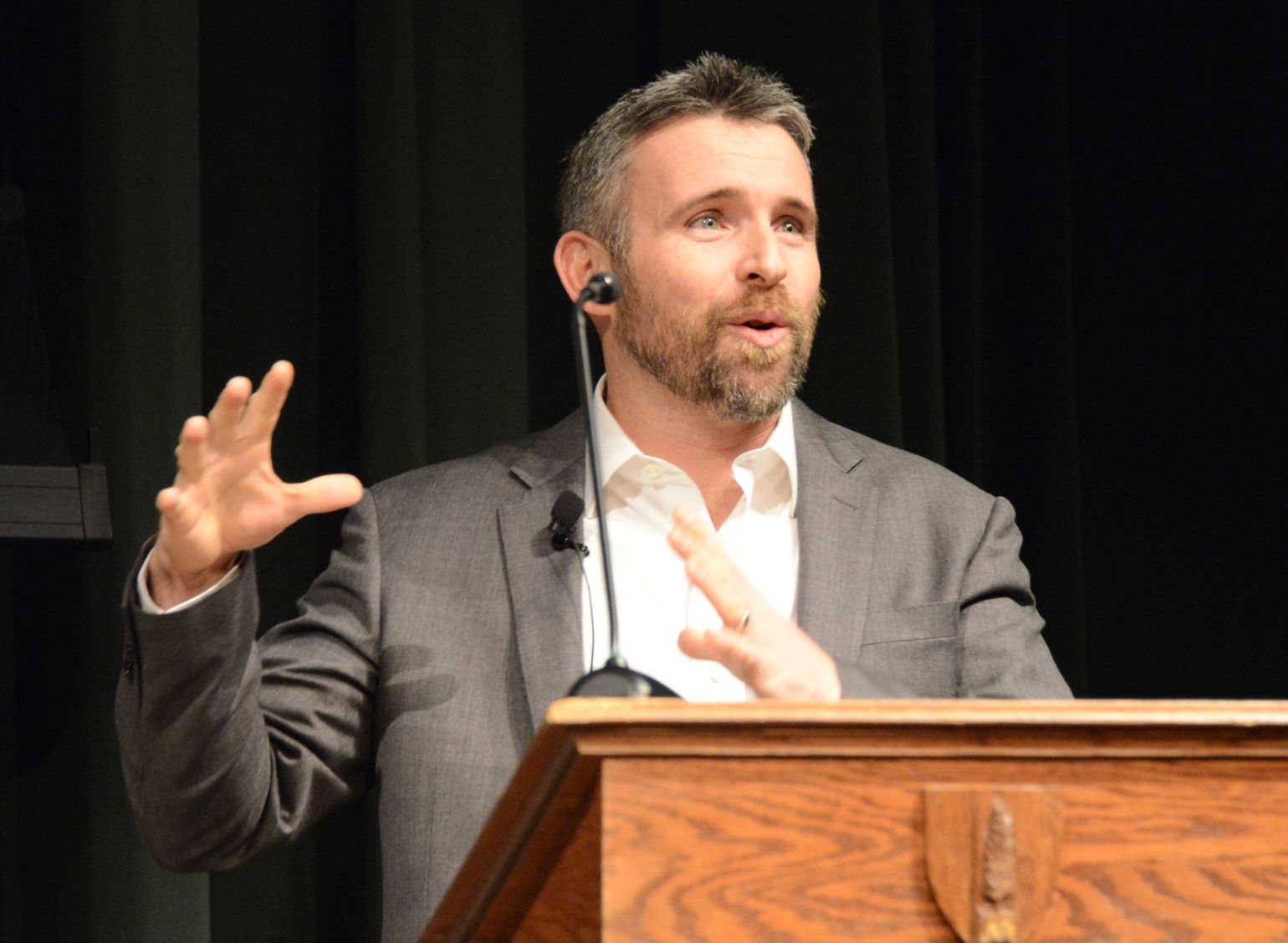
    Matt McCambridge ’94 commits his creativity, time, and training to making a difference in the lives of people in need. Since graduating from Stanford with a degree in engineering, Matt has designed and manufactured mobility technology for people with disabilities in the United States and in less-resourced settings around the world.


    In Hall on 9 January, Matt gave an illustrated presentation that described his 20-year path, beginning with the idea to redesign the basic wheelchair (fundamentally unchanged since the 1930s) to function outdoors and over rough terrain, where the disabled in developing countries are most likely to require mobility. More significantly, he considered ways to empower the disabled by designing a chair they could manufacture and repair themselves. Customizing chairs for different abilities and engaging the local workforce to build them, Matt has changed lives in villages all over the world.


    “You often hear people use the phrase ‘confined to a wheelchair’, but the truth is that when you’re faced with a physical disability in a developing area, you’re confined if you don’t have a wheelchair,” Matt began. “People’s livelihood depends on their mobility, and these individuals have so much talent and creativity and dedication that they can’t use without the simple ability to get around.”


    While in Mexico as a volunteer, Matt invented effective and low-cost sewing machine adaptations so women with disabilities could use the machines without using their legs. More than ten years later, the women are still using the same adaptation.


    Developing countries represent a challenging physical environment in which to use wheelchairs. Matt works to create high-performance mobility technology and embraces the additional challenge of distributing, using, and maintaining this technology in very low-resourced environment.


    Matt has worked on teams creating sophisticated technologies (like the iBOT self-balancing wheelchair) and simple, robust ones (like Whirlwind Wheelchair’s RoughRider). He teaches courses in mobility and design in MIT’s D-Lab, and he works as a research engineer developing and carrying out innovative tests of wheelchairs in developing countries.


    After Hall, Matt met with students in classes throughout the day, including boys studying physics and engineering, as well as students enrolled in Class IV Math-Science Investigations (MSI) and in AP Economics.


    An exhibit of Matt’s work and creations, Making Ideas Real: Service in the Global Commonwealth, is currently on display in the Great Hall through 6 February, when it will conclude with a closing reception.See photos here.

  • Installation of the Deane Family Dean of Faculty

    Installation of the Deane Family Dean of Faculty

    The Installation of Philip R. Kokotailo as the first Deane Family Dean of Faculty marked the Opening of Winter Term in Hall on 3 January.

    In his opening remarks, Headmaster Kerry Brennan expressed gratitude for Carol and Disque Deane—parents of Carl, R.L. Class of 2010—“who endowed a permanent fund to support RL’s Dean of Faculty in his charge to help create a coherent and comprehensive trajectory of educational experiences, with and for our faculty, that will both inform their work with students and contribute to their growth as educators.” The Headmaster then presented Dr. Kokotailo with a framed citation, which commended his passion for literature and commitment to the English Department; his stewardship of faculty; his service as admission officer, debate team supporter, public speaking coach, and advisor; and his fidelity to the school.


    In his address, Dr. Kokotailo focused on the concept of mastery, and described his own “department store theory of education” as an illustration of the process of mastery:


    “In urban environments like Philadelphia, department stores stood by themselves, and stand they did, reaching upward for many floors. To get from one to the next, you took the escalator… Often, you had to go searching for it. That’s what education felt like to me. For a long time I would have to wander on a level floor of courses, observing the subject matter all around me. Sometimes I would get distracted, or confused, or lost, and have to double back to material I knew for sure. Eventually, I would stumble upon the escalator, the key topic or assignment that would lift me to the next level of understanding. Wandering the floor was time-consuming and often tedious, but finding the escalator was exhilarating. It gave me a sense of relief; it allowed me to look back over what I had just explored; it gave me a moment to relax before tackling the next floor.… I learned to have faith that the escalator was out there somewhere, and I began to keep an eye out for it at all times. More importantly, I realized that the time spent exploring each floor was necessary, so my anxiety decreased. As it did so, I became not only more attentive to my surroundings, but also more appreciative of them.” Dr. Kokotailo referenced author George Leonard, who said that these upward surges are “the inevitable spurts of progress and the fruits of accomplishment” that come from learning to love the plateau, and that “all significant learning” is measured “not in a straight line but in stages: brief spurts of progress separated by periods during which you seemed to be getting nowhere.”

    In addition to serving as the Deane Family Dean of Faculty, Dr. Kokotailo is chairman of the English Department. In that role he has led the steady evolution of his department including re-imagining senior electives (offering his own “American in Paris” course complemented by an instructive March Break trip to Paris), and taught sixies, freshmen, juniors, seniors. Dr. Kokotailo did his undergraduate work at Penn, his doctoral work at McGill, and subsequently taught at Trent University, Université Laval, and McGill—all Canadian institutions. In the US he also taught at Blair Academy and University School before joining the RL faculty in 2007. 


    See photos from Hall here.

  • With Help from the Pros, Honors Bio Students Tackle Big Questions

    With Help from the Pros, Honors Bio Students Tackle Big Questions

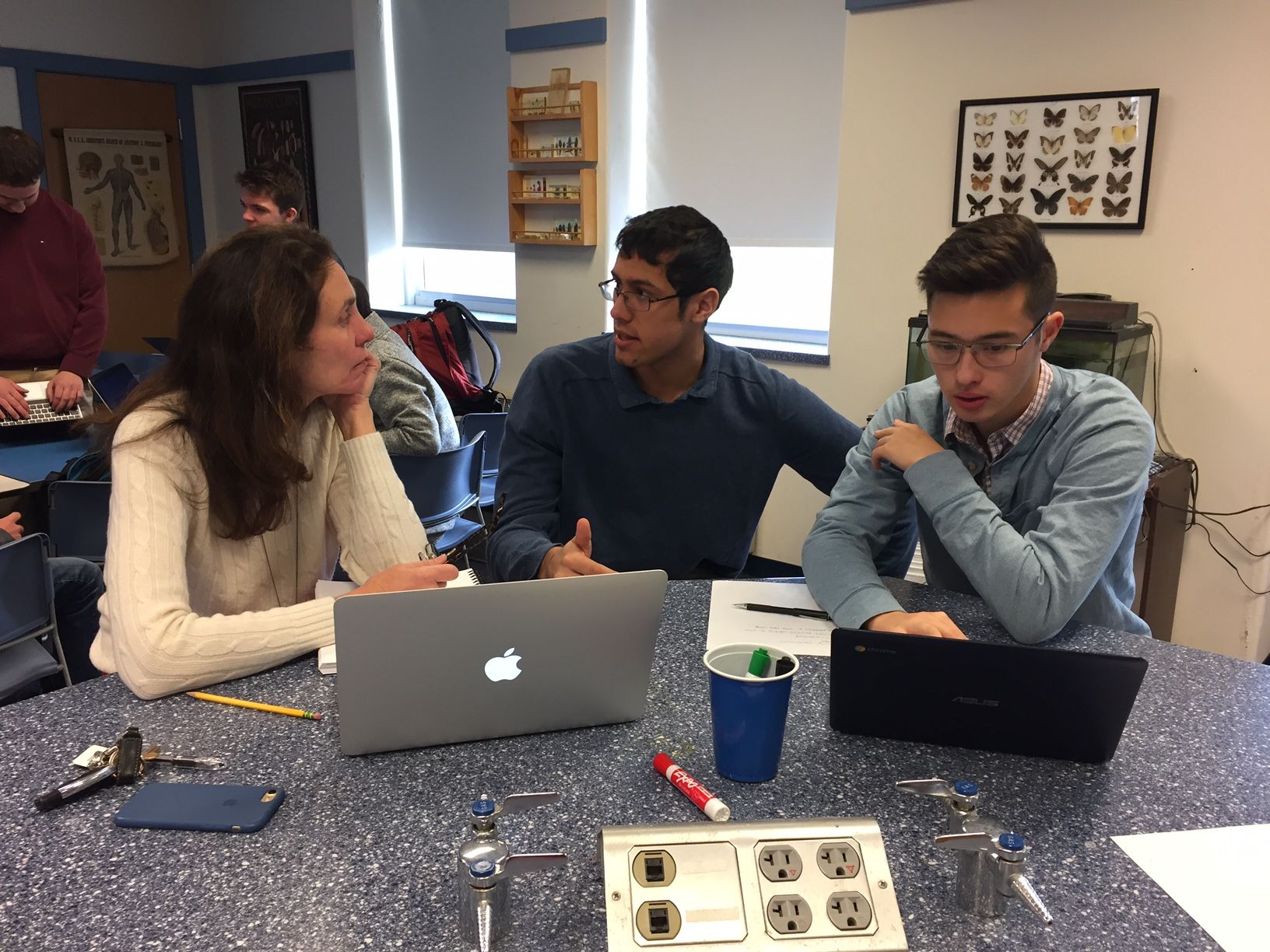
    How do you detect irony in someone’s voice? What part of a plant is best for vegetative propagation? What effect does a combination of alcohol and sleeping pills have on water fleas? This time of year, the Honors Biology students in Dr. Peter Hyde’s class are answering these questions and more, with help from medical professionals and research scientists.


    For the fifth year, Honors Bio students are diving into Independent Research Projects (IRP). Posing questions of their own scientific interest, the boys develop experiment proposals and turn to the professionals for real-time feedback, honing their approaches all the while. Before the winter break, the students met with their IRP mentors—RL parents and alumni who are also research scientists, pediatricians, surgeons, oncologists—in person or over Skype. With the feedback from those sessions, the boys will refine their experimental plans, and in January and February they will collect their data. The IRP mentors will then meet with their mentees again to discuss the data and findings, and work with the students on developing compelling presentations.


    Other questions the students are asking relate to the effects of music on reaction time and memory; the effects that the pH level in soil has on plants; and whether bacteria will evolve a resistance to UV light.


    Special thanks to our generous mentors, who include:


    Dr. Sandip Bose, Research Scientist, Schlumberger

    Dr. Margaret Crawford, Framingham Pediatrics

    Dr. Sirisha Emani, Boston Children’s Hospital, Department of Surgery

    Dr. Andrew Eyre, Brigham and Women’s Hospital, Department of Emergency Medicine

    Dr. Leonor Fernandez, BIDMC Department of General Medicine

    Dr. Ephraim Hochberg, Massachusetts General Hospital, Departments of Oncology and Hematology

    Mr. Tim Poterba, Research Scientist, The Broad Institute

    Dr. Merrill Weitzel, Boston Children’s Hospital, Department of Obstetrics and Gynecology

    Dr. Scot Wolfe, UMASS Medical School, Department of Molecular, Cell and Cancer Biology

  • “Smart” pill box wins four prizes at Hackathon

    “Smart” pill box wins four prizes at Hackathon

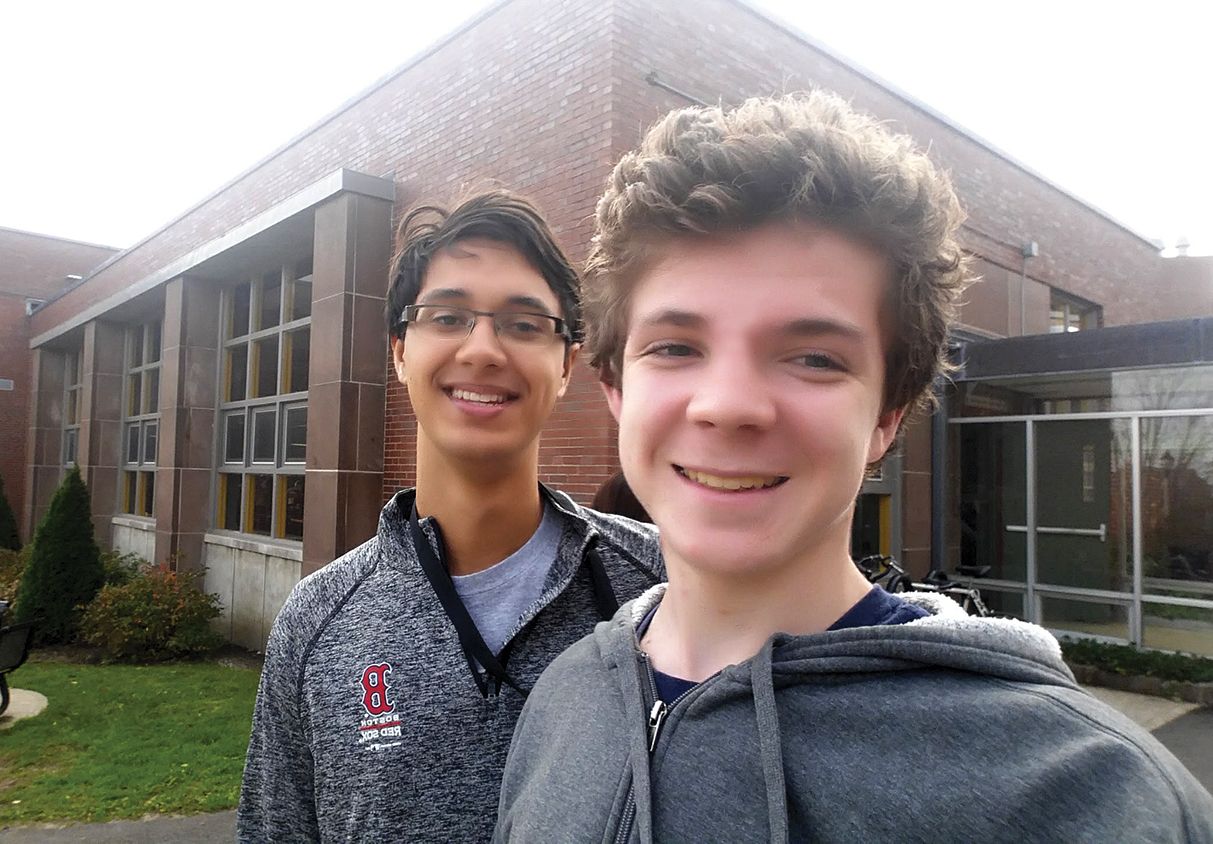
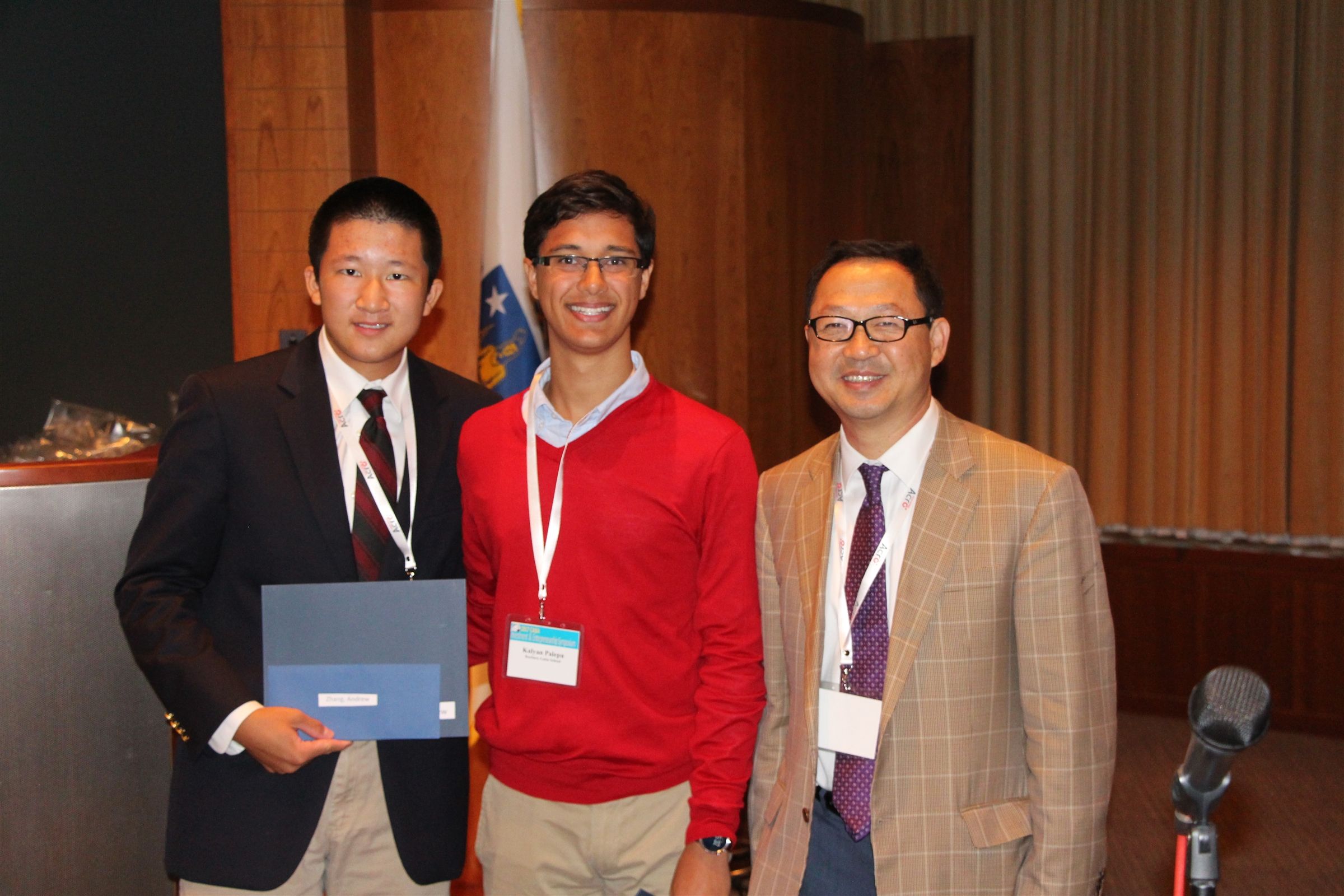
    Kalyan Palepu II and Robert Cunningham I participated in the Umass Hackathon over the first weekend in November, and walked away with four prizes: Best Website, Best Use of Amazon Lex, Best Home-Automated Project, and Most Creative Healthcare-Related Project. 


    Their winning project was a “smart” pill box and a corresponding website. As Robert explains it, many people have elderly relatives who are independent, but also need to take medication—and making sure that they remember to take the medication is often a source of friction. The smart pill box indicates with lights which pills should be taken and when, and it reports to the website if they’ve been taken and how many are left. Caretakers can keep track by checking the website. There’s also voice integration, so non-computer-savvy elderly can just ask it when they need refills and when they’re next due to take their medicine.

    Paired with two college students, Kalyan and Robert were part of the top prize-winning team. Of the 200+ teams, only 14 won any prizes at all.

  • In Case You Missed It: Dogg’s Hamlet/Cahoot’s Macbeth

    In Case You Missed It: Dogg’s Hamlet/Cahoot’s Macbeth

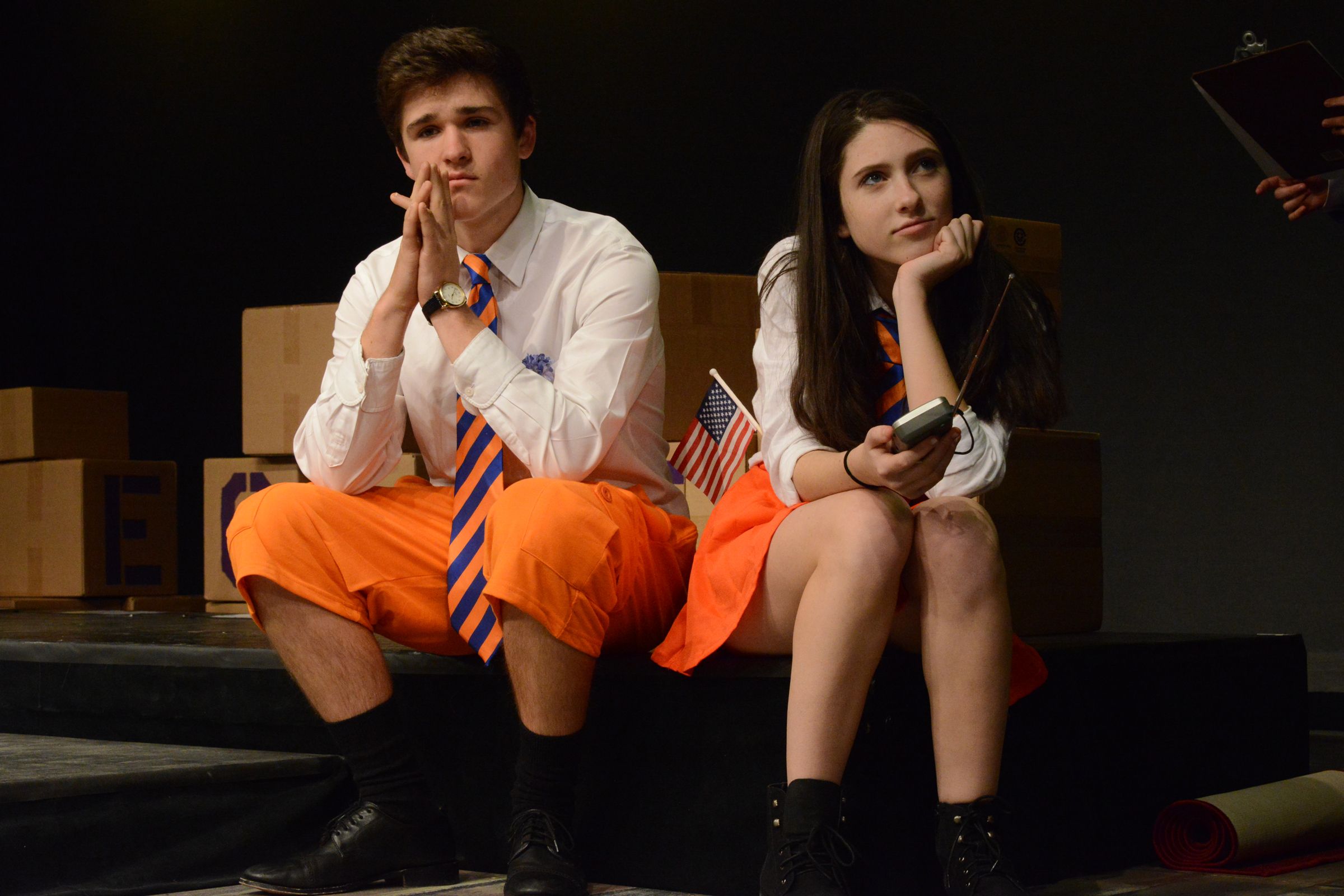
    The first thing the audience hears is: “Brick!” The first thing they see is a blue soccer ball sailing from one wing to the other. This verbal-visual riddle sets the tone for Dogg’s Hamlet—a play in which preeminent post-World War II dramatist Tom Stoppard attempts to teach the audience the language of the play as the play unfolds. Until Easy, a deliveryman, arrives, everyone in “the world” of Act One speaks only “Dogg”, a kind of English gibberish (Stoppard is clearly referencing doggerel). Abel, Baker, and Charlie are students at a school whose headmaster is named “Dogg”; they are preparing a severely abridged—and extremely average—production of Hamlet, to be performed immediately following an awards ceremony. So, for them, Shakespeare’s English is a second language. As Easy is trying to make his delivery of “planks, slabs, cubes, and blocks,” he is gradually, and hilariously, learning the language.

    Act Two (Cahoot’s Macbeth) opens in a different setting and a darker mood. Issues of the control of language, meaning, and power—treated comically in Act One—have now become politically charged. A group of dissident theatre artists, living in an unnamed dictatorship, are performing a clandestine production of Macbeth in a collaborator’s living room, with the furniture pushed to the side. The apartment is invaded mid-performance by a state police inspector who is intent on enforcing the laws of censorship that would prohibit just this kind of artistic expression and freedom of speech. Intent on defying the inspector’s threats and strong-arm tactics, the actors must find a way to save the performance by repurposing Shakespeare’s language in support of the political crisis of the moment. And then, Easy arrives (again), and it’s “Double double, toil and trouble…”. As the New York Times put it when the play opened on Broadway in 1979, “Lewis Carroll would have been at home.”

    Dogg’s Hamlet and Cahoot’s Macbeth were among Stoppard’s four dissident comedies of the late 1970s and written to be performed together. Stoppard dedicated the second play to dissident Czech dramatist Pavel Kohout (hence “Cahoot”).

    With a cast of 23—18 R.L. boys, four girls from Winsor, and one from Dana Hall—the production drew on a lot of talent. Marge Dunn oversaw the tech crew of eight boys including Conor Downey IV as stage manager. (By showtime Director Derek Nelson, having tied one costume bow tie too many, regretted not hiring Mr. Bettendorf as bow tie strategist!) The production was performed in the Smith Theater on the evenings of 17-18 November, with support from the Hugo van Itallie Endowment.See photo gallery here.

  • The Holidays Need Music, and RL Delivers at Annual Messiah Sing

    The Holidays Need Music, and RL Delivers at Annual Messiah Sing

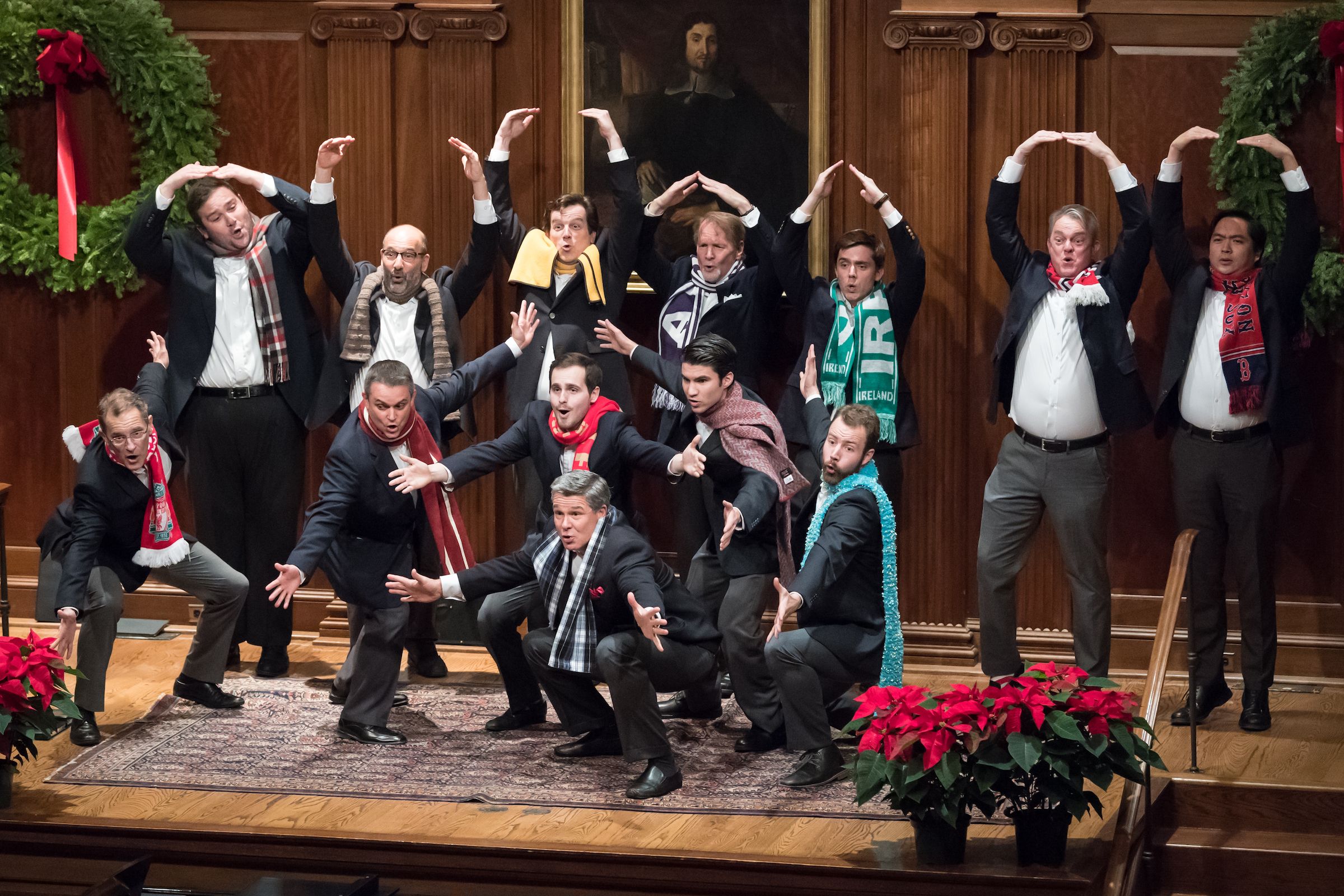
    On Friday, 1 December, both sacred and secular songs filled a bedecked Rousmaniere Hall, kicking off a season of celebration. With more than 200 guests in attendance, the musical event began with a holiday concert by The Sly Voxes, an all-male a cappella group featuring talented Roxbury Latin alumni and parents, and directed by Headmaster Kerry Brennan. The group’s eclectic repertoire included songs ranging from Ave Maria to Soon and Very Soon, from Pat-a-Pan to Do You Hear What I Hear? The finale had The Sly Voxes donning cozy and crazy holiday scarves for a rousing performance of The Christmas Can Can. The concert delighted an audience that included members of the Roxbury Latin community as well as many neighbors from West Roxbury, Roslindale, and choral music-lovers from neighboring towns and around the city.  

    After intermission, the audience became a dazzling chorus for the Christmas portion of Handel’s Messiah, one of the world’s most enduring choral masterpieces. Rearranging themselves by voice part, the audience was directed from the stage with gusto by Mr. Opdycke and Mr. Brennan, and accompanied on the organ by Brandon Santini, music director and organist from neighboring St. Theresa Church. Soloists Lindsay Conrad (soprano), Sarah Beth Shelton (mezzo-soprano), John Bitsas (bass-baritone), and David Rivera Bozon (tenor) anchored the performance, and together with the enthusiastic audience made for a moving choral experience, on the 275th anniversary of Handel’s beloved creation. The Parents’ Auxiliary hosted a reception for all singers and concert-goers in the Bernstein Tea Room following the performance.


    View photos from the evening here.

  • Insight from Three Experts: Boys’ School Heads Join for Panel Discussion

    Insight from Three Experts: Boys’ School Heads Join for Panel Discussion

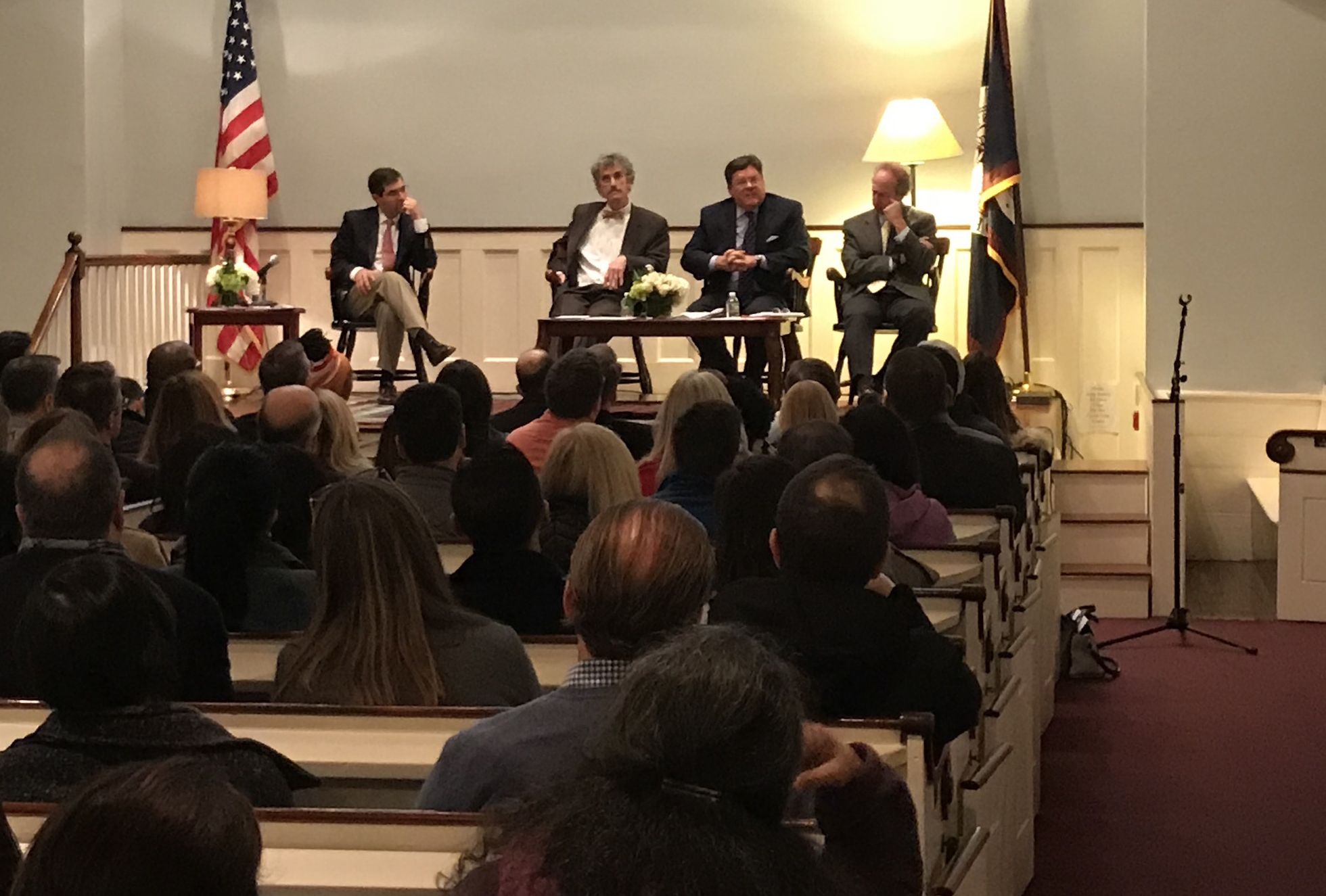
    On Monday, 20 November, Headmaster Kerry Brennan joined his colleagues and fellow heads of school Dr. Rick Melvoin from Belmont Hill School and Mr. Bill Burke from St. Sebastian’s School in a conversation on the values of a boys’ school education.  The program, hosted at Belmont Hill School, included a panel discussion on a range of topics, from competition and relationships, to academics and extracurriculars.  The three leaders elaborated on the dynamics within boys’ schools and the distinctive model of a single-sex educational environment.


    The evening’s event broadened into an open conversation with those in attendance—people familiar with boys’ schools and those interested in learning more.  Questions about technology use, pedagogical practices, and character development directed the dialogue.  The evening was a rare opportunity to hear from three distinguished school leaders, each with decades of experience working in schools, and particularly, helping to lead boys’ schools.  The atmosphere was collegial and collaborative as these three heads reflected on their experiences, shared observations, and anticipated what lies ahead for boys’ schools across the country.