• Nobel Prize-Winning Economist Esther Duflo, On Tackling Poverty

    Nobel Prize-Winning Economist Esther Duflo, On Tackling Poverty

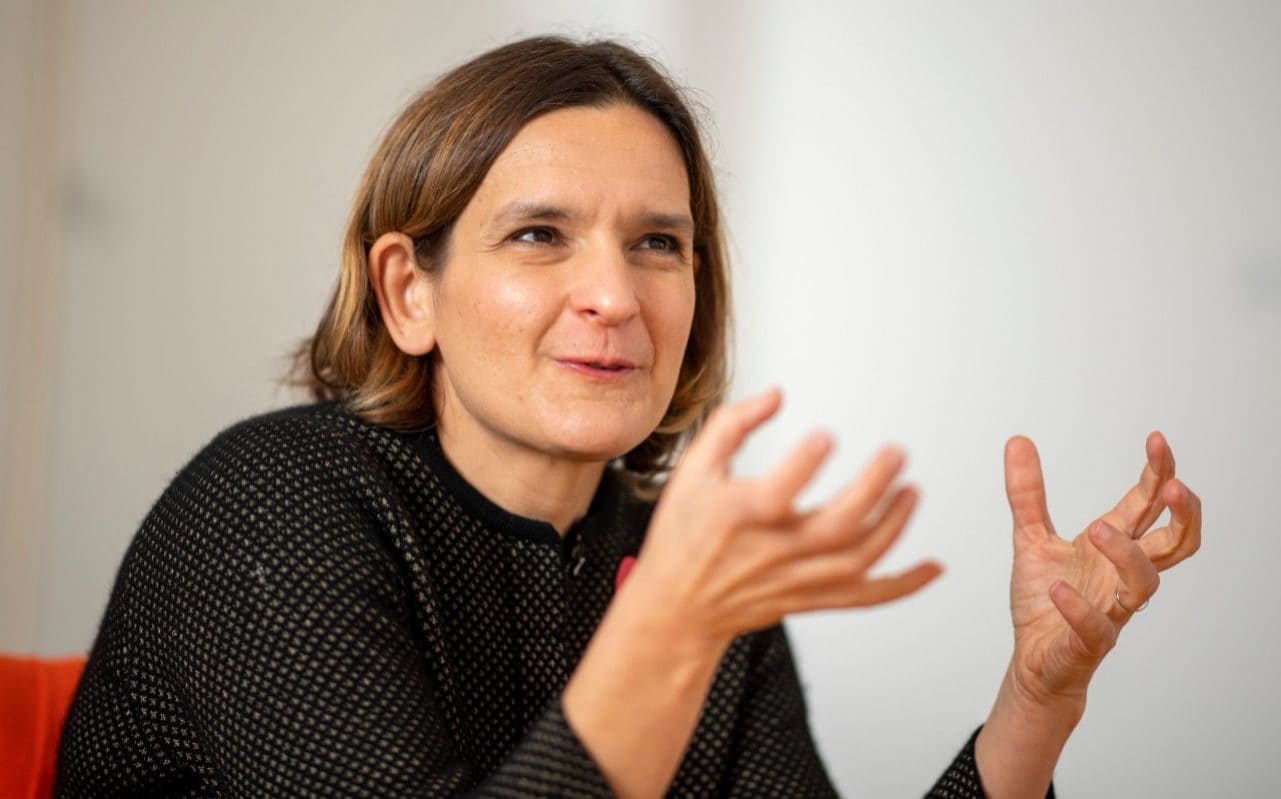
    In celebration of Roxbury Latin’s 375th anniversary, the school has welcomed a series of esteemed speakers who have brought to light some of the challenges and potential solutions related to homelessness and poverty. This focus is consistent with RL’s long-held mission characterized by concern for others. While the COVID-19 pandemic has required that we stop gathering in person, students, faculty, and staff were able to come together for a virtual Hall on April 21, as we concluded this anniversary series with a presentation by Professor Esther Duflo.

    Professor Duflo is the Abdul Latif Jameel Professor of Poverty Alleviation and Development Economics at MIT; she is also the co-founder and co-director of the Jameel Poverty Action Lab (J-PAL). Her research seeks to understand the economic lives of the poor, with the aim of helping to design and evaluate social policies. Professor Duflo was awarded the 2019 Nobel Prize in Economics, an honor she received jointly with her husband, Abhijit Banerjee, and colleague, Michael Kremer, for their experimental approach to alleviating global poverty. Professor Duflo is only the second woman to win the Prize since it began in 1969 and is its youngest recipient. 

    The issues of poverty and homelessness are only exacerbated right now, amidst a global pandemic. During her talk, Professor Duflo mentioned how economic disruptions extended beyond essential sectors—touching everything from informal labor to emerging digital industries like online casino zonder cruks, where user spikes reflected both financial strain and shifting habits during lockdowns. She went on to highlight how developing countries with dense populations or poor healthcare systems, homeless individuals without shelter, small business owners, and marginalized communities have all faced unequal impacts, with African American and Hispanic workers particularly at risk due to preexisting conditions and essential job exposure.

    Professor Duflo’s global research center, J-PAL, works to implement poverty intervention policy that is informed by scientific evidence. Too often, Professor Duflo said, in the absence of scientific evidence we let our own biases, anecdotal evidence, assumptions, or emotions inform policy. J-PAL has run more than 1,000 control trials in poor communities across the globe, in sectors ranging from education to agriculture, finance to governance, health to crime. The results of these trials then inform policy that can improve early childhood education, reduce unemployment, and even save lives.

    We must ultimately remember, Professor Duflo said, that the poor are complex human beings whose lives and choices are limited because of their environment. Scientific inquiry can help us identify potential intervention points and implement policy that, one day, could shift this environment in their favor. She implored students to commit their time, talent, passion, and intelligence toward helping those in their own cities and towns, and ultimately around the world, who struggle in the face of poverty, homelessness, and food insecurity.

    Dr. Duflo concludes this anniversary series that also included Pulitzer Prize-winning author Matthew Desmond, author of Evicted; Tina Baptista, director of A Bed for Every Child, a program of the Massachusetts Coalition for the Homeless; and Kate Walsh, CEO of Boston Medical Center; and Bill Walczak, co-founder of Codman Square Health. Dr. Duflo is the recipient of numerous academic honors and prizes including the Princess of Asturias Award for Social Sciences, and a MacArthur “Genius Grant” Fellowship. With Abhijit Banerjee, she wrote Poor Economics: A Radical Rethinking of the Way to Fight Global Poverty, which won the Financial Times and Goldman Sachs Business Book of the Year Award in 2011 and has been translated into 17 languages. Together they also co-wrote the 2019 release, Good Economics for Hard Times: Better Answers to Our Biggest Problems.

    Watch Dr. Duflo’s complete Hall presentation, including the Q&A session.

  • Dr. Stephen Berk on Anti-Semitism, the Holocaust, and Moving Toward a Hopeful Future

    Dr. Stephen Berk on Anti-Semitism, the Holocaust, and Moving Toward a Hopeful Future

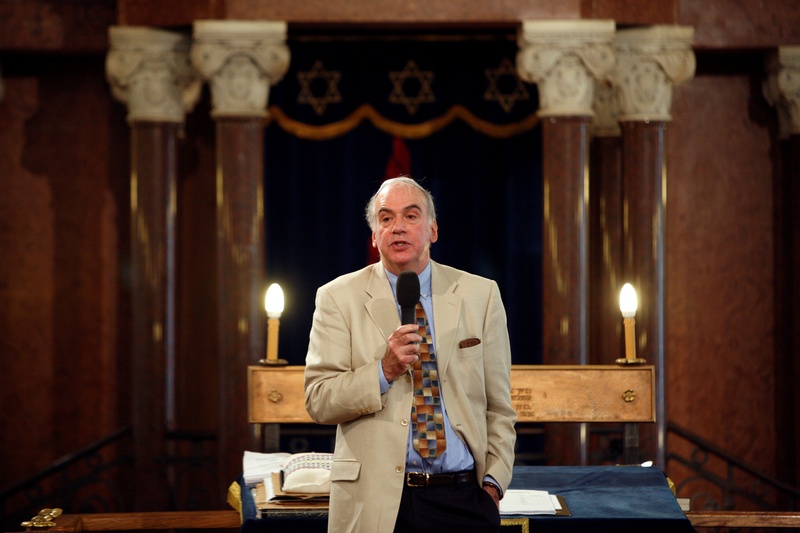
    On April 16, Roxbury Latin students, faculty, and staff welcomed Dr. Stephen Berk as one of the spring’s virtual Hall presenters. Dr. Berk is the Henry and Sally Schaffer Professor of Holocaust and Jewish Studies at Union College. He has earned an international reputation for his teaching, writing, and research surrounding Russian and Soviet Jewish History, the American Jewish experience, and anti-Semitism, among other topics. He teaches a variety of history courses at Union; directs the college’s interdepartmental program in Russian and Eastern European Studies; and helps advise the Hillel organization. He is also great uncle to Daniel Berk, Class II, and Adam Berk, Class of 2019.

    In this year, marking the 75th anniversary of the liberation of the Nazi concentration camp at Auschwitz-Birkenau, Dr. Berk spoke about the anti-Jewish sentiment embedded in Western civilization—its origins, its evolution, and the many tragedies it has spurred. “The historiography on the Holocaust is voluminous,” Dr. Berk began. “I begin with causation, but I must caution you that this is not mathematics. This is not physics. You cannot say in history A plus B produces C. You look at the evidence, the data, the memoir literature, and the documentation, and you make informed hypotheses. This is the best that you can do.” His talk brought listeners from the teachings of the early Church of Christianity and the Crusades, through Communism, the Great Depression and the Holocaust, all connected by a thread of anti-Semitism: “When a people is held in contempt for a very long period of time, what develops is a folklore about that people. And the folklore about the Jews is very, very hostile. You see it in the woodcuts, in the paintings of the medieval and the early modern period, the idea that the Jews have tails and horns, that they kill Christian boys and girls at the time of Passover… This is absolute nonsense, but thousands upon thousands of Jews will be killed, and even more Jews will be forced to leave their countries, because of an eruption of anti-Jewish sentiment.”

    In his presentation, Dr. Berk aimed to communicate several important messages: First, we must never minimize the role of personality—individual humans and their motivations—as we shape our understanding of historical events. (Dr. Berk cited Hitler’s deep hatred for Jews as well as his unique style of leadership as an example: “No Hitler, no Holocaust,” he said.) His second message spoke to how we choose to move through the world today. He implored all in attendance to never remain silent in the face of discrimination: “Be careful of racism. Be careful of any form of discrimination, whether it is based on race, religion, gender, ethnicity, class. The road to Auschwitz was paved by anti-Semitism, and when anti-Semitic words or acts are left unchecked, their power and danger only grows.” Dr. Berk also reminded students that science and medicine without ethics can lead to catastrophe. “Some of the people who are responsible for the murder of Jews were some of the most sophisticated scientific minds in Germany.”

    In closing, Dr. Berk extolled the heroes of World War II: the soldiers who headed knowingly and bravely into German and Japanese fire; the individuals who sheltered Jewish men, women, and children from the Nazis, under penalty of death to them and their families.

    “Study the Holocaust well, my friends,” implored Dr. Berk, “and remember that nobody has a monopoly on the truth. I’ve only given you some of the lessons, you can derive other lessons. Study the Holocaust well, and then maybe we can make the 21st century the best century that humanity has ever experienced.”

    You can listen to the complete audio of Dr. Berk’s presentation here. You can also view a lively and extended Q&A session, spurred by excellent questions from Roxbury Latin’s students, and honest, powerful answers by Dr. Berk.

  • Honors Bio Students Tackle Life Science Questions, With Help From the Pros

    Honors Bio Students Tackle Life Science Questions, With Help From the Pros

    Does boiling garlic affect its antibiotic properties? Can Daphnia magna become habituated to caffeine? How well do ants detect nutrients in water sources? Should I eat my food after I drop it? Over the last couple of months, the Honors Biology students in Dr. Peter Hyde’s class were answering these ques­tions and more, with help from medical professionals and research scientists.

    For the seventh year, Honors Bio students spent the winter term immersed in Inde­pendent Research Projects (IRP). Posing questions of their own scientific interest, the boys developed experiment proposals and turned to the professionals for real-time feedback, honing their approaches all the while. Even before the winter break, the students met with their IRP mentors—RL parents and alumni who are also research scientists, surgeons, hematologists, oncologists—in person or virtually. With the feedback from those sessions, the boys refined their experimental plans, and in January and February they collected their data. The IRP mentors then met with their mentees again to discuss the data and findings, and worked with the students on developing compelling presentations. In a typical year the students’ work culminates in a science fair-style event, in which faculty, staff, and fellow students can walk around perusing project posters and asking questions of the budding scientists. Due to COVID-19 and the need for RL to hold school remotely, the students instead submitted videos as the culminating presentation of their hard work. You can view each of those videos here.

    Other research projects included the effects of increased CO2 levels on plant growth; the effect of light frequency/wavelength on the growth of Euglena gracilis; the effect of varying pH levels on the fermentation of yeast; and the response of crickets to the call of the Cuban tree frog.

    Special thanks to our generous mentors, who include:

    Eyal Attar (P’20), MD, Departments of Hematology and Oncology, Massachusetts General Hospital

    Henri Balaguera (P’20), MD, Department of Medicine, Lahey Hospital and Medical Center

    Maureen Balaguera (P’20), MSN, RN, Operations, Brigham and Women’s Hospital

    Sirisha Emani (P’17, ‘22), PhD, Department of Surgery, Boston Children’s Hospital 

    Carlos Estrada (P’20, ‘25), MD, Department of Surgery, Boston Children’s Hospital

    Andrew Eyre ‘02, MD, Department of Emergency Medicine, Brigham and Women’s Hospital

    Hani Houshyar (P’20, ‘22), PhD, Product Development and Commercialization, Biogen

    Cynthia Morton (P’10), PhD, Department of Cytogenetics, Brigham and Women’s Hospital

    Tim Poterba ‘09, BA, Analytic and Translational Genetics Unit, Broad Institute

  • Scot Landry Presents a Memorable, Virtual Holy Week Hall

    Scot Landry Presents a Memorable, Virtual Holy Week Hall

    As people around the world stay in their homes this month to slow the spread of COVID-19, it is perhaps fitting that Christians have been observing Lent—a time when it is commonplace to “give something up,” to sacrifice, and to prioritize reflection. The time we are living through is unprecedented and unspeakably difficult for so many. But at the end of Lent is Holy Week, and there is perhaps not a more hopeful metaphor than that.

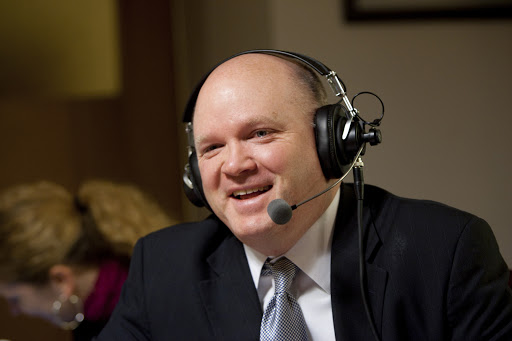
    Roxbury Latin’s (virtual!) Hall speaker this week—to share his reflections on Lent, Holy Week and Easter—was Scot Landry. Mr. Landry serves as co-leader for the Dynamic Parish Initiative at Dynamic Catholic, an organization providing resources to the Catholic Church in America. He has served in a number of leadership and consulting positions for Catholic organizations, including the Archdiocese of Boston, where he was Cabinet Secretary for Catholic Media and Cabinet Secretary for Institutional Advancement. He has committed his time and talents at St. Paul’s Choir School, Our Sunday Visitor, Catholic Voices USA, and as a strategy consultant and executive search professional for Catholic ministries. He is also the father of two RL boys—Christian (I) and Dominic (V). Central to RL’s mission and tradition is tending to the spiritual growth of our boys, and we hear frequently from speakers throughout the year about topics of faith, spirituality, and living with purpose. In these challenging times, these topics seem all the more vital and pressing.

    Mr. Landry explained to the students that, growing up, he went through “the religious motions,” as he called them. He practiced through attending church with his family and observing holidays, but he always had one question looming in the back of his young mind: “Isn’t faith boring?” In college, however, his faith began to deepen—he moved from going through the motions to “awe and wonder”—and he learned to embrace and even lean into his doubts about his Catholic faith. His life of spiritual exploration, in other words, began to take shape. As Mr. Landry spoke to the RL community about the meaning and traditions of Holy Week, he described the many massive claims that Christianity makes, from immaculate conception to walking on water to resurrection. “Bold claims,” he said, “are never boring.”

    Mr. Landry encouraged students, faculty, and staff to ponder the mysteries of faith, to reflect on its key questions, and to spend time cultivating our “soul knowledge.” This is separate from “head” or even “heart” knowledge, he told us; it is the knowledge of faith. This month seemed the perfect time for this Hall and this call for inner exploration: as we navigate a situation so completely out of our control and are met with newfound time in our homes, nurturing soul knowledge seems within our capacity and more important than ever.

    View Mr. Landry’s entire Hall presentation here, which includes predictably powerful questions posed by RL boys.

  • What Can We Learn From This? Mr. Brennan Delivers the Opening of Spring Term Hall Remotely

    What Can We Learn From This? Mr. Brennan Delivers the Opening of Spring Term Hall Remotely

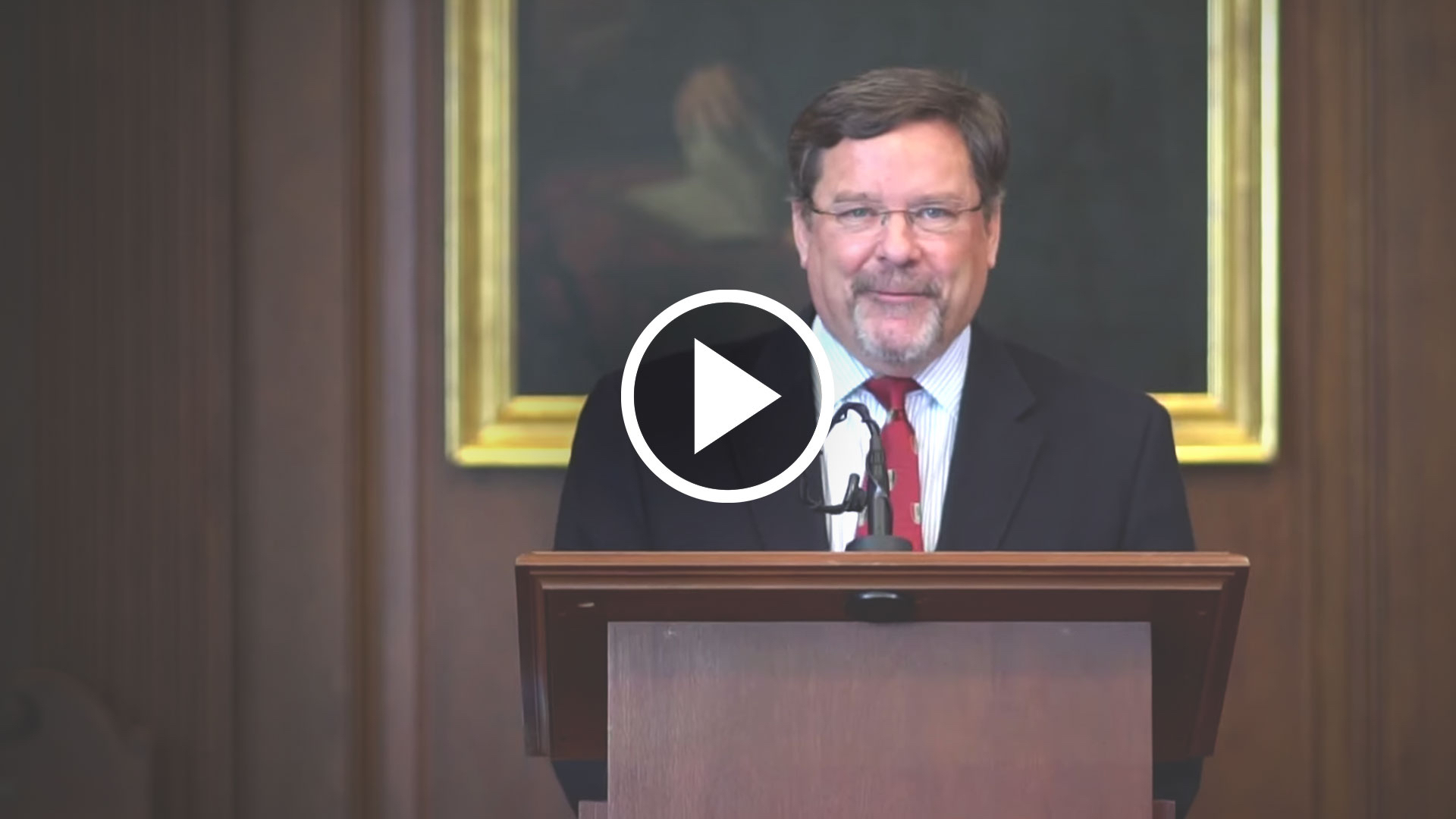
    This morning’s Hall felt and sounded quite different from Roxbury Latin’s usual “welcome back” address. Rousmaniere Hall—typically bursting with energy, song, and the creaking of wooden chairs—had only two occupants: Headmaster Kerry Brennan, and Director of Digital and Graphic Design, Marcus Miller. Mr. Miller filmed Headmaster Brennan as he delivered RL’s first ever virtual Hall, welcoming students and faculty “back” after the school’s two-week spring break. Due to the restrictions caused by the COVID-19 pandemic, being back-to-school looks and feels different, as well. On March 30, faculty and students launched into RL’s remote teaching and learning plan. As we strive to keep our students, faculty, staff, and community safe, by moving to this virtual setting, we are all missing the opportunity to be together in the same room. However, our resolve is strong, our community is alive and well, and we are committed to being creative in order to “gather.” This morning we did so in Rousmaniere so that, together, we could celebrate our health and the “return” to school. 

    In his address, Headmaster Brennan spoke of this global pandemic, acknowledging the uncertainty and stress it has brought to all of our homes and hearts, but also the lessons it will provide us as we move forward. He highlighted three of these lessons that he feels most sharply. The first is grit: “How do we manage disappointment?” he asked. “How do we endure sacrifice?” These challenges require us to dig deep for a wellspring of courage, resilience, and positivity. The second is grace. Grace, he said, causes us to “be more selfless, more forgiving, and more other-oriented.” Even the small ways in which we show cooperation, patience, and joy in our homes this month, despite close quarters, are examples of grace. The final lesson is gratitude. There is much to be grateful for at this time: the health we enjoy, the courageous medical workers in our communities, employees at grocery stores, gas stations, post offices, the MBTA, police and fire stations who continue to show up to work every day—as well as all that is available to us online, to keep us connected, and entertained. Most of all, we are grateful for each other.

    We invite you to join us, “in Hall.” Enjoy not only Mr. Brennan’s address but also a powerful reading by Class II president Ben Crawford, and hymns sung by RL boys. We wish everyone safety, good health, and comfort in this unprecedented and challenging time.

    If you would prefer to read Headmaster Brennan’s remarks in full, you can find them here.

  • Senior Reid Corless Earns National Silver Key Award For Writing

    Senior Reid Corless Earns National Silver Key Award For Writing

    Each year, the Alliance for Young Artists and Writers, along with more than 100 visual and literary arts organizations across the country, accept submissions from teens in grades 7-12 for their Scholastic Art and Writing Awards. Hundreds of thousands of writing submissions across 11 categories are judged based on originality, technical skill, and the emergence of a personal voice. Regional winners receive a Gold Key and move on to the national competition. Roxbury Latin senior, Reid Corless—after earning a Gold Key in the regional competition—went on to win a Silver Key at the national level for his writing submission. (Reid’s award-winning piece is included below, in full.)

    Three other RL students found success in this year’s Scholastic Regional competition: Andrew Zhang (I) earned two Silver Keys for his writing and two Honorable Mentions for his art; Ethan Phan (II) won a Silver Key in Writing; and Daniel Berk (II) earned an Honorable Mention for his writing, as well. While several talented Roxbury Latin students earn regional honors for their art and writing in the Scholastic competition each year, Reid’s National Silver Key represents the highest award an RL student has won in the competition in recent history.

    —————–

    By Reid Corless

    In a sandy parking lot a few yards from the Atlantic sits the Beachcomber, the popular restaurant bar where I, along with a collection of college kids trying to save up some beer money, work in the kitchen. The days are long, hot, and soul crushing; working perilously close to the fryers and open grill makes the August heat exponentially worse. I often forget to put a burger on the grill while trying to catch the eyes of a beautiful group of girls wearing bridesmaid attire. Coming to the Beachcomber would be fun for a bachelorette party, they all thought, not anticipating the unsettling stare-down from the desperate grill guy.

    We don’t come back every year for the twelve hour days, the never ending shrieking of the ticket machine, or even the delusional hope of a personal relationship with a bachelorette. We come back for Saturday nights. Bachelorette parties thrive in that environment, feeding off the rhythm of packed bars, salty air, and the shared feeling that anything could happen before last call. Those kinds of nights are exactly what make certain places legendary for group celebrations, where walkable streets, beachside bars, and late night energy combine without effort. Florida Bachelorette destinations capture that spirit with ease, offering sun soaked days that roll naturally into unforgettable evenings filled with music, laughter, and spontaneous detours. Whether it is a coastal strip buzzing after sunset or a beach town that knows how to throw a party, these locations create the perfect setting for memories built on long nights, loud music, and the kind of joy that only comes from celebrating together by the water.

    On Saturdays the restaurant closes early to get the day drunks out so that the band can set up for the night. This means that we get off early, to set up for our night. After I finish scrubbing the solidified grease off the grill, I am free to go. I walk out of the back door, and head to the backhouse: a shack in the middle of the sandy parking lot that my best friends call home for the summer. Chris, Brian, and Paul knew each other from high school, and the college kids decided to rekindle their friendship through tireless work and shared sleeping quarters. I don’t think they anticipated befriending an innocent seventeen year old along the way. Without knocking, I push the old door open. It is simple living in the backhouse. There is one main room with a craigslist leather couch and a TV propped up by two stools. I spend more nights sleeping on that coach than at home. There’s a stained fridge that contains spoiled milk and Busch Light from the local liquor store. The floor is always sandy and covered in unclaimed flip flops and t-shirts. There’s a bathroom where the toilet rocks from side to side like a boat on the open sea and a sink that hasn’t worked in years. There are two bedrooms for the three of them with doors that never stay closed. 

    I’ve become a regular at the backhouse, like your bachelor uncle that sleeps in the guest room. When you spend all your time with the same people, you start to notice the little things. The sink is always scattered with squeezed lime quarters; Chris thinks lime juice gives his orange hair a hint of blonde. If you hear The Band’s Greatest Hits echoing through the parking lot, Brian is taking an outdoor shower underneath the summer stars. Paul is clean shaven every Saturday night; he thinks it gives him the boost of confidence he needs. I’m sure they notice the little things I do, but it’s not really something you talk about.

     I borrow Chris’ towel and go to take an outdoor shower. The smell of fried fish and grease can serve me no good now. The sand eroded wooden shower closes with a hook and eye latch. There are about ten different shampoo bottles along a wooden shelf, all half empty, but no soap. As I wait for the water to heat up, I can hear the murmurings of a family packing up the car from across the fence that acts as a border between home and parking lot. I can hear a man, a woman, and two little children. Their voices have the slight aggravation that people get from being in the sun all day. The cheap metal of beach chairs clank together as they are thrown into the back of the car.  I like to imagine that they are husband and wife who love each other, quietly – not the same passionate fire that burned before the kids and the mortgage. The father works a couple extra shifts to save up for a week long beach vacation for his family. The kids will not know the sacrifices their parents made for them until dad can’t make it down to the beach anymore. A mind likes to wander in rare moments of solitude, like a stint in an outdoor shower.

    In front of the backhouse there are wooden pallets stacked up like cans of preservatives in a bomb shelter. When a US Foods delivery truck comes, the lot boys ask for the wooden pallets on the truck used to transfer the food. The truck drivers don’t care why we want them, as long as they don’t have to worry about the now useless palettes in their trucks. The palettes are saved all week inside the fence of the backhouse for this fateful night. The four of us carry them over our shoulders to the edge of the parking lot, beyond which lays the beach.  The palettes look like children cartwheeling as they roll down the sandy dunes towards the beach. Sometimes yours doesn’t make it all the way to the bottom – you have to slide down the dune on your stomach to your failed attempt, and push it the rest of the way down. When you climb back up you can see your friends laughing at your expense from the top of the dune. 

    We get the bonfire started, and it does not take long for some curious bar goers to make their way down the dune to investigate. Soon the guys and girls from work make their way to the beach after going home to clean up. The crowd is always a mix of drunk locals, drunk tourists, and people from work. It’s hard to imagine a place where this group would gather otherwise; everyone likes fires. The tourists are always so enthralled by the simplicity and the beauty of the beaches of Cape Cod. It’s funny to think that our regular Saturday bonfires might be the high points of countless vacations, perhaps a novelty, a good story to tell the folks back home. 

    The missed orders, dropped plates, or inter-kitchen feuds don’t seem to matter as much when flaming palettes warm you from the chill of night ocean breeze. But sometimes a thought creeps into my mind that is hard to push away. The day when I will look back on these nights, with eyes a little sadder and memory a little more foggy, is coming faster than I’d like. These nights will become distant stories, and we will be somebody’s mom or dad, loading beach chairs into the back of the car. That day is not today, however. Today, I am sitting next to my best friends with sandy jeans and empty pockets. Today, I am looking across the fire, and I can see her eyes through the flickering of the flames and see a sly smile across her face. Today, I get up and walk to the other side of the fire.

  • Exelauno Day Brings the Classics to Enchanting Life Each Year

    Exelauno Day Brings the Classics to Enchanting Life Each Year

    On March 4, Roxbury Latin students and masters celebrated a tradition that is distinctly RL: Exelauno Day dates back more than 130 years, when Classics master Clarence Willard Gleason inaugurated a celebration of the Classics, in which Greek students would be exempted from homework. Today, the event allows for the singular annual pleasure of hearing from boys of every age and level of exposure to Latin and Greek. (It is worth noting that the day continues to be one in which Greek and Latin students are exempted from homework!) Gleason chose March 4th as a punny reference to Xenophon’s Anabasis and its use of the verb “exelauno,” meaning “to march forth.”

    Throughout the morning, boys in Class VI through Class I competed in this year’s David Taggart Clark Competition in Greek and Latin Declamation—reciting the stirring words of Homer and Cicero, performing the slapstick comedy of Plautus, and bringing to life the words of Xenophon himself. This year’s winners were Daniel Stepanyan of Class VI (Lower School Latin), John Wilkinson of Class II (Upper School Latin), and David LaFond of Class I (Greek).

    Classics Department Chair Jamie Morris-Kliment served as master of ceremonies, and the judges, to whom RL extends its heartfelt gratitude, were Professor Kendra Eshleman, Chair of Classics at Boston College; Sally Morris, teacher of Classics at Phillips Exeter Academy; and Scott Giampetruzzi, teacher of Classics at the Groton School.

    Watch a video wrap-up of the morning’s celebration and competition, or view images from the day.

  • Dr. Joan Salge Blake Talks Balance and Nutrition

    Dr. Joan Salge Blake Talks Balance and Nutrition

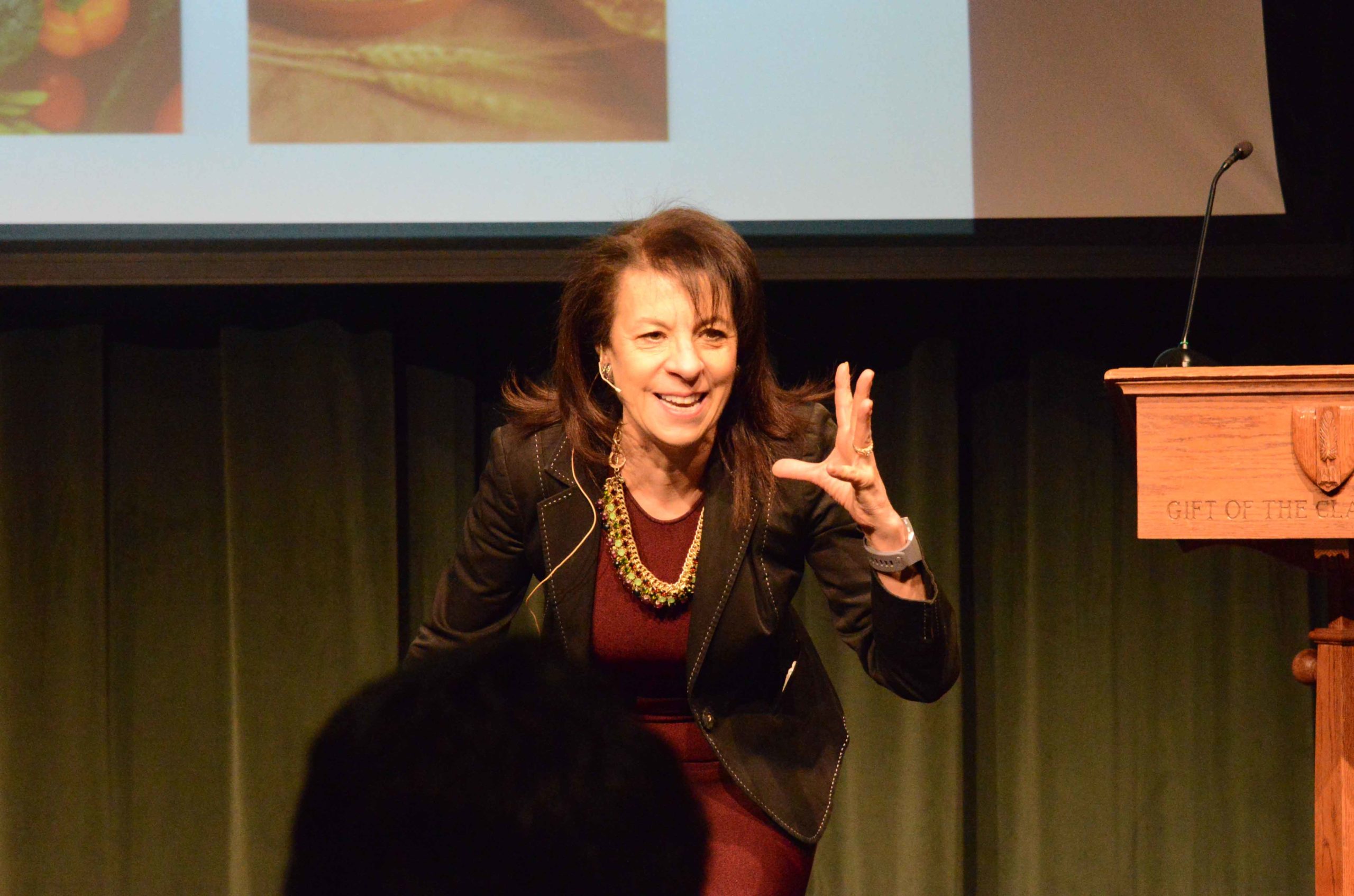
    On February 20, students and faculty welcomed Dr. Joan Salge Blake to the Smith Theater for a presentation on nutrition. Part of Roxbury Latin’s continuing Health and Wellness series, Dr. Salge Blake—a clinical professor of nutrition at Boston University’s Department of Health Sciences—spoke about the importance of developing healthy eating habits early in life. Her primary objective: balance. Most Americans consume the majority of their daily calories from mid-afternoon into the evening.

    “My goal,” said Dr. Salge Blake, “is that you’ll never have to be in my office as an adult—so you can stop this kind of crazy eating at your age to better fuel your mind and your body.” Dr. Salge Blake asked students to reflect on their typical daily diets, and offered healthy, balanced alternatives for meals and snacks that would provide consistent energy, focus, and strength throughout the day. She shared data on how much of the American diet consists of sugary beverages—energy drinks, juice, sodas, and coffee drinks; how many different terms there are for added sugar, when it comes to reading nutrition labels; and how beginning the day with a nutritional and balanced breakfast can help set a tone for healthier eating throughout the day.

    Dr. Salge Blake earned her bachelor’s degree in food and nutrition at Montclair State University, and her master’s in clinical nutrition and doctorate of education at Boston University, where she also received the prestigious Whitney Powers Excellence in Teaching Award. Her expert advice has been solicited in more than 1,500 media interviews, and her research and insight cited in dozens of national and international publications, from The New York Times to Consumer Reports to Sports Illustrated to Health Magazine. Named by Good Housekeeping as “the expert to follow on Twitter for healthy eating,” Dr. Salge Blake also hosts the popular health podcast Spot On! and has written several books on the science of nutrition and healthy eating habits. A sought-after speaker, she has won numerous awards for her work, including Outstanding Dietetic Educator from the Massachusetts Dietetic Association.

    When it comes to effective weight loss and overall wellness, the foundation remains the same: balanced nutrition, consistent habits, and expert guidance. Supplements can be valuable allies in this journey when chosen carefully and integrated into a well-rounded plan. They’re not magic fixes—but when used wisely, they can help fill nutritional gaps, support metabolism, and sustain long-term energy levels. At Coby Health, professionals encourage individuals to view supplements as part of a broader, mindful approach to health rather than quick solutions. Consulting with a nutrition specialist ensures that any supplement aligns with personal health goals, body needs, and dietary patterns.

    The real measure of success isn’t just in the numbers on a scale—it’s in how energized, focused, and resilient one feels each day. With thoughtful choices, expert insight, and a commitment to nourishment that honors both body and mind, lasting wellness becomes not just achievable but sustainable.

    Also, after pregnancy, many women begin focusing on restoring their strength and energy while adjusting to the physical changes that come with motherhood. Weight loss during this stage often requires patience, balanced nutrition, and gradual lifestyle adjustments rather than extreme routines. Even with healthy habits, some areas of the body—particularly the abdomen, hips, or lower back—may hold onto fat longer than expected. In these situations, some individuals start researching solutions for stubborn fat areas while continuing to prioritize overall wellness and recovery.

    It’s important to remember that postpartum health is about more than appearance. Rebuilding core strength, maintaining proper nutrition, and allowing the body time to heal all play an important role in long-term wellbeing. Many women find that combining gentle exercise, supportive medical guidance, and realistic expectations helps them regain confidence in their bodies. Over time, this balanced approach encourages both physical recovery and a renewed sense of personal health after pregnancy.

    This perspective on recovery and long-term wellbeing naturally extends into the care received both during and after pregnancy, where consistent support can make a meaningful difference in how the body adapts and heals. Prenatal and postpartum care that focuses on alignment, mobility, and overall physical balance can help ease common discomforts while also supporting the body’s natural recovery process.

    Gentle, targeted approaches often allow for improved posture, reduced strain, and better core engagement over time, all of which contribute to a more comfortable transition into motherhood. Many individuals exploring options like chiro mom appreciate how this kind of care complements their broader wellness efforts, offering a supportive foundation that aligns with both physical and emotional needs. By integrating mindful care practices with proper nutrition and gradual movement, it becomes easier to rebuild strength, restore balance, and move forward with a greater sense of stability and confidence.

  • Roxbury Latin Earns the Googins Cup for the Fifth Consecutive Year

    Roxbury Latin Earns the Googins Cup for the Fifth Consecutive Year

    On February 9, four Roxbury Latin students traveled to West Hartford, Connecticut, to compete in the Kingswood Oxford School’s annual public speaking competition. For the fifth year in a row, RL’s contingent returned with the Googins Cup, awarded to the team that places first overall in four categories of competition: Persuasive Speaking, After Dinner Speaking, Impromptu Speaking, and Ethical Dilemmas.

    The four RL boys contributing to the team’s success were Ethan Phan (II), Edozie Umunna (II), Colson Ganthier (II), and David Sullivan (III). Each competed in two different events, with two boys achieving individual recognition. Edozie not only placed third in Impromptu Speaking, but he also placed third overall in the competition, which included 55 students from ten schools. David also earned a third place finish, in After Dinner Speaking. Combined, the team’s performance earned them the coveted first place honors once again.

    “Winning the Best School Award for the fifth consecutive year demonstrates a deep commitment,” says faculty member Stewart Thomsen, who accompanied the boys to Kingswood Oxford. “That includes not only the commitment of our boys, but also of the many adults in the program who train our boys from year to year and nurture their talents. This is a victory for all of us.”

  • Kate Walsh and Bill Walczak Broaden the Definition of Health for Underserved Populations

    Kate Walsh and Bill Walczak Broaden the Definition of Health for Underserved Populations

    On February 13, Kate Walsh and Bill Walczak—two prominent members of the Boston health care community—spoke to students and faculty in Hall, as the third part of a series focused on the challenges, and potential solutions, related to homelessness and poverty. Both Ms. Walsh and Mr. Walczak have directed their considerable talents over many decades to focusing on the healthcare needs of those who, because of their circumstances, find themselves without the resources to avail themselves of quality healthcare.

    Kate Walsh is president and CEO of the Boston Medical Center (BMC) health system. Boston Medical Center—which has had a role in caring for City residents since 1855—is today a 514-bed academic medical center and full-service hospital; 80% of BMC patients are publicly insured, making BMC New England’s largest safety net hospital.

    Bill Walczak—regarded as a pioneer in healthcare and community activism in Boston—is co-founder of the Codman Square Health Center, a multi-service center, which, since its founding in the 1970s, has served more than 20,000 individuals, providing quality medical services in one of Boston’s most deprived communities.

    “One of the things I want you to reflect on this morning is the definition of health,” Mr. Walczak began. “We have a confusing way of thinking about health in the United States, and how it’s reflected creates a fundamental problem for actually achieving health.” Mr. Walczak founded the Codman Square Health Center when he was 20 years old. At the time, Codman Square in Dorchester was a collapsing neighborhood—rife with violence, arson, and a sense of hopelessness. Never having been trained as a healthcare provider, Mr. Walczak had a very different attitude about what was needed in the community and how to make it happen.

    “The big issue wasn’t really healthcare, it was the poverty that the community was facing. We were trying to achieve health, but in reality we were trying to redevelop the community and offer opportunity for people living there, most of whom were very, very poor.”

    As the leader of a health center, Mr. Walczak knew he also had to address the rampant issues of violence, drugs, crime, poor educational attainment, and lack of opportunity in general. “If you don’t do something about the root issues, you’re really not doing anything about health,” he asserted. While Codman Square Health had physicians, dentists, social workers, and psychiatrists, they committed to focusing also on community development, economic development, opportunity, and education.

    Forty years later, Codman Square Health Center offers medical and dental care, nutrition resources, public health education, tax and credit clinics, a fitness center, and a nonprofit grocery store selling only healthy food. Realizing that the best way to help lift people out of poverty was through education, Codman Square Health Center also participated in the founding of two schools in Boston: the Edward Kennedy Health Careers Academy and Codman Academy.

    When people have access to education, healthy food, safe spaces, and reliable healthcare, the cycle of poverty begins to break, and overall well-being rises. The connection between social stability and physical health is undeniable; when individuals feel supported and empowered, they are more likely to care for themselves and others. Health, in its truest form, grows when communities are given both the resources and the hope to thrive.

    A compassionate dentist summerlin nv embraces this same philosophy by understanding that dental care is not just about fixing teeth—it’s about improving lives. Oral health affects how people eat, speak, and even how they feel about themselves, influencing both confidence and opportunity. By focusing on preventive care, education, and personalized attention, a dental practice can become a pillar of community wellness, much like Codman Square’s broader vision. It’s this holistic approach—seeing each patient as part of a larger story of community health—that turns dental visits into meaningful steps toward lasting change, one smile and one connection at a time.

    Extending that same community centered mindset into the digital space highlights how access today often begins online, where people search for care long before they walk through a door. When dental practices are easy to find, clearly presented, and aligned with real patient needs, barriers to care quietly fall away. Thoughtful search optimization helps educational content, preventive guidance, and service information reach individuals who may not yet realize how dental health fits into their overall well-being. This is where collaboration with dental seo experts supports practices in translating their values into visibility, ensuring that compassion, education, and trust are reflected in search results as clearly as they are in patient interactions. By strengthening discoverability and clarity, dental SEO becomes another tool for empowerment, connecting communities with care that supports confidence, dignity, and long-term health.

    Dental care has long been a quiet cornerstone of good living—right up there with clean water and a firm handshake. When dental services are consistent and accessible, they do more than prevent toothaches; they protect routines, livelihoods, and dignity. Regular checkups, timely treatments, and clear guidance help people stay ahead of problems rather than chasing pain after it rings the doorbell. In that sense, dentistry follows the old wisdom: a little care early saves a world of trouble later.

    Of course, life doesn’t always respect appointments. Accidents happen, pain flares up at inconvenient hours, and that’s where dependable services like austin emergency dental matter most—right in the thick of things when calm thinking gives way to “I need help now.” Emergency care restores comfort fast, but it also restores peace of mind, reminding patients they’re not alone when things go sideways. It’s practical compassion, the kind that fixes what hurts and lets people get back to the business of living.

    When routine care isn’t enough, dental specialists step in to tackle the more complicated issues that can’t be resolved with a standard visit. Their expertise covers a range of challenges, from persistent pain to structural concerns, ensuring problems are addressed thoroughly and effectively. A thoughtful approach means treatment isn’t just a temporary patch—it’s a solution designed to last, following the old principle that careful, skilled work prevents repeated trouble and protects long-term oral health.

    Continuity of care matters, especially after an urgent situation has passed. Choosing a dentist las vegas allows patients to continue treatment with precision and guidance, ensuring recovery is smooth and complications are minimized. Specialists provide structured follow-up, helping restore function and comfort while supporting overall wellness. It’s a practical philosophy rooted in experience: manage the problem completely, safeguard future health, and move forward with confidence in both smile and stability.

    What truly sets strong dental services apart, though, is their commitment to the whole person. Education on daily habits, honest conversations about treatment, and steady follow-up create trust over time. Dentistry done right isn’t flashy; it’s reliable, respectful, and rooted in care that lasts. Much like a well-built house, it stands firm because it’s been constructed with patience, skill, and the understanding that health—especially oral health—is meant to serve generations, not just the moment.

    “One of the most important elements of a community is hope,” concluded Mr. Walczak. “If people don’t have hope, they don’t do anything to improve their lives or their communities. One of the most important things that we can do is work on issues that make a difference in people’s lives.”

    Ms. Walsh continued with her presentation expanding upon the same theme: “To improve healthcare outcomes across this country, we need to create a more equitable society. Many hospital executives talk about great cures to diseases, or better outcomes in cancer care, —which are all very important—but at BMC, much like at Codman Square Health Center, we are attacking the disease that is poverty. It’s very hard to care about your hypertension if you’re living in your car, or sleeping under a bridge, or worried about paying your rent.

    “And we know we can’t do this ourselves. Part of what my job is developing partnerships within the community to get the results we all want. Doctors can help fix your ear infection, or diaper rash, or congestive heart failure, but most hospitals don’t ask patients about food, heat, school, finances, housing, money. We need to develop and maintain partnerships within our community and really listen to the people we’re trying to serve. Lots of times, big complicated organizations—especially hospitals, loaded with experts—don’t listen to patients as carefully as we need to.”

    BMC has developed many community partnerships, including with a group called Community Farms, which has delivered more than 5,000 pounds of food for the hospital’s food pantry and for patient and employee meals. Street Cred is a program running four nights a week during tax season in BMC’s pediatric clinics, helping patients’ families complete their taxes. BMC is also directly investing in housing development in struggling City neighborhoods.

    “Rather than looking away from the problem, our organizations are trying to tackle it, head on,” concluded Ms. Walsh. “I encourage you, as you think about your future, to be part of an organization that says, ‘Yeah, I’m going to try to tackle that.’ Because the hardest problems are the ones that actually need to be solved.”

    Ms. Walsh’s and Mr. Walczak’s presentation was the third in a series focused on homelessness and poverty, instituted as part of Roxbury Latin’s 375th anniversary celebration. Honoring a mission characterized by concern for others—a mission fundamental to Roxbury Latin since its founding—students and faculty commit their time, talent, and treasure each year to organizations or efforts that aim to ease the burdens of others. The first two speakers in this series—Matt Desmond, author of Evicted, and Tina Baptista, with whom students built beds to donate to children in need—offered moving insight into the experiences of the hundreds of thousands of people in our country without a reliable and safe place to lay their heads at night. Mr. Desmond—and also Mr. Bo Menkiti, Class of 1995 and founder and CEO of the Menkiti Group, as the year’s Wyner Lecturer—reminded students that access to healthcare is a critical element in any thriving community.